South Korea's Won Goes 24/7: A Bold Global Market Move Amid Currency Wobbles
Context mode is active. Hover over any highlighted term to see its definition. Click a nested term to go deeper.
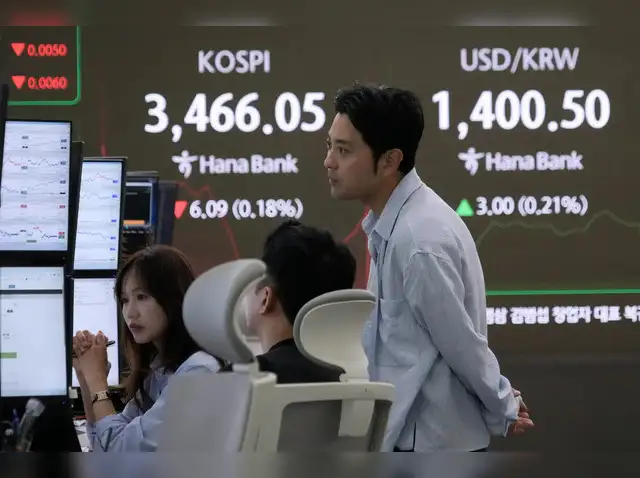
South Korea is opening its currency to the world around the clock, launching 24-hour trading of the Korean Won (KRW) against the US dollar from July 6, 2026. This major shift means trading will now run from 6 a.m. Monday to 6 a.m. Saturday, replacing old restricted hours that left the Won market closed while major global financial centers were still buzzing. The move is a big step to make the Won more accessible and align South Korea with bigger global markets, aiming to boost its appeal to international investors, even as the currency itself faces some tough times. This decision comes at a 'fraught moment' for the Won, which has recently been trading near its weakest levels since the 2009 financial crisis, falling by 6-12% against the dollar this year. Surprisingly, this weakness is happening even though South Korea's economy is booming with strong semiconductor exports and a record current account surplus. Experts point to things like a strong US dollar, global tensions, and foreign investors selling Korean stocks, along with Korean money flowing out to buy foreign assets, as reasons for the Won's struggle. The government is keeping a close eye on things and has even warned against 'speculative trading' that could make the Won jump around too much. The main goal of this 24-hour trading is to push South Korea closer to getting a 'developed market' status from global index provider MSCI, which could bring billions of dollars in new investment. But there's a risk: with less trading activity during late-night hours, the Won could become more volatile, meaning its value might jump up and down unpredictably. Regulators and banks like Hana Bank have been preparing for this for months, setting up new ways for foreign money to move in and out easily. All eyes will now be on how the market handles this big change and whether it helps the Won become a truly global currency, especially with the Bank of Korea possibly looking to raise interest rates later this year due to rising inflation.