Space 'Airbag' Proposed to Shield Earth from Devastating Solar Superstorms
Context mode is active. Hover over any highlighted term to see its definition. Click a nested term to go deeper.
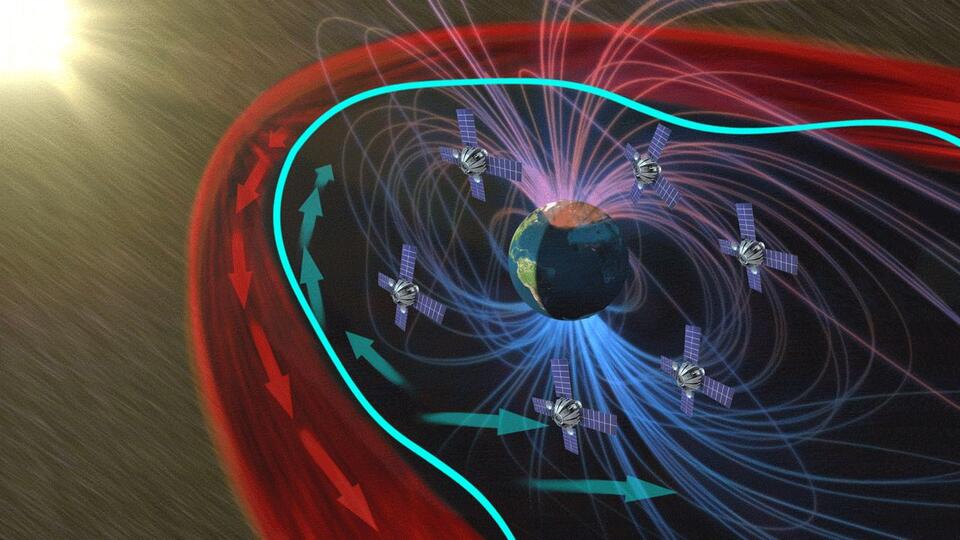
Scientists from the University of Michigan and Boston University have unveiled a groundbreaking proposal: a 'space airbag' system named 'StormWall' designed to actively protect Earth from severe solar storms. This innovative defense, detailed in a new study, suggests deploying six satellites into orbit that would release specific chemicals to form a protective plasma barrier, potentially cutting the intensity of a major geomagnetic storm by over 50%. This marks a significant shift from simply forecasting space weather to an active planetary defense strategy, which experts say is 'quite feasible' with existing technology. The urgency for such a system stems from the increasing threat solar storms pose to our modern, technology-dependent world. Coronal Mass Ejections (CMEs) can trigger powerful geomagnetic storms, disrupting critical infrastructure like satellites, GPS navigation, global communications, and terrestrial power grids, leading to widespread blackouts and economic losses. For example, the historic Carrington Event in 1859 crippled telegraph systems, and a similar event today could cause trillions of dollars in damage, with a May 2024 storm alone costing US farmers millions due to GPS malfunctions. While the 'StormWall' concept presents a promising solution to mitigate future cosmic threats, the next steps involve comprehensive cost analysis and further research into optimal deployment strategies, as the system would require launching substantial amounts of material into space. If successful, this active shield could safeguard the global infrastructure from the sun's most violent outbursts, ensuring the resilience of our interconnected world against an unpredictable celestial adversary.