Space Race Against Flames: New Satellites & AI Redefine Wildfire Detection
Context mode is active. Hover over any highlighted term to see its definition. Click a nested term to go deeper.
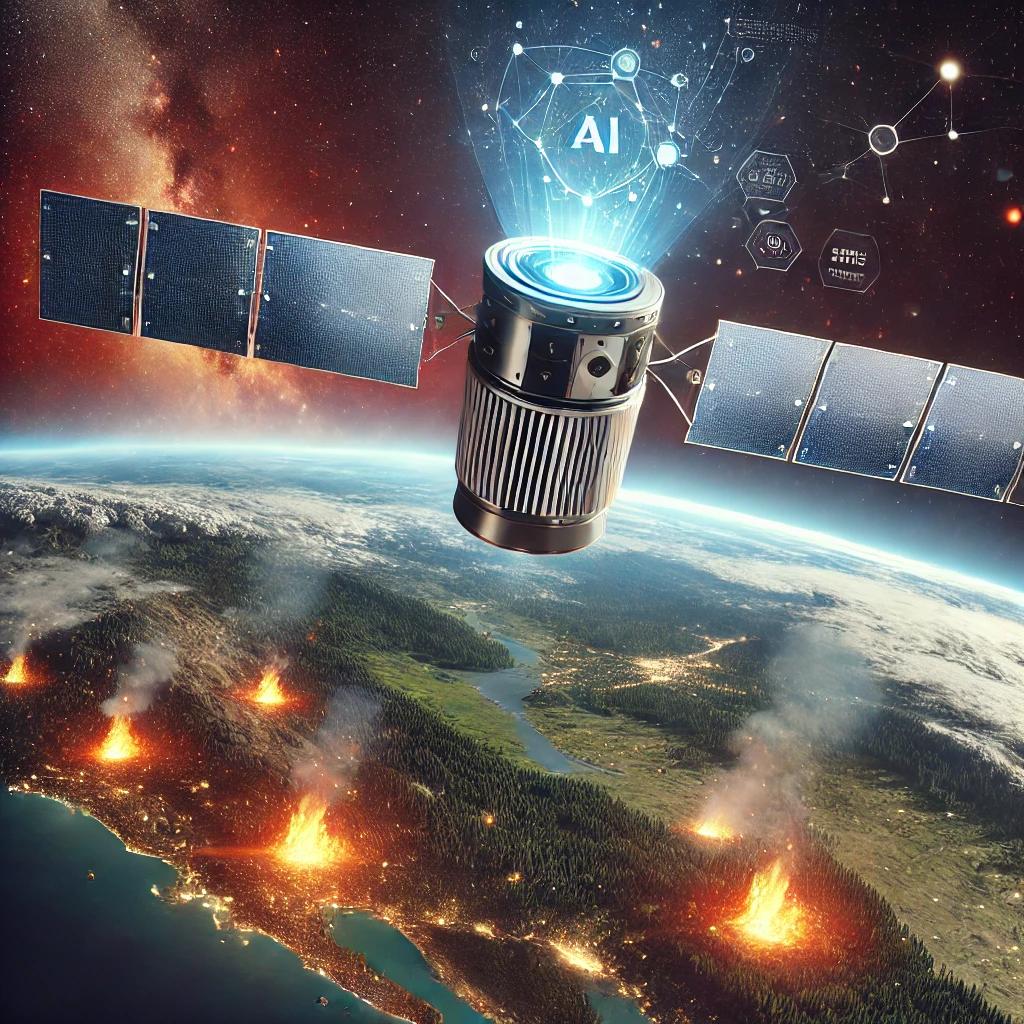
A new era in fighting wildfires is kicking off right now, with advanced satellites and artificial intelligence (AI) working together to spot blazes faster than ever before. Just last month, the first three FireSat satellites blasted into orbit, kicking off a groundbreaking system designed purely to catch wildfires early. This comes as Allianz Seguros in Spain just partnered with climate-tech startup Satellites on Fire to deploy an AI-powered system that claims to detect fires a whole 35 minutes quicker than NASA's older methods. These recent launches aren't happening in a vacuum; they're a direct response to wildfires getting more frequent and intense worldwide. While systems like NASA FIRMS and Europe's Copernicus Sentinel Satellites have been crucial for years, new tech is pushing the boundaries. Companies like Pano AI are already using AI and camera networks to beat 911 calls by an average of 45 minutes, showing how AI helps process vast amounts of data from space and ground sensors to pinpoint dangers. Looking ahead, the game is set to change even more. Researchers at West Virginia University are developing 'WildFIRE-DS,' an AI system for satellites that could allow them to think for themselves and even move to keep watching a fire as it spreads. Meanwhile, the full FireSat network aims to give us eyes on every spot on Earth every 20 minutes by the early 2030s, detecting fires as small as a beach bonfire. These innovations, alongside ground-based sensor networks like SensoRy AI recent deployment in Irvine, promise to give firefighters a critical head start, protecting lives, homes, and nature from devastating blazes.