SpaceX aims to launch orbital AI computing tests by end of next year, sources say - Reuters
Context mode is active. Hover over any highlighted term to see its definition. Click a nested term to go deeper.
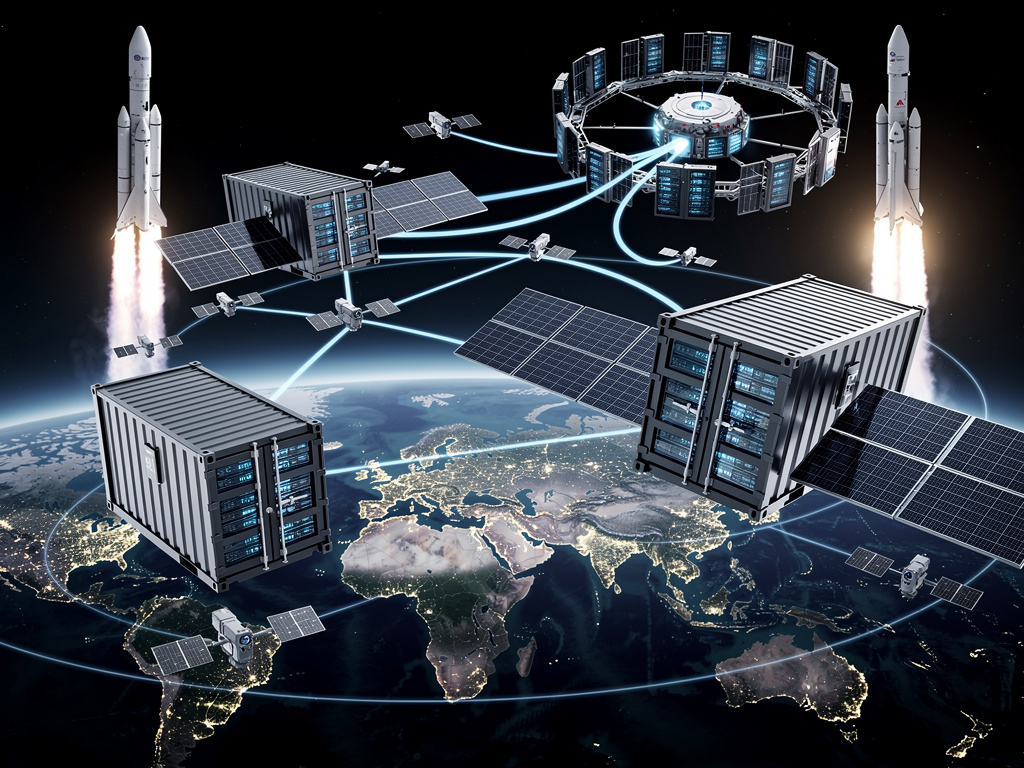
SpaceX is aggressively accelerating its ambitious foray into orbital AI computing, now targeting initial demonstration missions for its space-based data centers by late 2027—a full year earlier than previously indicated in its IPO filing. This accelerated timeline comes as the company unveils detailed designs for its 'AI1' satellite, a formidable craft with a 70-meter wingspan, along with plans for massive manufacturing facilities like the Gigasat factory in Texas, signaling a profound shift in its strategic direction towards becoming a dominant AI infrastructure provider [1, 3, 4, 8, 10, 11, 12, 17, 21]. The strategic pivot is a direct response to the escalating power, land, and cooling constraints plaguing terrestrial AI data centers, positioning space as the ultimate frontier for compute at scale [1, 5, 6, 15, 18, 24, 25]. Crucially, the initiative is central to SpaceX imminent IPO, aiming for a staggering $1.75 trillion valuation, with the company reportedly dedicating 60% of its 2025 capital expenditures to its AI division [5, 8, 10, 11, 12, 17, 21, 22]. The integration of Elon Musk AI venture, xAI, into SpaceX in February 2026, alongside reported multi-million dollar compute deals with industry giants like Google and Anthropic, underscores a vertically integrated strategy to leverage its rockets and satellite technology for end-to-end AI services [1, 8, 12, 19]. However, significant hurdles remain, primarily the critical dependency on the Starship mega-rocket achieving rapid reusability to make large-scale deployments economically viable—a goal still lagging behind initial projections [3, 4, 10, 13, 15, 21]. The complex engineering challenges of radiation hardening for chips and effective liquid cooling in the harsh vacuum of space, along with managing the regulatory and environmental implications of up to a million new satellites, will dictate the pace and feasibility of this audacious vision [6, 7, 9, 13, 15, 16, 23]. As the orbital edge computing market rapidly expands, all eyes are on SpaceX to see if it can indeed transform space into the world's largest, most powerful data center by the decade's end. [2, 12, 16, 24]