SpaceX and Other Mega IPOs May Wait Years to Join the S&P 500 - Yahoo Finance
Context mode is active. Hover over any highlighted term to see its definition. Click a nested term to go deeper.
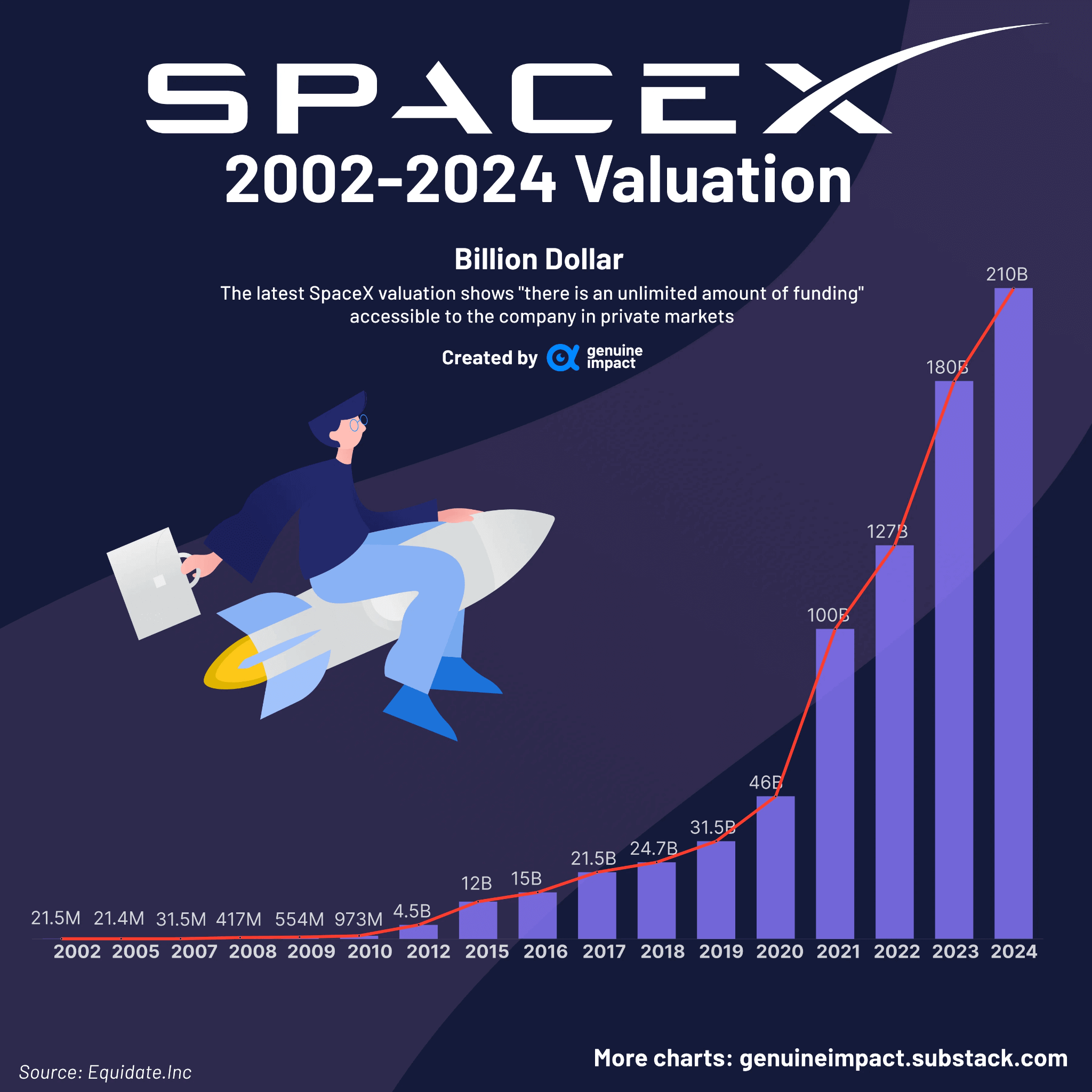
SpaceX, the aerospace titan, faces a prolonged wait before it can join the prestigious S&P 500, even after its eventual, highly anticipated Initial Public Offering. Analysts and market insiders suggest the company's aggressive investment strategy into projects like Starship and Starlink, while driving future growth, will likely delay the "four consecutive quarters of positive GAAP earnings" required for index eligibility for years post-IPO. This presents a significant hurdle for institutional investors tied to index funds eager to add the high-growth innovator to their portfolios. The challenge underscores a growing friction between rapidly expanding, capital-intensive tech giants and the traditional metrics of venerable indices. While SpaceX valuation has soared past $200 billion in recent private market rounds, its consistent pursuit of long-term, high-risk ventures often means reinvesting profits rather than showcasing quarterly profitability. This dynamic is also relevant for other mega-IPO like Starlink, which Elon Musk has indicated will go public before its parent company, potentially facing similar headwinds if its cash flow isn't consistently positive. The S&P Dow Jones Indices committee maintains stringent criteria, prioritizing sustained profitability over sheer market capitalization, aiming for stability within the benchmark. As investors eagerly await a firm IPO timeline for Starlink and subsequently SpaceX, the implications for passive investment strategies are clear: direct access to these disruptive companies through broad market index funds will not be immediate. Watch for potential shifts in S&P 500 eligibility discussions as the index grapples with how to incorporate a new generation of high-growth, often unprofitable, titans. This could force a re-evaluation of what defines a "blue chip" stock in the 21st century.