SpaceX Launch Crunch Pushes Small Satellite Operators to Rocket Lab, Firefly
Context mode is active. Hover over any highlighted term to see its definition. Click a nested term to go deeper.
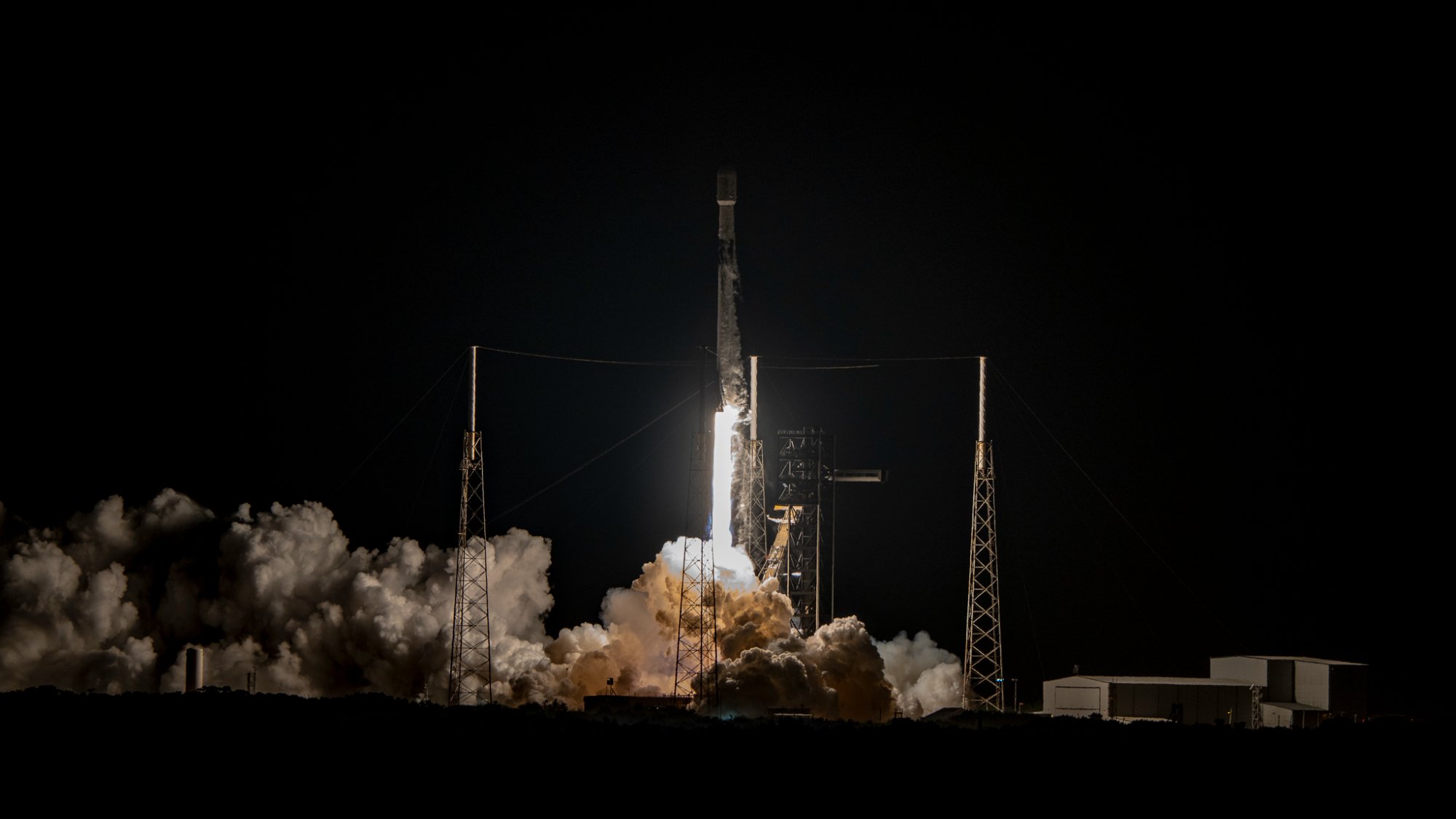
The small satellite industry is facing a significant bottleneck, as SpaceX, the dominant launch provider, has reportedly stopped accepting new commercial rideshare bookings beyond late 2028 or early 2029 due to increased focus on its own Starlink constellation. This 'rideshare crunch' is forcing small satellite operators, including Planet Labs, to scramble for alternative launch solutions, driving a surge of interest and business towards companies like Rocket Lab and Firefly Aerospace. Planet Labs CEO Will Marshall confirmed the growing demand and rising launch prices, indicating a strategic shift to secure future access to space. This tightening capacity from SpaceX, which dedicated about 79% of its Falcon 9 flights to internal Starlink missions in the second quarter of 2026, leaves many smaller players without reliable launch options for their upcoming satellite deployments. Rocket Lab, with its Electron rocket offering dedicated launch dates and orbits, is emerging as a preferred alternative, having recently completed its 94th Electron mission and securing a substantial backlog of over 90 missions. The situation highlights a structural challenge in the booming small satellite market, where satellite production is outstripping available launch supply. Looking ahead, the demand for dedicated launch services is expected to continue rising, benefiting companies that can offer flexibility and certainty. Rocket Lab is also progressing with its larger Neutron rocket, aiming to further expand its capacity for medium-lift missions, potentially capturing a broader segment of the market currently dominated by Falcon 9. Industry observers and conferences like SmallSat 2026 are actively discussing how this bottleneck will reshape the commercial space landscape, prompting smaller operators to diversify their launch partnerships to ensure their constellations can reach orbit.