SpaceX's 80,000 Cell Site Push Rattles AT&T, Signals New Telecom Battle
Context mode is active. Hover over any highlighted term to see its definition. Click a nested term to go deeper.
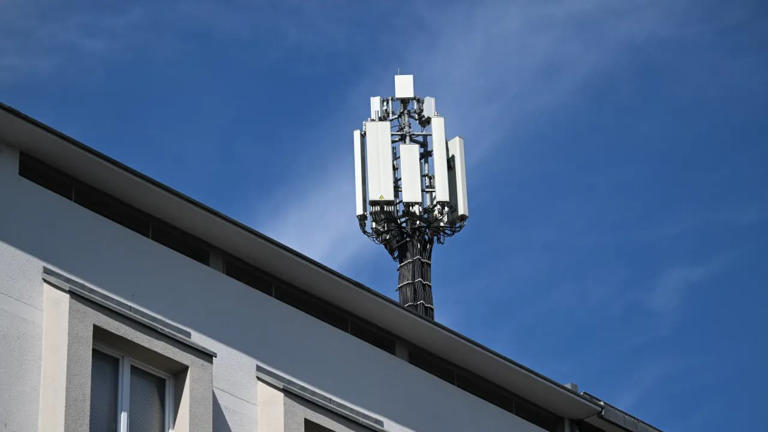
AT&T shares took a significant hit on Friday, plunging over 5%, as reports surfaced that Elon Musk's SpaceX is actively pursuing access to at least 80,000 cell sites across the United States. This aggressive move signals SpaceX intent to become a major terrestrial wireless competitor, directly challenging established giants like AT&T, Verizon, and T-Mobile in the fiercely competitive U.S. telecom market. The news, initially reported by Bloomberg, sent ripples through the industry, with incumbent carriers seeing their stock prices slide, while cellular tower operators like Crown Castle experienced a surge in value. This latest development is the clearest indication yet of SpaceX ambition to transform its Starlink satellite service into a full-fledged national mobile carrier, building on recent strategic acquisitions and regulatory approvals. Just weeks ago, SpaceX secured an $8 billion deal for nationwide low-band spectrum and received FCC authorization for 15,000 next-generation Starlink Mobile satellites, designed for direct-to-device connectivity. The proposed expansion into a vast network of ground-based cell sites is crucial for providing robust service in dense urban areas, complementing Starlink's existing satellite capabilities which currently serve over 13 million subscribers. Traditional carriers, represented by industry group CTIA, are already pushing back against FCC proposals that could ease satellite-to-phone rules, raising concerns about potential interference with existing 5G networks. The coming months will be critical as SpaceX navigates complex negotiations with tower operators and regulatory hurdles. While a nationwide terrestrial network could cost upwards of $80 billion and take years to fully deploy, the market is clearly anticipating a major disruption. Investors will be watching closely for concrete leasing agreements, further FCC decisions, and how AT&T and its rivals adapt their strategies to counter what could become a formidable fourth national wireless competitor.