Spain's Junior Partner Questions 2030 World Cup Bid Amidst Ceuta Migration Crisis
Context mode is active. Hover over any highlighted term to see its definition. Click a nested term to go deeper.
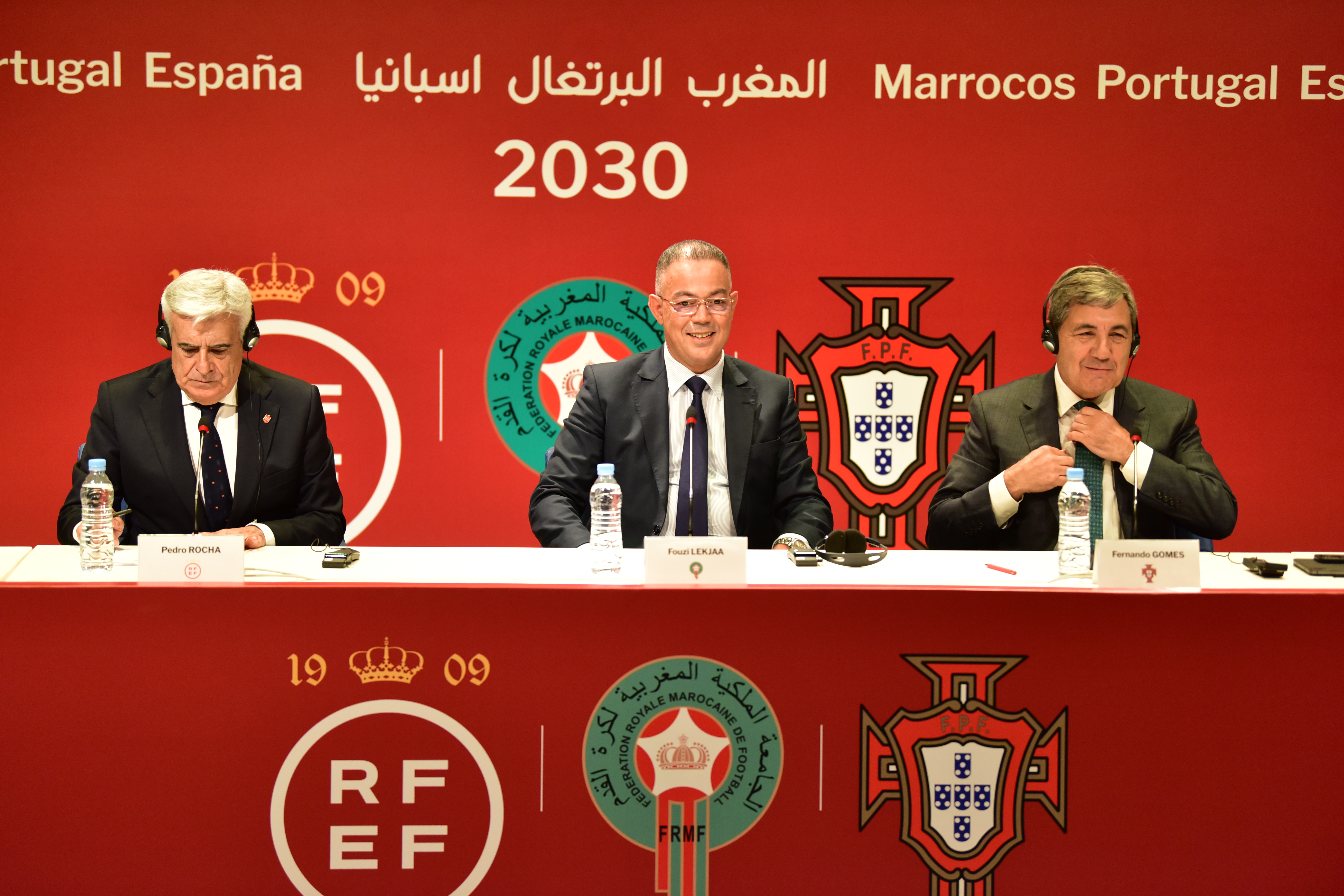
Spain's junior coalition partner, Sumar, has formally urged the Spanish Parliament to reconsider co-hosting the 2030 FIFA World Cup with Morocco and Portugal. This move comes after a severe migration crisis last week saw tens of thousands of migrants surge into Ceuta, the Spanish enclave bordering Morocco, raising serious human rights concerns and reigniting diplomatic tensions. Sumar's lawmaker, Nahuel González, explicitly accused Morocco of using migrant flows for political leverage, challenging the basis of their joint World Cup bid. The recent events in Ceuta witnessed an estimated 50,000 to 80,000 people crossing into the Spanish territories of Ceuta and Melilla from Morocco, overwhelming local resources and leading to dozens of reported deaths. While Spanish Prime Minister Pedro Sánchez defended Morocco's efforts in returning most migrants, the crisis has highlighted the ongoing friction over migration policy between the two nations and within Spain's own government. The 2030 World Cup bid, initially touted as a symbol of cooperation between Europe and Africa, now faces a political hurdle from within its host nations, with a small Portuguese party, Livre, also expressing similar reservations. Although Sumar's motion is non-binding and unlikely to derail the bid, it puts significant political pressure on Spain's coalition government and the broader World Cup organizing committee. Observers will be closely watching for any diplomatic fallout between Madrid and Rabat, as well as FIFA's reaction to these political challenges. The incident underscores how major international sporting events can become entangled in complex geopolitical and humanitarian issues, forcing a re-evaluation of partnerships that extend beyond sports.