Spirit Airlines Data: Startup Outbids Google for AI's Next Big Training Asset
Context mode is active. Hover over any highlighted term to see its definition. Click a nested term to go deeper.
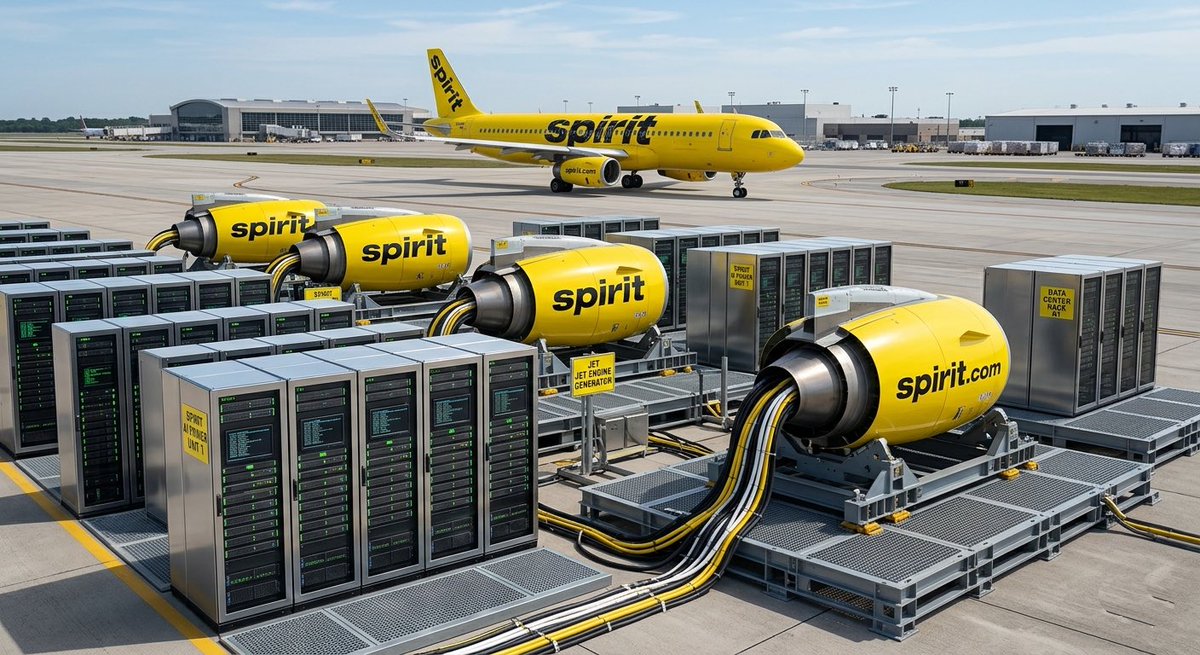
A fierce bidding war is brewing over bankrupt Spirit Airlines' corporate data, with AI startup Micro1 recently outbidding Google initial $10 million offer with a $12.5 million counter-bid. This massive trove of internal company records — including emails, chat logs, spreadsheets, and operational data — is highly sought after by tech giants and startups alike, who see it as crucial for training advanced artificial intelligence models to understand real-world business operations. The intense competition highlights a new frontier in the race for specialized data, even as a US bankruptcy judge prepares to consider the offers on September 9th, and privacy concerns from a flight attendant union add another layer to the complex sale. Google initially secured the data in a court-supervised auction after Spirit Airlines ceased operations in May 2026 due to financial troubles, aiming to use the 'enterprise dataset' to improve its AI products and models. However, Micro1 late, higher bid has thrown a wrench into the deal, showcasing the desperate need for 'realistic' business data to teach AI systems how businesses truly function, beyond just publicly available information. Another AI firm, Mercor.io, also vied for the data with a $7.5 million bid, underscoring the perceived value of an airline's comprehensive operational history. The next critical step is the September 9th court hearing, where the judge will decide whether to approve Google initial winning bid or consider Micro1 eleventh-hour offer. Meanwhile, Spirit's Flight Attendant Union has raised objections, demanding stronger safeguards to protect employee privacy, even though Google has pledged to rigorously 'de-identify' the data before use. This unfolding situation sets a precedent for how data from bankrupt companies will be valued and handled in the AI era, especially concerning privacy and the growing appetite for unique enterprise information.