Starlink says talks with Indian government continue, cites encouraging feedback
Context mode is active. Hover over any highlighted term to see its definition. Click a nested term to go deeper.
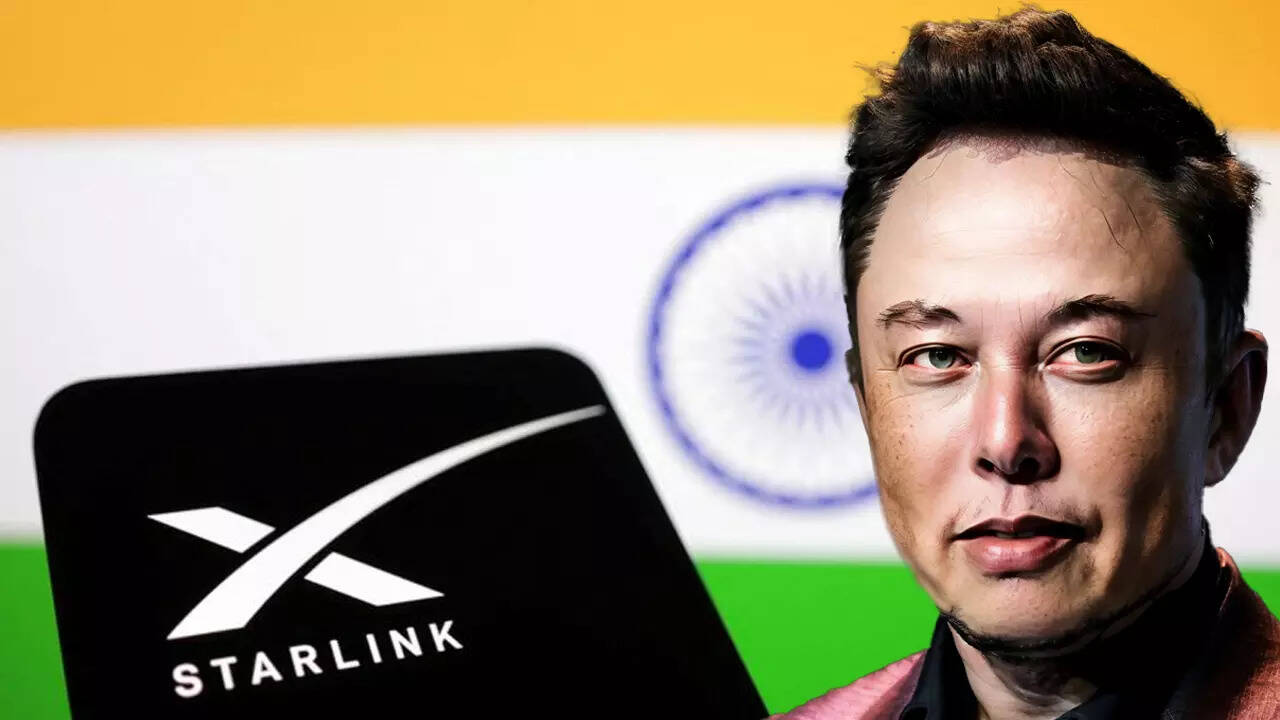
Starlink insists its discussions with the Indian government remain 'active and productive,' despite recent reports suggesting that New Delhi has frozen approvals for the satellite internet provider's commercial launch. Lauren Dreyer, Starlink VP of Business Operations, publicly dismissed these 'misleading stories' on Wednesday, emphasizing the company's transparent engagement as it awaits final clearances, particularly spectrum allocation, to enter one of the world's largest underserved broadband markets. This diplomatic pushback comes amidst brewing geopolitical concerns, with security agencies reportedly withholding final approval after Bloomberg cited the unauthorized use of Starlink terminals in the Iran conflict. India's Ministry of Home Affairs is reportedly wary of controlling a US-based communications provider during periods of global tension, a stance solidified by the Department of Telecommunications' stringent new security guidelines from May 2025. These regulations mandate data localization, real-fencing, and integration with India's indigenous NavIC system, posing complex compliance challenges for foreign operators. The impasse also casts a shadow over broader satellite-spectrum pricing proposals awaiting Union Cabinet approval, impacting not just Starlink but also domestic rivals like Bharti Group-backed Eutelsat OneWeb and Reliance Jio's Orbit Connect. The path forward for Starlink, and indeed for India's burgeoning satellite internet sector, hinges on addressing these thorny security and regulatory complexities. As SpaceX reportedly gears up for a major IPO, securing this critical market is paramount. Observers will be watching closely to see if Starlink can assuage New Delhi's digital sovereignty concerns and navigate the competitive landscape, where local telecom giants, through the Cellular Operators Association of India, continue to advocate for a level playing field amidst ongoing spectrum allocation debates.