Starmer vows ‘orderly’ transition as Labour MPs mull leadership bids
Context mode is active. Hover over any highlighted term to see its definition. Click a nested term to go deeper.
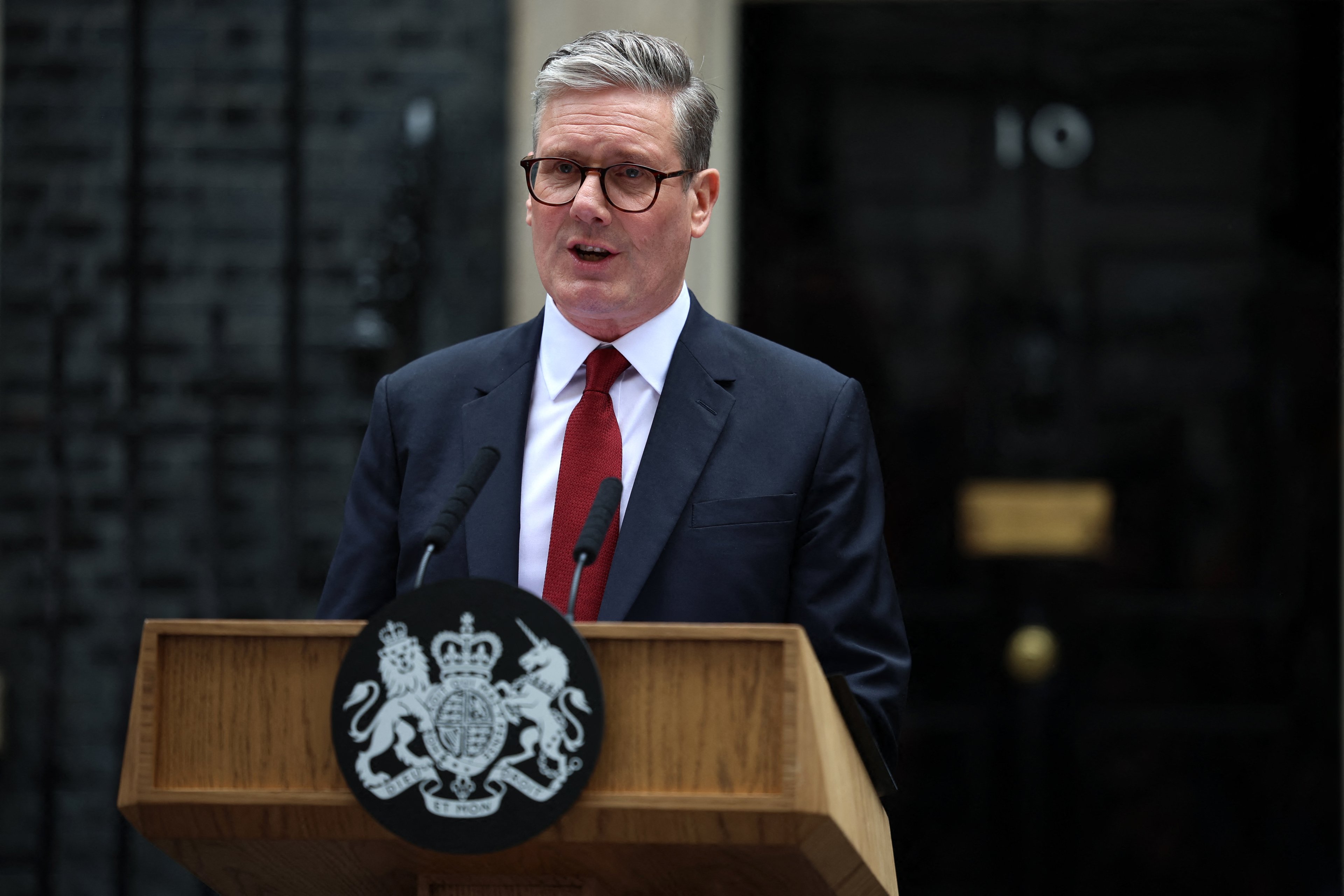
Keir Starmer surprise resignation as UK Prime Minister has plunged the Labour Party into a rapid leadership race, with Andy Burnham, fresh off a decisive by-election win in Makerfield, emerging as the overwhelming frontrunner. Starmer, who led Labour to a landslide victory less than two years ago, cited a loss of confidence from his parliamentary party following poor local election results and policy missteps. This swift political earthquake has set the stage for potentially the UK's seventh prime minister in a decade. While outgoing Prime Minister Starmer has pledged an 'orderly transition' and authorized 'access talks' for potential successors, a fierce debate is brewing within Labour over whether Andy Burnham ascent will be a democratic contest or a 'coronation'. Former Health Secretary Wes Streeting, once considered a strong contender, has already withdrawn and endorsed Burnham, solidifying his frontrunner status. However, government ministers Al Carns and Darren Jones are reportedly being encouraged to run, with some Labour MPs calling for a proper scrutiny of Burnham's vision, particularly on the economy, before he potentially walks unchallenged into Number 10. To officially enter the race, any challenger needs the backing of 81 Labour MPs by July 16. Nominations for the Labour leadership open on July 9 and close a week later on July 16. If Burnham remains the sole candidate, he could be confirmed as Prime Minister as early as July 17, but a contested race would see a new leader by September 1, when Parliament returns from recess. All eyes are now on Burnham's upcoming speech, where he is expected to detail his policy platform and economic plans, a crucial test as the party grapples with the need for unity versus a robust leadership challenge.