Strait of Hormuz Transit Will Take ‘Weeks’ to Resume, Largest Tanker Operator Tells FT
Context mode is active. Hover over any highlighted term to see its definition. Click a nested term to go deeper.
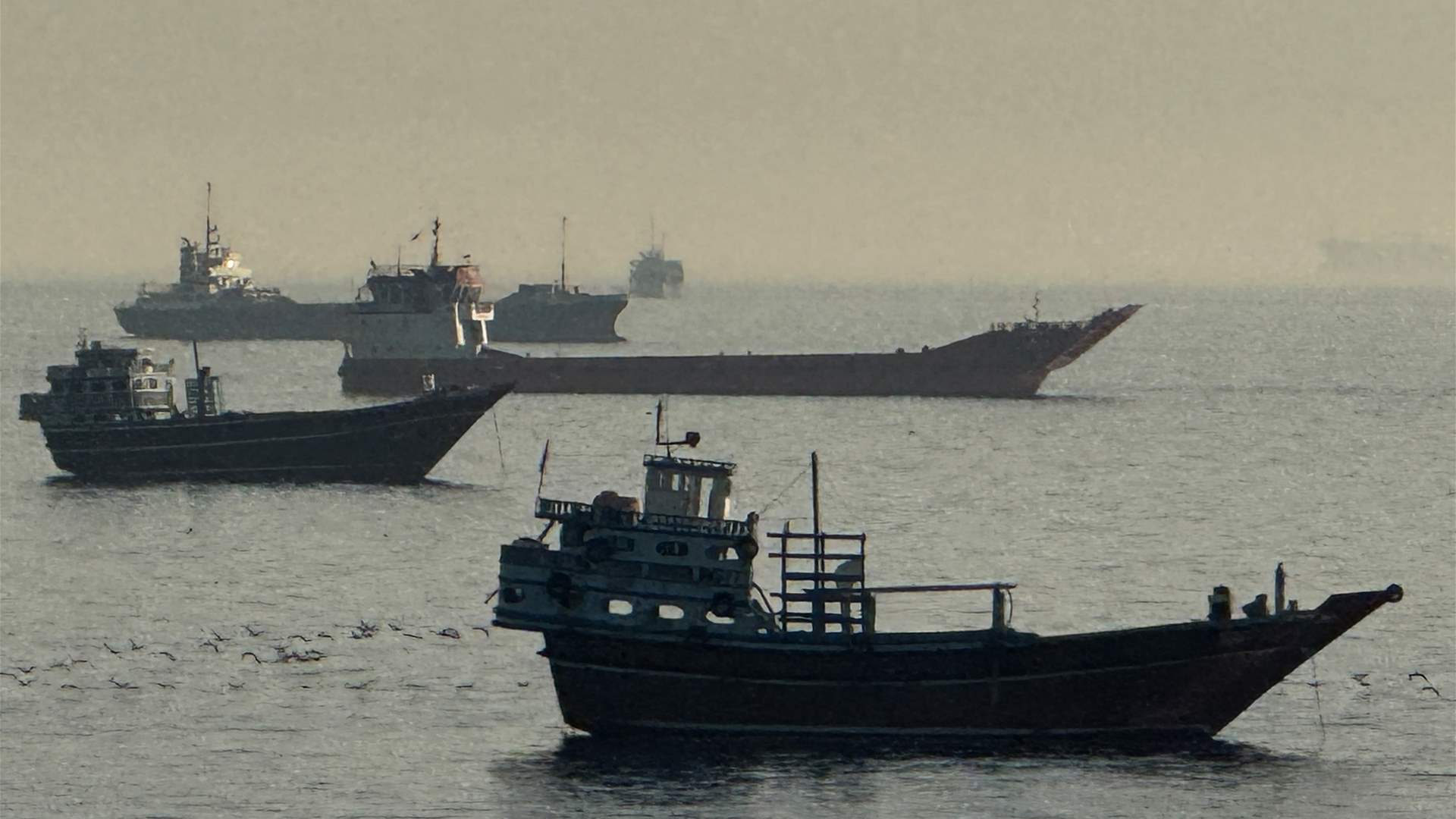
Despite a U.S.-Iran deal announced last weekend to end months of conflict and reopen the critical Strait of Hormuz, the world's largest tanker operator, Japan's Mitsui O.S.K. Lines, warns that full transit will take 'weeks' to resume. Shipowners remain highly cautious, insisting on tangible proof of safety on the ground—or, more accurately, in the water—before committing vessels to a waterway that has been a flashpoint for US-Israeli strikes, Iranian retaliations, and extensive mine laying since late February. [6, 9, 18, 29] This hesitancy underscores the deep distrust and formidable logistical challenges that persist, even as President Donald Trump hails the deal as 'toll-free' and 'safe.' Diverging interpretations of the agreement already highlight core strategic disagreements: while Washington declares the strait open without restrictions, Iranian officials have indicated intentions to impose 'service fees' and assert continued management authority. Compounding the uncertainty, hundreds of vessels remain bottlenecked in the Persian Gulf, and marine war risk premiums, though easing slightly, remain astronomically high due to the confirmed presence of floating mines that could take months to clear. [7, 13, 14, 15, 25, 28, 30, 31] The immediate future hinges on the formal signing of the Memorandum of Understanding on June 19, coupled with concrete actions towards mine clearance and clear, unified maritime protocols. Global energy markets, which saw Brent crude prices tumble from $126 to around $83 following the deal, are watching closely; while the initial relief rally is palpable, the slow return to pre-war shipping levels and depleted inventories could sustain elevated prices for months. The ongoing presence and contested authority of both the U.S. Fifth Fleet and Iran's Islamic Revolutionary Guard Corps in the strategic chokepoint ensure that confidence, not just diplomacy, will dictate the pace of normalization. [10, 12, 13, 14, 15, 16, 17, 20, 21, 26, 27, 32]