Stubble burning in Telangana going Punjab, Haryana way?
Context mode is active. Hover over any highlighted term to see its definition. Click a nested term to go deeper.
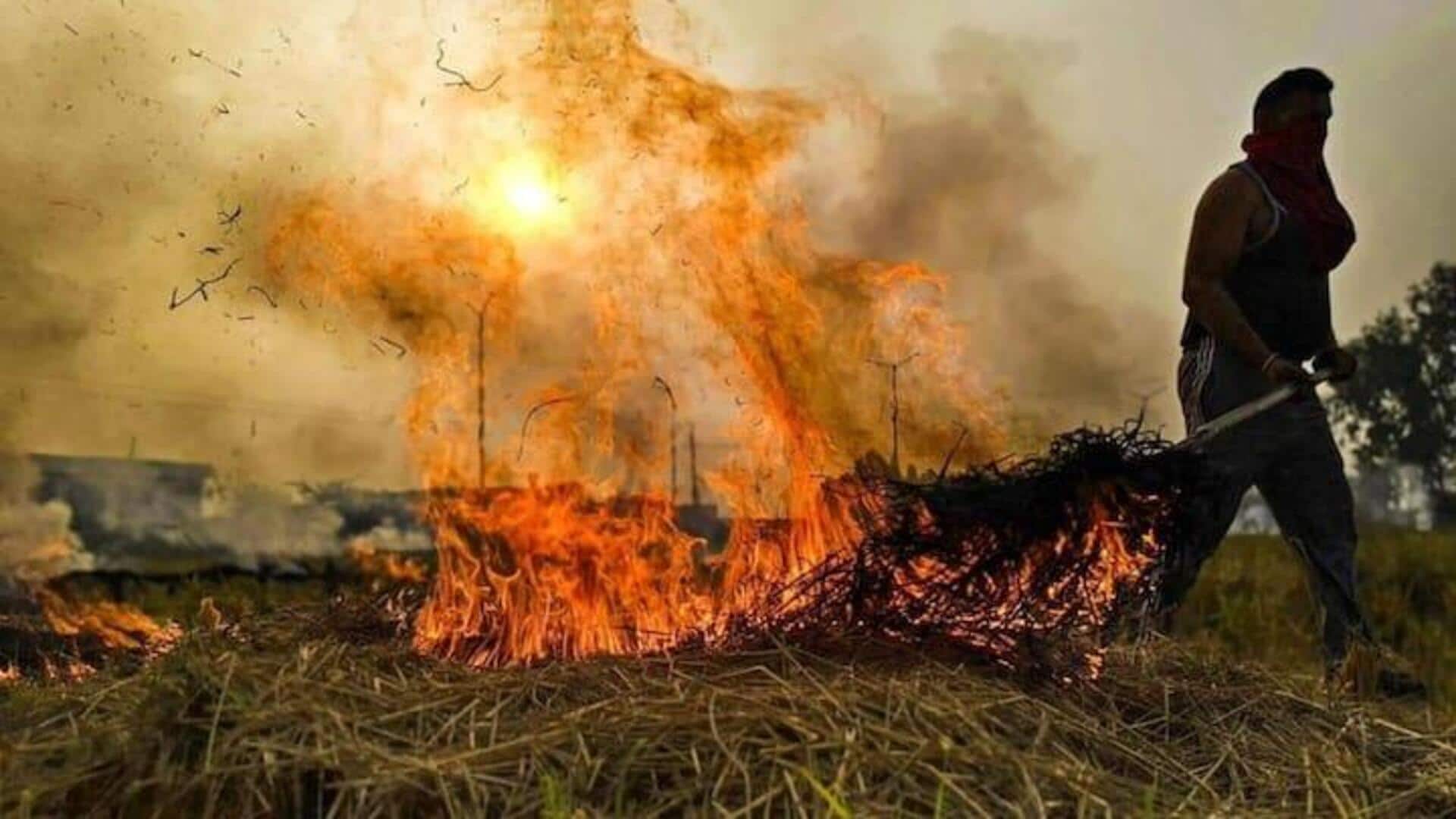
A staggering 17 lakh acres of farmland in Telangana were subjected to crop residue burning during the recent Rabi (Yasangi) season, an alarming figure revealed by satellite imagery analysis from Professor Jayashankar Telangana State Agricultural University (PJTSAU). This widespread practice has ignited urgent warnings from experts like PJTSAU Vice-Chancellor Professor Aldas Janayya, who cautions that Hyderabad air quality could plummet to Delhi hazardous levels within the next decade if this trend continues unchecked. The sheer scale of burning, encompassing 9 lakh acres of paddy and 8 lakh acres of maize and jowar residues, signals Telangana is rapidly mirroring the chronic environmental crisis long faced by northern states. This unfolding environmental challenge in Telangana is fueled by a confluence of factors, including a shortage of agricultural labor and a decline in livestock, pushing farmers towards the quicker, albeit destructive, method of clearing fields. The ramifications are dire: each tonne of crop residue incinerated releases noxious pollutants like carbon monoxide, carbon dioxide, methane, nitrogen oxides, and fine particulate matter, while simultaneously stripping the soil of vital nutrients like nitrogen, phosphorus, and potash. This destructive cycle mirrors the situation in Punjab and Haryana, whose stubble burning annually chokes Delhi with a thick smog, accounting for a significant portion of its PM2.5 pollution during harvest seasons. In response, the Telangana Agriculture Department has already issued stern advisories, threatening penalties of up to INR 5,000, while the state government is gearing up for a full-fledged crackdown, leveraging satellite data to identify and penalize violators under National Green Tribunal (NGT) guidelines and the Air (Prevention and Control of Pollution) Act. The focus is now on promoting sustainable alternatives such as the Pusa Decomposer, in-situ management techniques like mulching, and ex-situ solutions including biomass conversion. Yet, the real test lies in whether these enforcement and awareness efforts, coupled with central government schemes like the Crop Residue Management (CRM) scheme, can effectively pivot farmers away from burning and safeguard Telangana environmental future.