Super Typhoon Bavi Unleashes Catastrophic Fury on Crucial US Pacific Bases
Context mode is active. Hover over any highlighted term to see its definition. Click a nested term to go deeper.
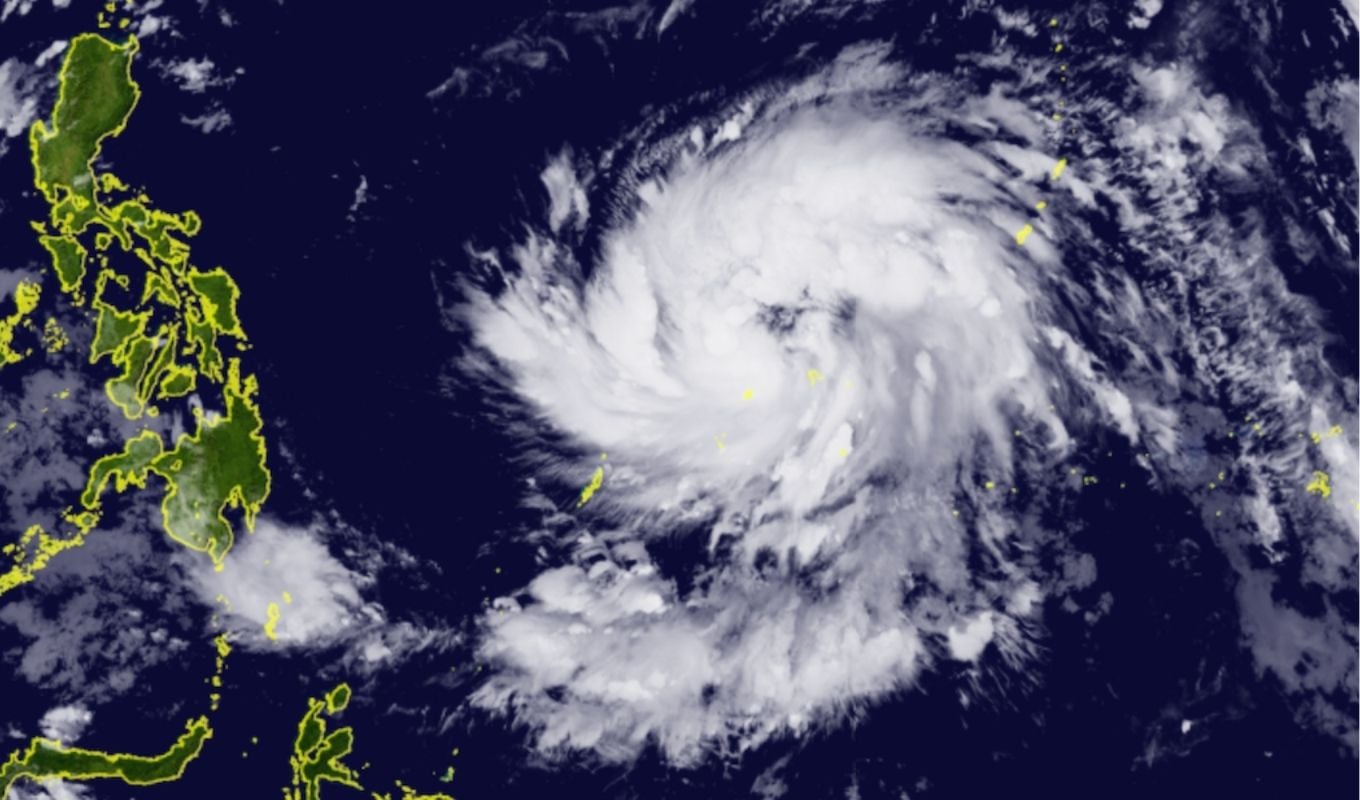
Super Typhoon Bavi, one of the most powerful storms globally this year, is currently slamming into the US Pacific Island Territories, with its eye passing directly over Rota in the Northern Mariana Islands. This Category 5 equivalent storm is unleashing destructive winds exceeding 180 mph and torrential rain, just months after Super Typhoon Sinlaku ravaged the same region, underscoring severe climate challenges to crucial US military infrastructure. Critical installations like Andersen Air Force Base and Naval Base Guam are bracing for significant impacts, highlighting the dual threat of extreme weather and geopolitical vulnerabilities in the Indo-Pacific. These islands are not just remote outposts; they are linchpins in America's Indo-Pacific strategy, serving as vital forward operating bases for projecting power and deterring potential adversaries like China and North Korea. The region is still reeling from the extensive damage caused by Super Typhoon Mawar in 2023, which left a nearly $10 billion repair bill for military facilities, demonstrating the massive financial and strategic costs of these increasingly frequent and intense storms. The repeated hits underscore critical questions about military readiness and climate resilience in a contested global theater. As emergency teams on Guam and the Northern Mariana Islands shift into full disaster relief mode, the immediate focus is on search and rescue, restoring critical utilities, and assessing the full extent of the damage to both civilian communities and military assets. The US Indo-Pacific Command is likely to intensify its ongoing disaster preparedness exercises, given the back-to-back super typhoons, as the long-term challenge of fortifying these strategic locations against an escalating climate threat becomes increasingly urgent. The world watches closely as these islands begin another arduous recovery, with profound implications for regional stability.