Supreme Court Boosts Trump's Mail-In Ballot Order, Legal Battles Rage On
Context mode is active. Hover over any highlighted term to see its definition. Click a nested term to go deeper.
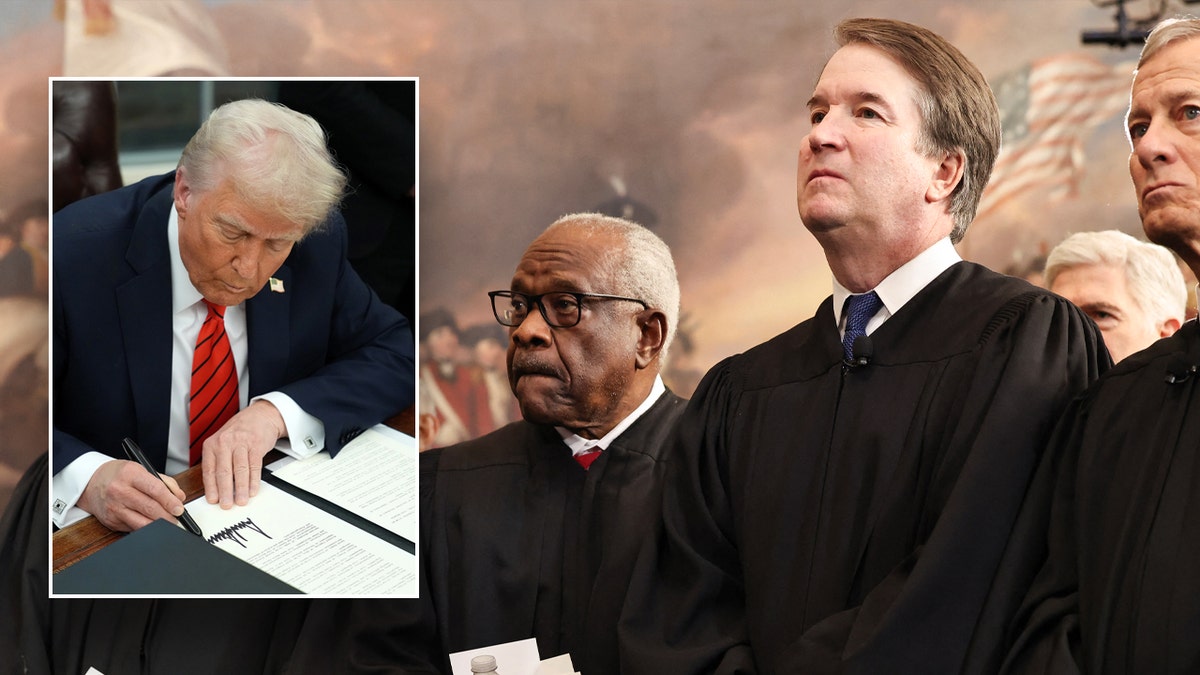
The U.S. Supreme Court has just given a partial green light to President Donald Trump executive order aimed at restricting mail-in voting, a move that could shake up the upcoming November 2026 midterm elections. In a 6-3 decision that split along conservative and liberal lines, the high court lifted one of two court orders that had blocked Trump's directive. This procedural win means the administration can now push forward with some parts of its plan, but the road ahead is still full of legal roadblocks. Trump's Executive Order, signed back in March 2026, directs the Department of Homeland Security to create lists of eligible citizen voters for each state and requires the U.S. Postal Service to only deliver mail ballots to people on those verified lists. It also suggests states use special envelopes with tracking barcodes, threatening to cut federal funds for those that don't comply. However, the Supreme Court ruling didn't actually say if Trump's order is legal or not; it focused on whether lower courts had jumped the gun by blocking it before any actual harm occurred. Critics, including 23 Democratic-led states, warn that these changes could make it harder for millions of eligible voters to cast their ballots, especially with midterms just around the corner. Even with this Supreme Court boost, a separate, nationwide injunction still stands, preventing the U.S. Postal Service from implementing new rules about ballot envelope designs and voter data for the November elections. States like California and Pennsylvania have already said they will keep fighting this order, with new lawsuits expected. With some states starting to send out mail ballots in just a few weeks, this ongoing legal battle introduces a lot of uncertainty into how Americans will vote in the pivotal 2026 midterms, setting the stage for more courtroom drama and potential voter confusion.