Supreme Court Clears Way for Trump's Mail-In Ballot Citizenship Checks Ahead of Midterms
Context mode is active. Hover over any highlighted term to see its definition. Click a nested term to go deeper.
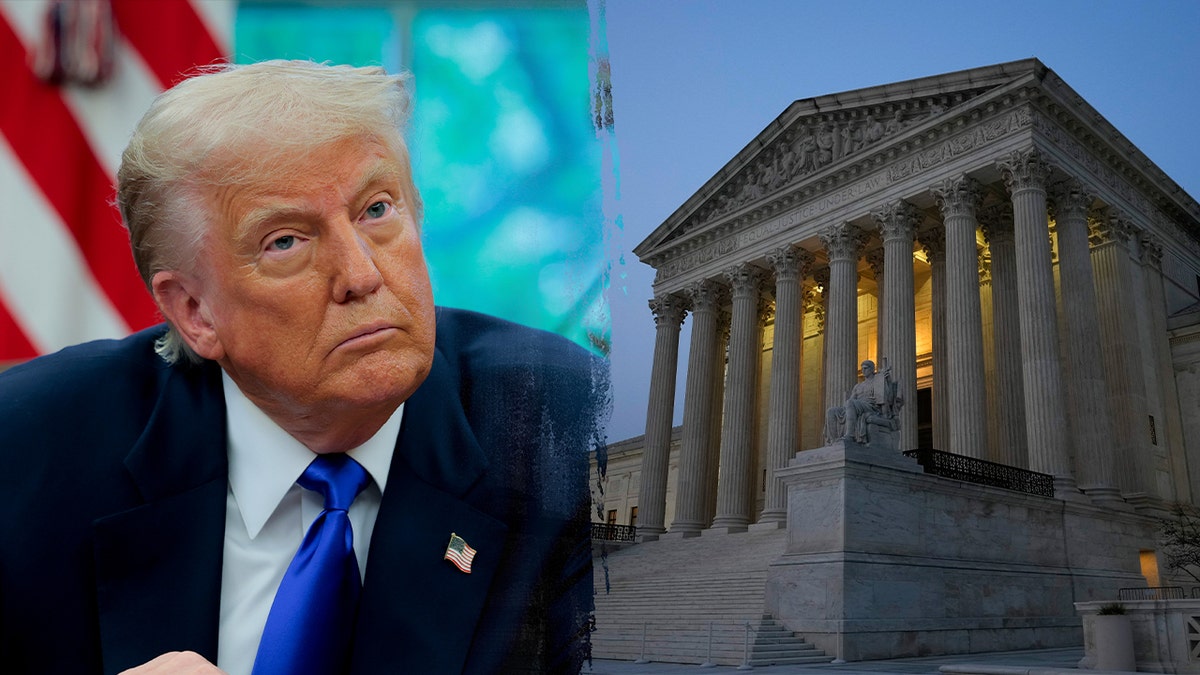
The U.S. Supreme Court has handed the Trump administration a significant, albeit procedural, victory, allowing parts of its executive order on citizenship checks for mail-in ballots to proceed just months before the crucial November midterm elections. In a 6-3 decision along ideological lines, the high court lifted a lower court's injunction, arguing that states challenging the order had sued prematurely as the order itself doesn't directly force states to change their voting procedures. This ruling means federal agencies can now move forward with directives aimed at verifying voter citizenship and overhauling mail-in ballot processes. At the heart of this legal showdown is President Donald Trump's March 2026 executive order, 'Ensuring Citizenship Verification and Integrity in Federal Elections,' which directs the Department of Homeland Security to create federal lists of eligible voters and the U.S. Postal Service to restrict ballot delivery to verified citizens. Critics, including 23 Democratic-led states and numerous voting rights groups, argue these measures are unconstitutional, overstep federal authority into state election administration, and could disenfranchise millions of eligible citizens, citing concerns about inaccurate federal databases and the burden of proof placed on voters. They highlight that non-citizen voting is already extremely rare and illegal. While the Supreme Court decision allows federal agencies to advance their plans, a separate lower-court order continues to block some mail-ballot provisions, leaving the ultimate legality of these policies undecided. The battle now shifts back to lower courts, with ongoing litigation expected to intensify as election officials face imminent deadlines for sending out mail ballots. The outcome could significantly shape voter access and the integrity of the upcoming midterms, making this a pivotal moment in the ongoing national debate over election rules.