Supreme Court Ruling Leaves Thousands on TPS for Haiti, Syria in Turmoil
Context mode is active. Hover over any highlighted term to see its definition. Click a nested term to go deeper.
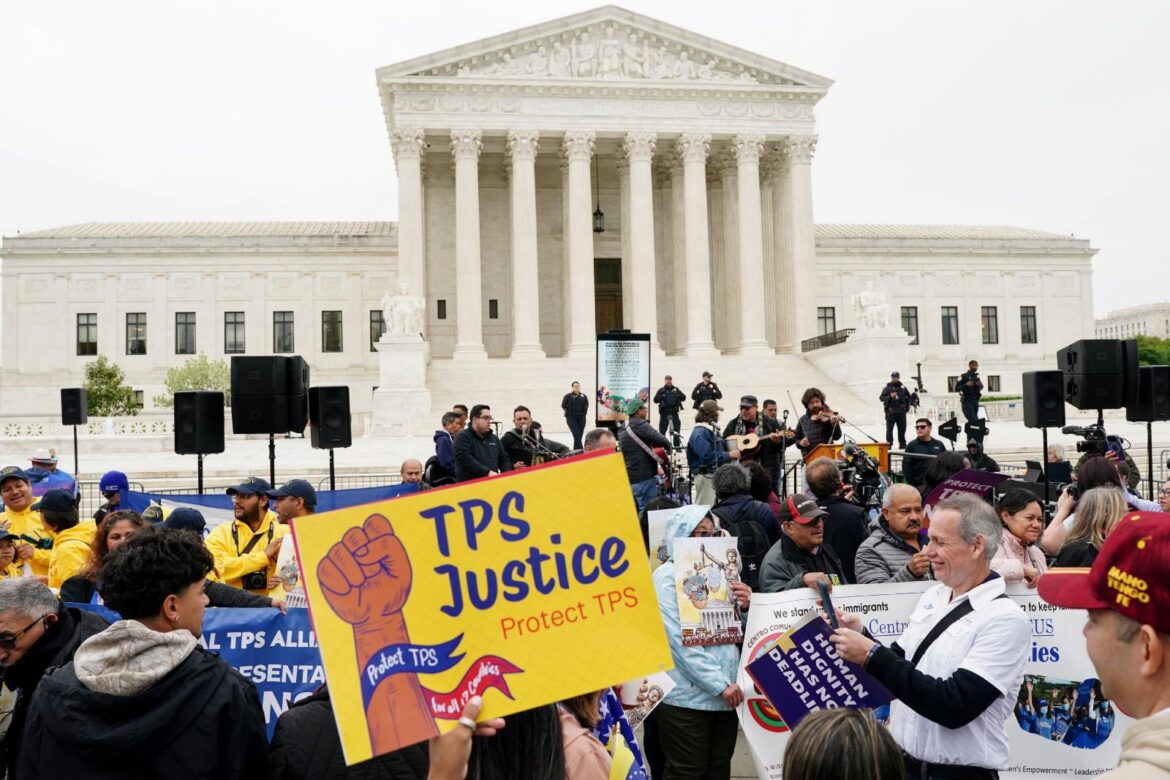
The U.S. Supreme Court 6-3 decision this past June has plunged thousands of Haitians and Syrians holding Temporary Protected Status into a fresh wave of fear, clearing the way for the current administration to end a program that has allowed these individuals to live and work legally in the United States. This ruling dramatically alters the legal landscape for these communities, raising serious worries about their future and possible forced returns to unsafe home countries. For many years, people with TPS—a special status given when their home countries face dangers like war or natural disasters—have built new lives in America, working jobs and raising families. The June 25, 2026, Supreme Court decision in cases like Mullin v. Doe and Trump v. Miot essentially affirmed the executive branch's broad authority to terminate these designation, severely limiting judicial oversight and reversing lower court orders that had temporarily blocked such actions for Haiti and Syria. Critics worry this move ignores the ongoing instability in Haiti, which has been in a national state of emergency since 2024 due to gang violence and political upheaval, and the continuing humanitarian crisis in Syria, potentially sending people back into harm's way. With legal challenges now significantly limited, the immediate focus shifts to potential administrative actions by the Department of Homeland Security and desperate last-ditch legislative efforts in Congress to create new pathways. As of late July 2026, USCIS guidance indicated that TPS and associated employment authorization for Haitians and Syrians have officially terminated, with Haiti's TPS ending on July 27, 2026, and Syria's on July 27, 2026. Without new protections, many TPS holders could face deportation, disrupting communities nationwide and reigniting a fierce debate about America's immigration rules and its role as a haven.