Supreme Court sides with Trump administration on federal regulation of telecom companies
Context mode is active. Hover over any highlighted term to see its definition. Click a nested term to go deeper.
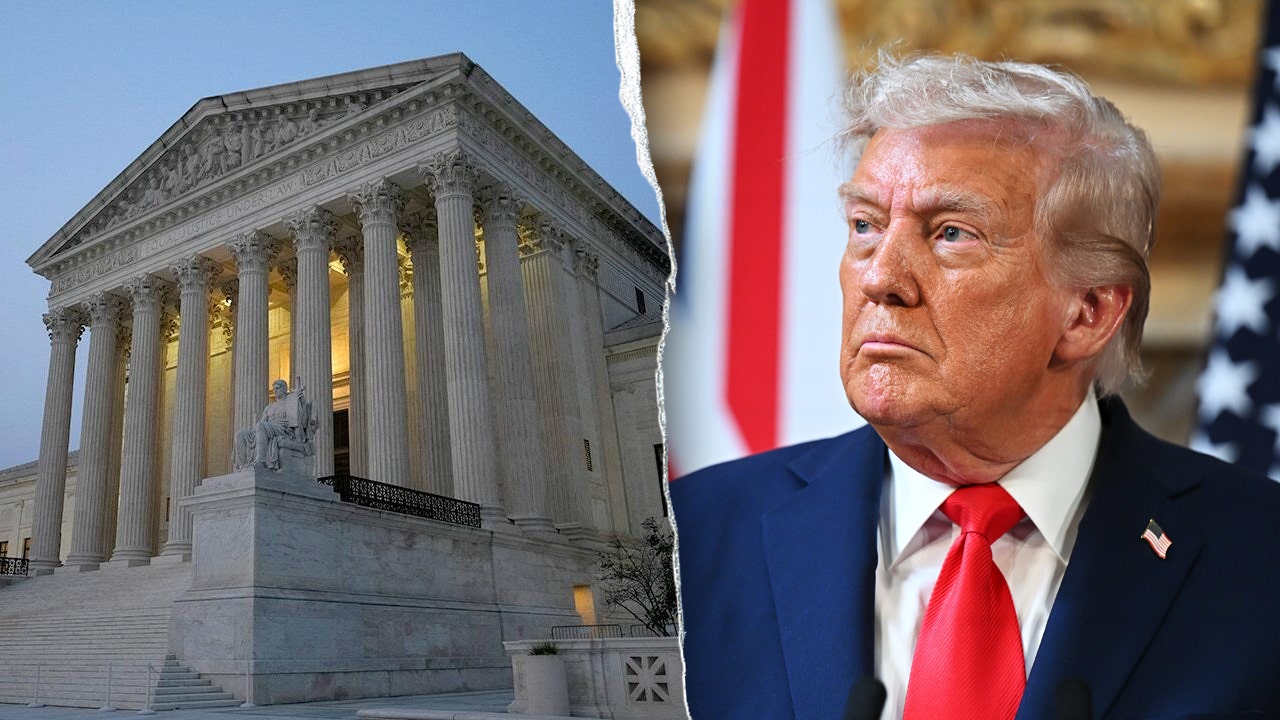
In a decisive 6-3 ruling, the Supreme Court today upheld the Federal Communications Commission authority to impose multi-million dollar penalties on major telecom companies, specifically siding with an interpretation of the Communications Act favored by the Trump administration. The decision rejects challenges from industry giants Verizon and AT&T, who argued the FCC overstepped its bounds in enforcing specific service and disclosure requirements during a period of significant regulatory flux. The ruling marks a pivotal moment for administrative law, reinforcing the scope of federal agencies' power to regulate critical sectors. This case originated from compliance disputes during the Trump-era FCC aggressive push to reclassify internet service providers and rollback Obama-era net neutrality rules, even as it maintained enforcement in areas like consumer protection. The High Court's affirmation of agency discretion, particularly concerning interpretations under the Chevron deference doctrine, signals continued headwinds for companies seeking to limit federal oversight across various industries. Looking ahead, this verdict is expected to embolden the current FCC in its ongoing regulatory reviews, potentially leading to more stringent enforcement actions in areas like broadband access, data privacy, and service reliability. Industry observers anticipate a renewed focus on compliance from major players like Verizon and AT&T, with significant implications for future investment strategies and consumer-facing policies. The battle over federal oversight in the digital economy is far from over, but the balance of power has just tilted significantly towards regulators.