Supreme Court Upholds Post-Election Day Mail Ballot Counting, Rebuffing GOP Challenge
Context mode is active. Hover over any highlighted term to see its definition. Click a nested term to go deeper.
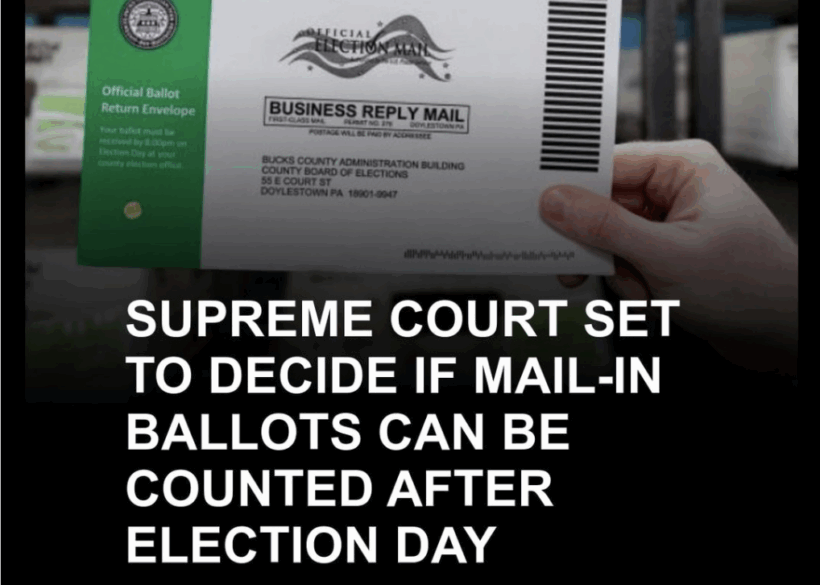
In a significant 5-4 decision, the Supreme Court ruled Monday that states can indeed count mail ballots arriving after Election Day, provided they are properly postmarked by the deadline. This ruling rejects a Republican challenge centered on a Mississippi law and affirms the validity of grace periods for ballot receipt in over a dozen states, a major win for voting rights advocates. The narrowly divided court found that federal law does not explicitly prohibit such practices, thereby preserving the current election administration procedures. The case, 'Watson v. Republican National Committee,' pitted the RNC and allied groups against Mississippi's practice of counting ballots received up to five days after Election Day. Republicans, including former President Donald Trump, have consistently argued that counting late-arriving ballots invites fraud and undermines 'election integrity', despite a lack of evidence. However, the majority opinion, penned by Justice Amy Coney Barrett and joined by Chief Justice John Roberts and the court's three liberal justices, emphasized that the act of voting occurs when the ballot is cast, not when it is received, and that states maintain the authority to set their own ballot receipt deadlines. This decision prevents a potential upheaval of election procedures just months before the crucial 2026 midterm elections, where voting access and processes are already hotly debated. While a victory for states' rights in managing their elections, the ruling will likely fuel continued partisan clashes over voting rules. Expect further legislative and legal skirmishes as both parties seek to shape the electoral landscape, particularly concerning mail-in voting and related 'election integrity' measures, even as courts continue to block presidential attempts to unilaterally alter election rules.