Supreme Court Upholds State Bans, Reshaping Transgender Athletes' Future in Sports
Context mode is active. Hover over any highlighted term to see its definition. Click a nested term to go deeper.
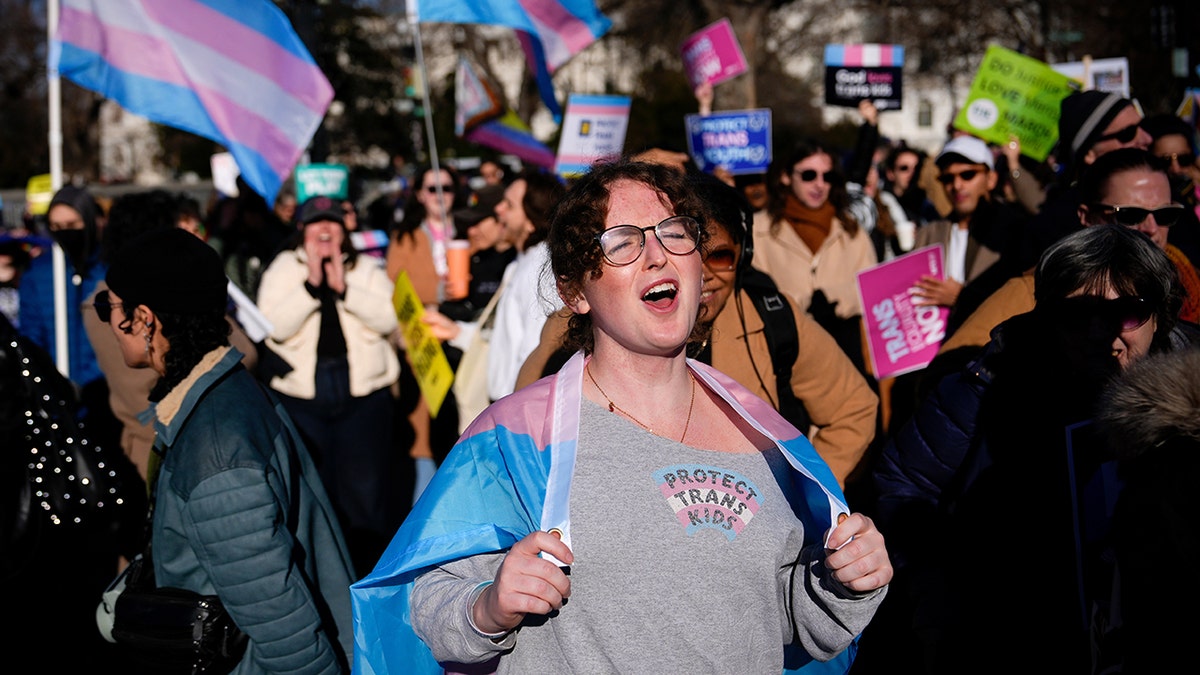
The US Supreme Court delivered a significant blow to transgender rights on June 30, 2026, ruling that states can now legally prevent transgender girls and women from playing on girls' and women's sports teams. This 6-3 decision effectively upholds bans in West Virginia and Idaho, directly impacting high school student Becky Pepper-Jackson, a key plaintiff in the landmark case. The ruling lets states decide these sensitive policies, rather than setting a national standard for inclusion. This highly anticipated judgment, coming after arguments that explored both the federal Title IX law and the Constitution's Equal Protection Clause, marks a clear setback for LGBTQ+ advocacy groups. Joshua Block, Senior Counsel for the American Civil Liberties Union (ACLU), who argued on Becky Pepper-Jackson behalf, called the ruling 'heartbreaking' for trans youth who seek equal opportunities. The conservative majority of the Court found that separate sports teams based on 'biological sex' are reasonable, citing interests in fairness and safety, a view strongly opposed by the Court's liberal justices on the Equal Protection Clause aspect. With around 27 states already having similar bans or restrictions, this decision opens the door for even more widespread implementation of such policies, though it doesn't force states to act. The ACLU and other advocacy groups have vowed to continue their fight at the state level, emphasizing that the battle for dignity and inclusion for transgender individuals, particularly in sports, is far from over. This ongoing legal and social debate will likely see more challenges as communities grapple with how to balance fairness, safety, and inclusivity in school athletics.