Surge in Melanoma Cases in the UK: Understanding the Risks and Prevention
Context mode is active. Hover over any highlighted term to see its definition. Click a nested term to go deeper.
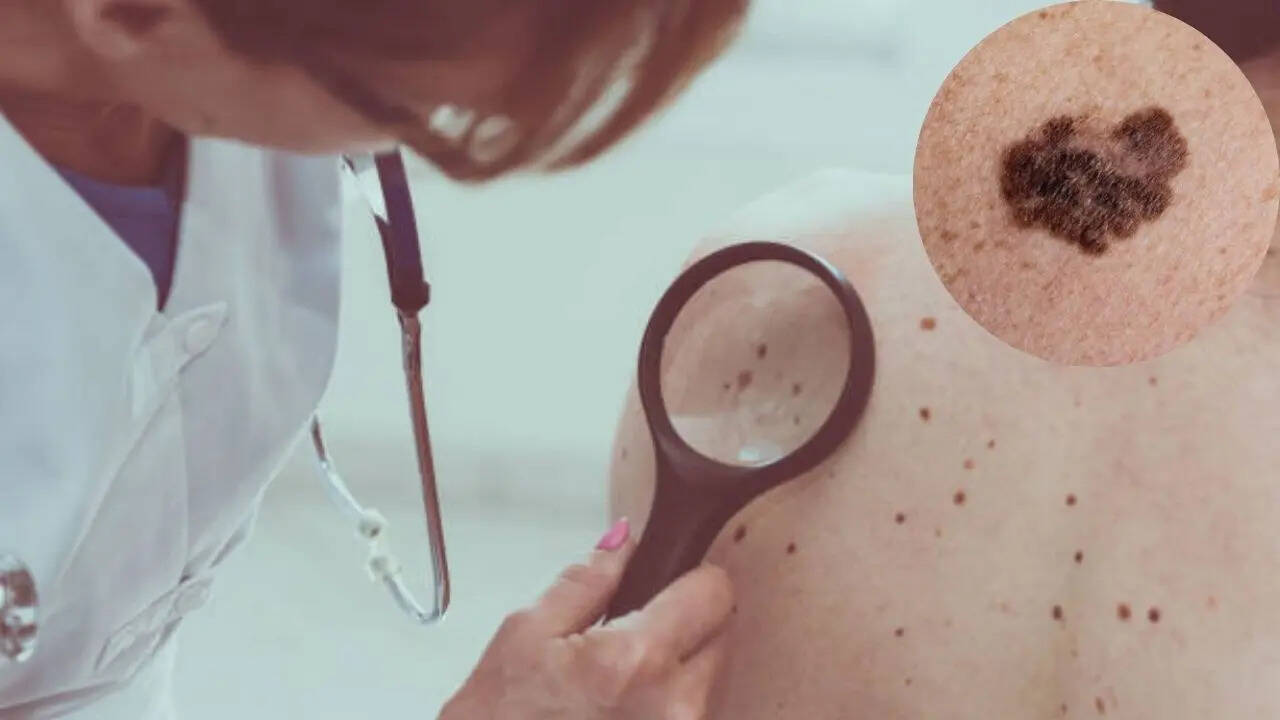
The UK is confronting a worsening public health crisis as Melanoma diagnoses are now projected to surge past 25,000 annually by the close of 2026, a stark 25% increase from the 20,000 cases recorded just four years prior. This alarming trajectory, particularly among younger women persistent with Tanning Beds and outdoor workers experiencing intensified UV Exposure, is placing unprecedented strain on an already beleaguered NHS England and sparking urgent debate over current public health strategies. Despite decades of warnings from Cancer Research UK and the British Association of Dermatologists, the societal embrace of sun-kissed aesthetics, often amplified by social media, continues to fuel risky behavior. This challenge is compounded by climate change, which has delivered higher UV Exposure indices earlier in the year. Critical shortages in Dermatology Services mean Early Detection — the primary defense — is increasingly reliant on overstretched general practitioners and nascent AI Diagnostics platforms still in pilot phases. Pressure mounts on the Department of Health and Social Care to table aggressive new legislation, with a parliamentary debate on stricter tanning bed regulations – potentially extending age restrictions or outright bans on specific high-intensity lamps – anticipated before year-end. Public health strategists are also exploring targeted Behavioral Nudges to reshape perceptions of sun safety among Gen-Z. The coming months will be crucial in determining whether these interventions can meaningfully bend the curve on the UK’s accelerating Melanoma crisis.