Suzuki, Maruti Suzuki Fuel India's Green Leap with 11 New Biogas Plants
Context mode is active. Hover over any highlighted term to see its definition. Click a nested term to go deeper.
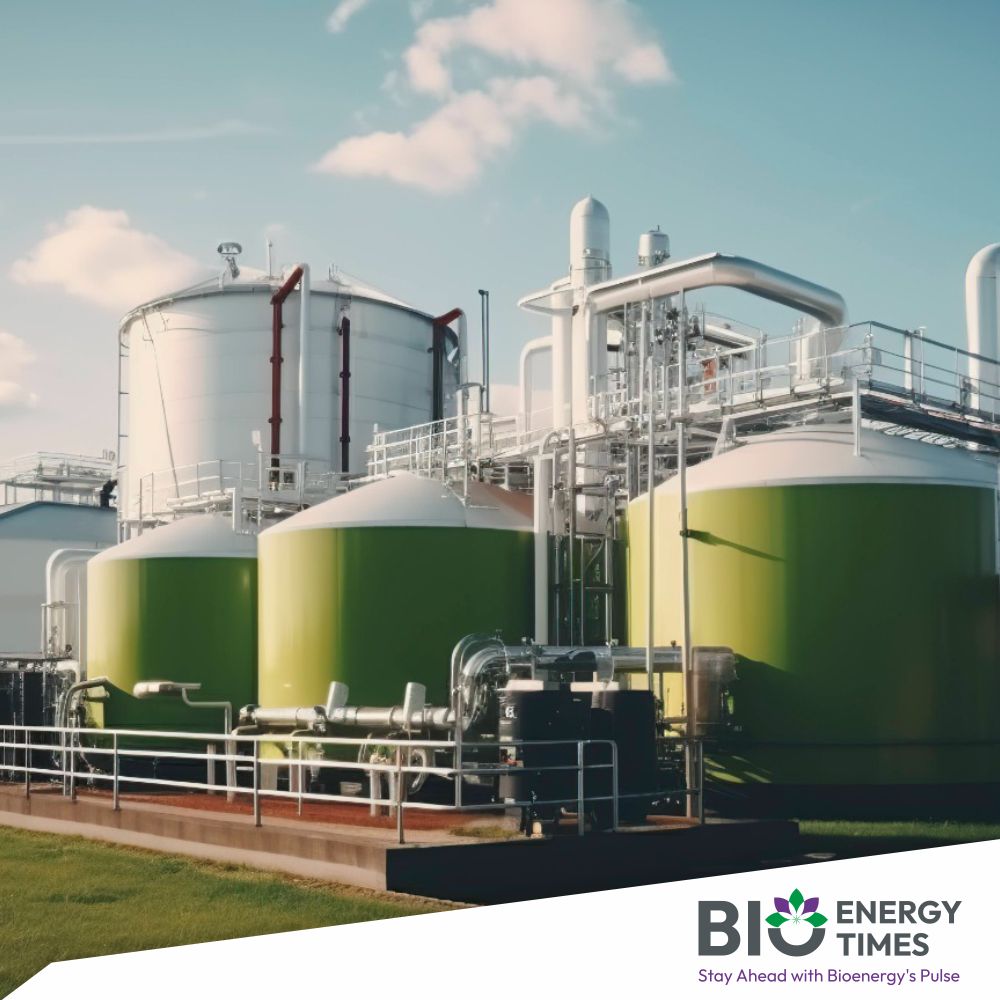
India's clean energy ambitions just got a major shot in the arm as Suzuki Motor Corporation and its Indian arm, Maruti Suzuki India Limited, announced plans to roll out 11 new Compressed Biogas (CBG) plants across the country. These facilities will transform abundant cow dung and agricultural waste into vehicle fuel, marking a significant step towards a greener, more self-reliant India. The move, highlighted by Maruti Suzuki MD and CEO Hisashi Takeuchi at the 66th Annual Convention of the Society of Indian Automobile Manufacturers (SIAM) on September 4, 2026, reinforces a multi-technology strategy for sustainable mobility that could reshape the nation's energy landscape. This aggressive expansion builds on Suzuki's three existing operational cow-dung based biogas plants and aligns perfectly with India's broader 'Waste-to-Wealth' mission and the recently approved GOBARdhan Scheme, a national circular bioenergy initiative with a massive ₹23,731 crore outlay. CBG offers a powerful solution to multiple national priorities: it's carbon-negative, helps curb stubble burning, and reduces India's reliance on imported fossil fuels, all while creating income and employment opportunities in rural areas. The push also has international backing, with the prime ministers of India and Japan agreeing during a recent summit to establish 1,000 biogas plants nationwide. Looking ahead, the integration of these 11 new plants, comprising seven cow-dung based by Suzuki and four agricultural waste-based by Maruti Suzuki, will dramatically bolster India's clean fuel infrastructure. While specific locations and commissioning timelines for all 11 plants are yet to be fully disclosed, the ongoing expansion of Maruti Suzuki's Manesar and Kharkhoda facilities signals immediate progress. With government incentives like guaranteed purchase prices and subsidies for CBG production, the pathway is being cleared for a rapid scale-up, aiming to increase biogas blending to 5% of total natural gas consumption by fiscal year 2029 and solidify CBG as a long-term sustainable mobility solution.