Sweden's Centre-Left Triumphs in Nail-Biter Election, Kristersson Resigns
Context mode is active. Hover over any highlighted term to see its definition. Click a nested term to go deeper.
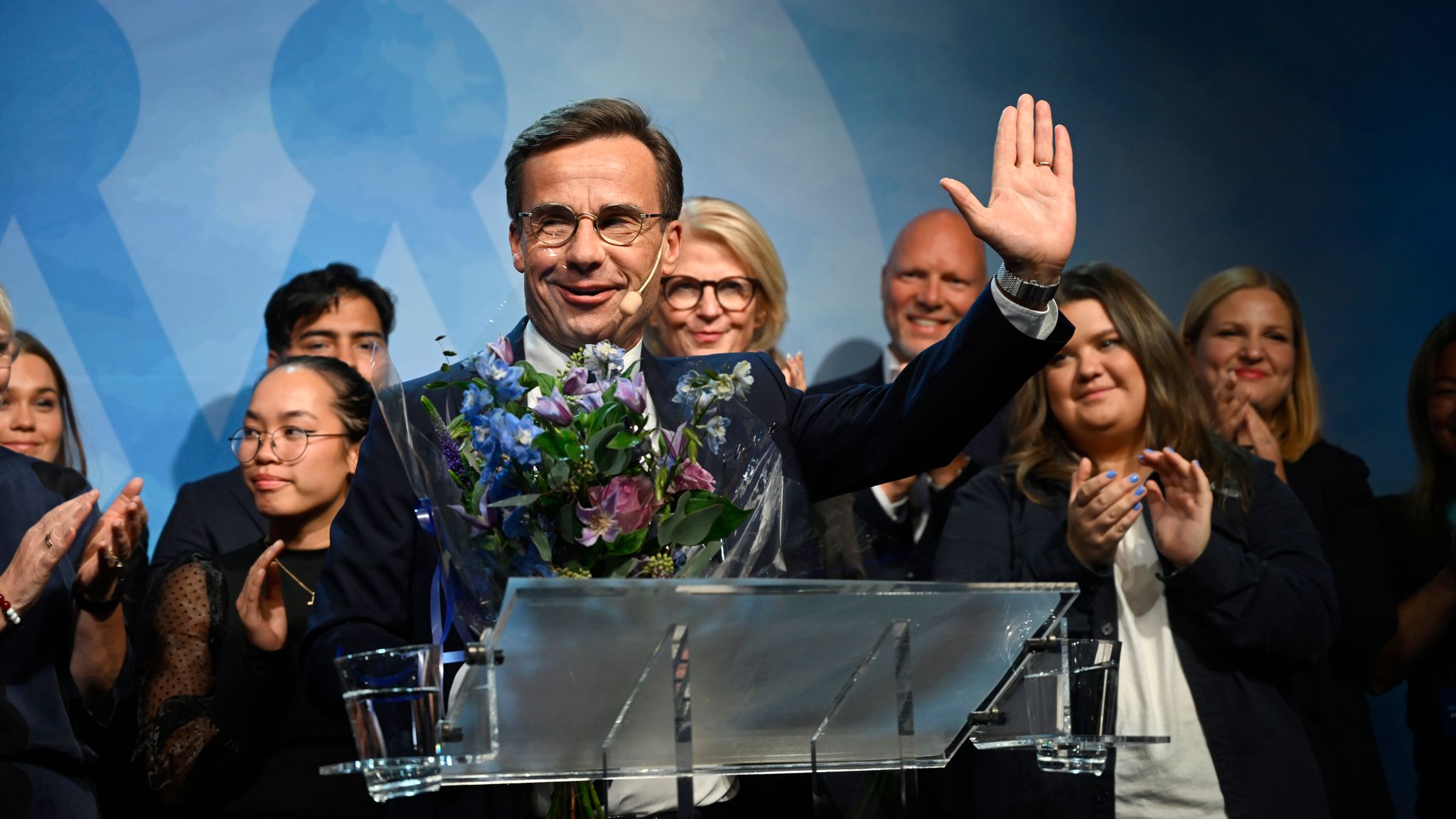
Sweden's general election on September 13, 2026, has seen a dramatic shift, with the centre-left bloc narrowly securing a three-seat majority in the 349-seat Riksdag, leading to the immediate resignation of Prime Minister Ulf Kristersson. This razor-thin victory puts Social Democrats leader Magdalena Andersson in line to reclaim the premiership, marking a significant political pivot for the Nordic nation. The outcome, decided by just over 50,000 votes, reverses the political landscape established after the 2022 election when Kristersson's right-wing bloc formed a minority government reliant on the far-right Sweden Democrats. Crucially, the Sweden Democrats, which had hoped for ministerial roles, experienced their first electoral setback since their inception, dropping from second to third largest party. This result, while a relief to many worried about the far-right's growing influence, heralds complex coalition talks as Andersson's diverse centre-left alliance faces internal divisions, especially between the Centre and Left parties, on key policy areas like nuclear energy and immigration. With Kristersson's resignation now formal, Speaker Andreas Norlén has initiated discussions with party leaders to navigate the intricate path of government formation. The coming weeks will be crucial as Andersson attempts to forge a stable ruling coalition, a process historically challenging in Sweden given its fragmented party system. Observers will be watching closely to see how the new government addresses pressing issues like the climate crisis, healthcare, and Sweden's role within the European Union and NATO, following its recent accession.