Syria's Military Unification: SDF Dissolves, But True Integration Faces Hurdles
Context mode is active. Hover over any highlighted term to see its definition. Click a nested term to go deeper.
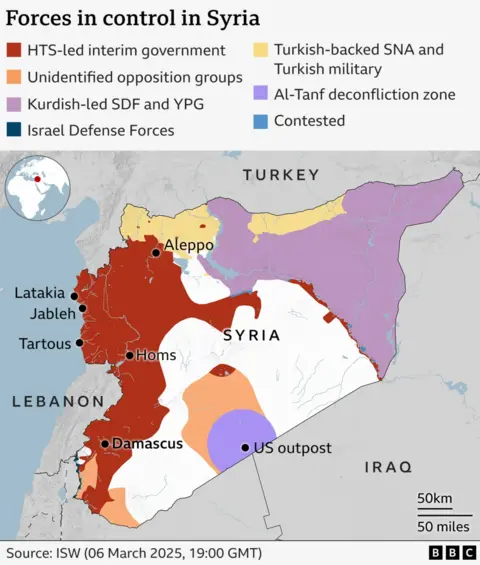
In a seismic shift for Syria's complex political landscape, the Kurdish-led Syrian Democratic Forces (SDF) officially announced its dissolution on August 25, 2026. This move sees the US-backed group, which once controlled a quarter of Syria, fully merge into state institutions, marking a significant victory for the Damascus government under interim President Ahmed al-Sharaa as it reasserts centralized authority. This dissolution culminates an integration agreement struck in January 2026, following a government offensive that saw Damascus reclaim vast swathes of northeastern Syria, aided by Arab tribal defections. With roughly 10,000 to 12,000 SDF fighters joining the Syrian Arab Army, and former SDF commanders like Mazloum Abdi taking key roles, the integration extends to civilian infrastructure, including vital oil fields, border crossings, and airports. The international community, including Turkey and France, has largely welcomed the development, seeing it as a step towards stability and national unity. However, the road to genuine military unification and lasting stability remains fraught with challenges. Deep-seated questions persist over developing a truly unified military doctrine, establishing effective command structures across disparate former factions, and ensuring long-term cohesion, especially concerning ideological divisions like the role of women within the national armed forces. As Damascus also navigates a reorganized military presence with Russia and addresses internal economic pressures, the true test of this 'unified' Syria will hinge on its ability to integrate diverse communities and overcome lingering grievances.