Taiwan Arms Deal Threatens US-China Summit as Xi Prepares Washington Visit
Context mode is active. Hover over any highlighted term to see its definition. Click a nested term to go deeper.
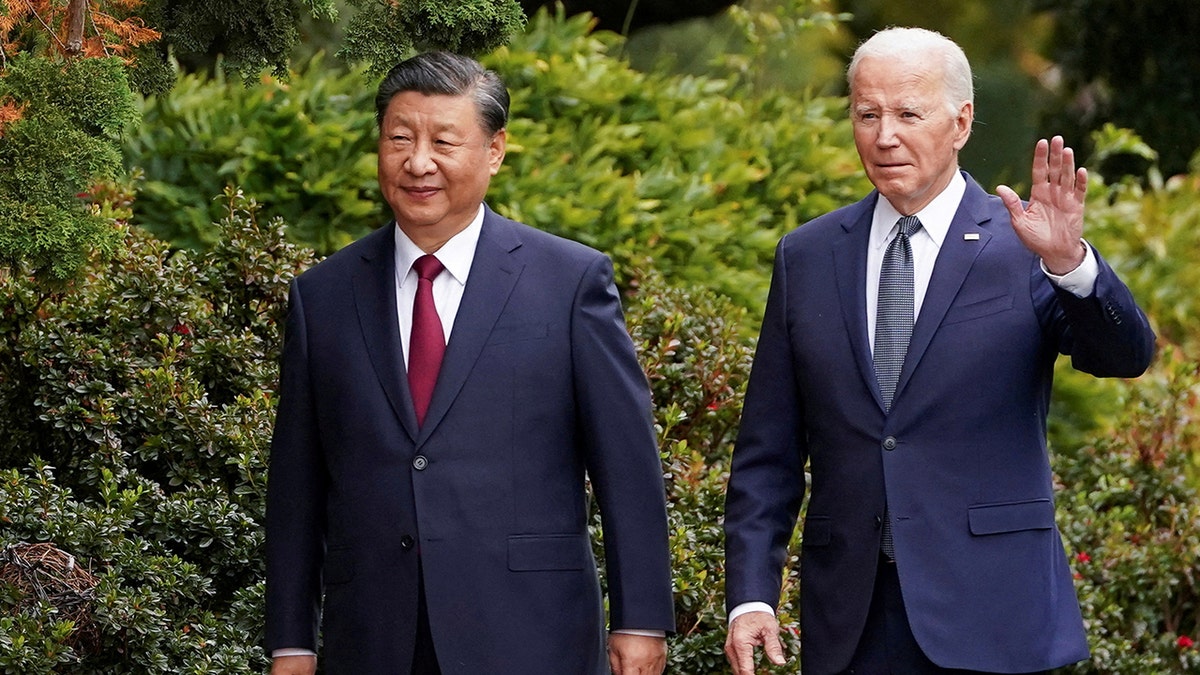
A high-stakes US-China Summit, set for September 24 in Washington D.C., hangs by a thread after Beijing issued a stern warning: approve new arms sales to Taiwan, and Chinese President Xi Jinping will call off his highly anticipated visit. President Donald Trump, however, remains unfazed, publicly stating he isn't worried about a cancellation, even as his administration weighs a massive $14 billion arms package for the self-governing island. This diplomatic showdown comes as US-China relations are already strained by the ongoing Iran War and looming trade disputes. Beijing has long considered Taiwan its 'red line,' viewing the democratic island as part of its territory and firmly opposing any foreign military support. Trump, on the other hand, has previously described arms sales to Taiwan as a 'bargaining chip' in dealings with China, adding another layer of complexity to the already fragile relationship. The proposed $14 billion deal follows an $11 billion package approved last December, and was reportedly paused earlier this year to ensure the US military had sufficient resources for the Iran War. Meanwhile, Taiwan itself is boosting its defense capabilities, increasing spending and developing its domestic drone industry, while the People's Liberation Army continues 'gray zone activities' around the island. As the September 24 summit approaches, the international community is watching closely to see if Washington will proceed with the arms deal and how Beijing will respond. The potential ripple effects across the Indo-Pacific are significant, with a top US diplomat in Taipei recently warning that a conflict over Taiwan would dwarf the global economic impact of World War II. The outcome will not only shape the immediate future of US-China relations but also determine the delicate balance of power and security in a critical global region.