Taiwan's Defense Spending Soars Past NT$1 Trillion Amid China Tensions
Context mode is active. Hover over any highlighted term to see its definition. Click a nested term to go deeper.
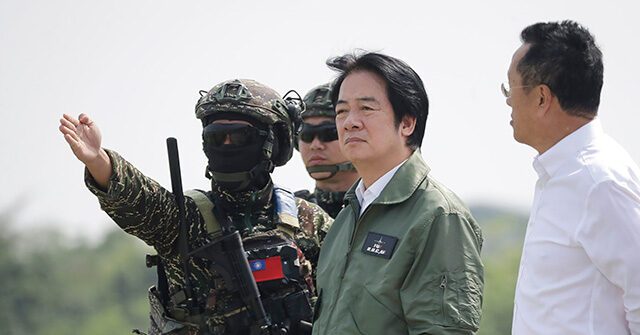
Taiwan's defense spending has hit an unprecedented high, with the Cabinet approving a substantial supplementary budget of NT$145.7 billion (approximately US$4.6 billion) on Thursday. This critical injection of funds pushes the island's total defense expenditure for 2026 beyond NT$1 trillion for the first time ever, a clear signal of Taipei's urgent push to bolster its defenses against mounting pressure from Beijing. The additional spending is largely earmarked for crucial asymmetric warfare capabilities, including drones, missile systems, and unmanned surface vessels. This latest move comes as Taiwan intensifies its 'porcupine strategy', a defensive doctrine focused on making any potential invasion by the People's Republic of China prohibitively costly through a dispersed array of smaller, more mobile, and numerous weapons systems. The approved supplementary budget addresses gaps left by opposition lawmakers who had previously cut NT$470 billion from an earlier NT$1.25 trillion special defense package in May, highlighting ongoing domestic political friction over defense priorities. Taiwan's President Lai Ching-te has consistently advocated for increased defense spending, viewing it as an investment in peace and a demonstration of the island's resolve to the international community. While the supplementary budget still awaits final approval from the Legislative Yuan, its passage is crucial for accelerating the procurement of domestically developed systems like the Strong Bow missile and vital uncrewed vehicles. This strategic financial commitment underscores Taiwan's determination to enhance its self-reliance and operational capabilities amid persistent military intimidation from Beijing. As cross-Strait tensions remain elevated, the world will be watching closely to see how this significant defense investment shapes regional stability and Taiwan's evolving defense posture.