Taiwan's Recycling Revolution: From 'Garbage Island' to Global Green Leader
Context mode is active. Hover over any highlighted term to see its definition. Click a nested term to go deeper.
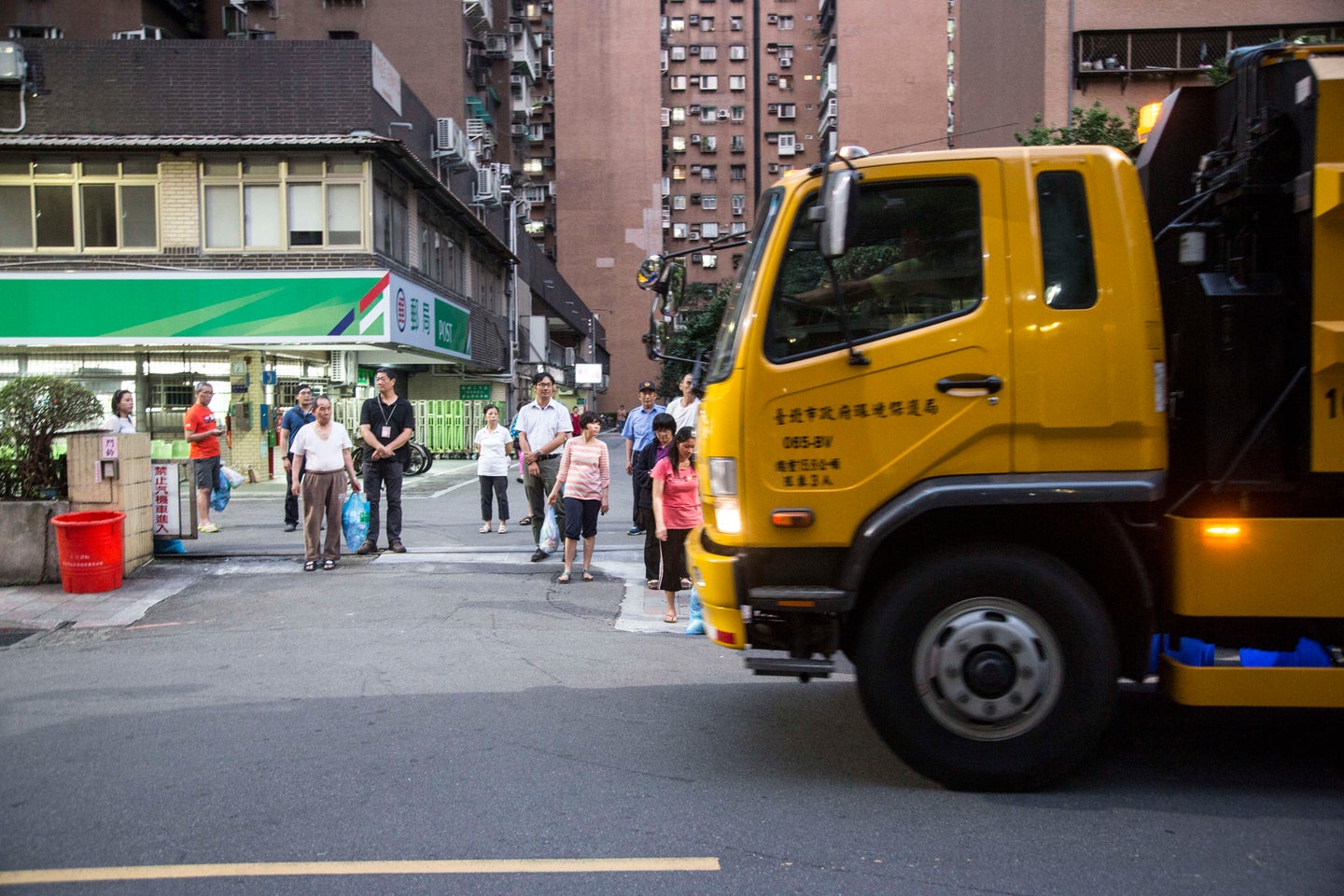
Taiwan, once known as 'Garbage Island' in the early 90s with a negligible recycling rate, has dramatically transformed its waste management. Today, the island boasts an impressive municipal waste recycling rate of nearly 60% as of 2024, driven by innovative policies like 'pay-as-you-throw' fees, compulsory household waste sorting, and its famous musical garbage trucks. This remarkable shift highlights a global benchmark for how effective government systems can change public behavior towards environmental responsibility. This success isn't just about bins and trucks; it's a strategic national pivot towards a circular economy. In June 2026, Taiwan Legislative Yuan passed the crucial Resource Circulation Promotion Act, redefining waste as a valuable resource and shifting policy from simple disposal to comprehensive life-cycle management, including product design and reuse. This move, alongside recent amendments to the Waste Disposal Act in August 2026, strengthens environmental enforcement and extends producer responsibility, aiming to double resource productivity and significantly boost the circularity rate. The nation's green industries are already thriving, contributing over US$15 billion to its economy last year. Looking ahead, Taiwan is set to unveil its 2050 Circular Economy Roadmap this year, solidifying its ambitious commitment to net-zero emissions and sustainable development. With cities like Taoyuan adopting the successful pay-as-you-throw system starting in 2026 and new incentives for electronics made with recycled plastics, the island is pushing for continuous improvement. Taiwan journey offers vital lessons for other nations grappling with waste, proving that a mix of strong policies, public participation, and smart incentives can turn a 'garbage island' into a beacon of sustainable living.