Taliban's Education Ban: 2.4 Million Afghan Girls Face 'Irreversible Harm'
Context mode is active. Hover over any highlighted term to see its definition. Click a nested term to go deeper.
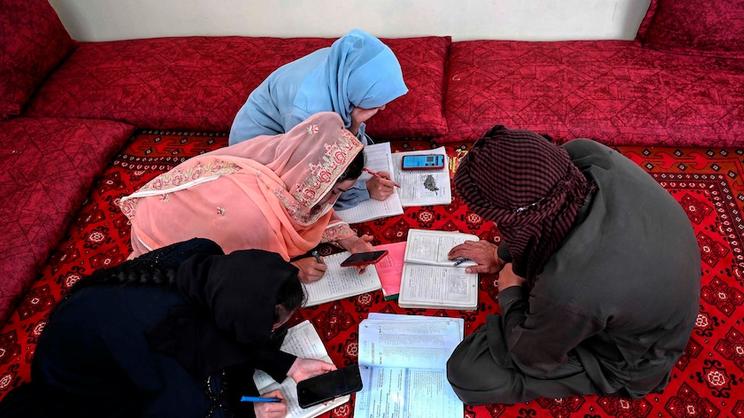
Five years after the Taliban seized power, UNESCO has delivered a stark warning: an estimated 2.4 million Afghan girls are now denied secondary education, a shocking increase from previous figures, risking 'irreversible harm' to their futures and Afghanistan long-term development. This makes Afghanistan the only country globally where girls and women are formally barred from schooling beyond primary levels, a policy that continues to draw widespread international condemnation. The Taliban draconian policies, implemented since March 2022 for secondary schools and December 2022 for universities, have completely reversed two decades of progress in girls' education. This systematic exclusion has not only sparked a deepening humanitarian crisis, with the UN even accusing the country of 'gender apartheid,' but also carries immense economic costs, potentially stripping 600,000 women from the workforce by 2066 and leading to billions in lost income. The ban also exacerbates the already dire shortage of female teachers and significantly increases the risk of early marriage for young girls. Despite repeated calls from the international community, including many Muslim-majority nations, to lift the restrictions, the de facto authorities maintain these are internal matters based on their interpretation of Islamic law. While organizations like UNESCO are trying to bridge the gap with community-based education and skills programs, these vital initiatives are no substitute for formal schooling. The world is now watching for any sign of a policy shift, but without it, an entire generation of Afghan girls faces a profoundly uncertain future.