Tawang Rushes to Brace for Glacial Lake Flood Threat Amid Rapid Glacier Melt
Context mode is active. Hover over any highlighted term to see its definition. Click a nested term to go deeper.
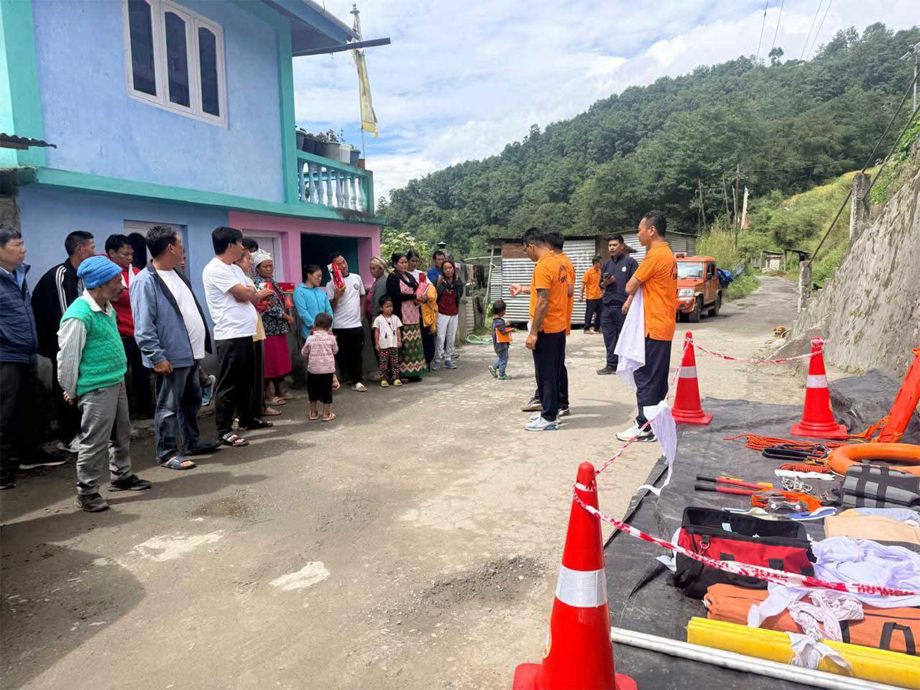
Arunachal Pradesh authorities are urgently preparing for potential Glacial Lake Outburst Flood (GLOF) in the Tawang district, after identifying seven high-risk glacial lakes in the Mago area. The Arunachal Pradesh State Disaster Management Authority (APSDMA), along with local district and state response forces, has launched an extensive awareness and training program for communities living downstream of these dangerous lakes. This proactive drive is a direct response to the escalating threat posed by rapidly melting glaciers in the vulnerable Himalayan region. The increased GLOF risk is a stark reminder of how climate change is impacting mountain ecosystems, leading to new lake formations and the expansion of existing ones. Six of the seven newly identified high-risk lakes in Mago share a single downstream drainage system, putting villages like Duri directly in harm's way. This urgent action follows the catastrophic GLOF event at South Lhonak Lake in Sikkim in October 2023, which highlighted the devastating potential of such floods and prompted a national push for improved preparedness. Teams from the APSDMA, District Disaster Management Authority (DDMA) Tawang, and State Disaster Response Force (SDRF) are currently conducting practical sessions on first aid, search and rescue, and evacuation drills in Mago village and other vulnerable settlements, including Indian Army and ITBP camps. The program, which will expand to areas like Phonda and Chaksam, emphasizes locally appropriate early warning systems and clear evacuation routes to save lives and property. As glaciers continue to recede, continuous monitoring and community-level preparedness remain critical to building resilience against future GLOF events.