Telangana's Electoral Roll Shake-Up Faces BRS Backlash: KTR Demands Deadline Extension
Context mode is active. Hover over any highlighted term to see its definition. Click a nested term to go deeper.
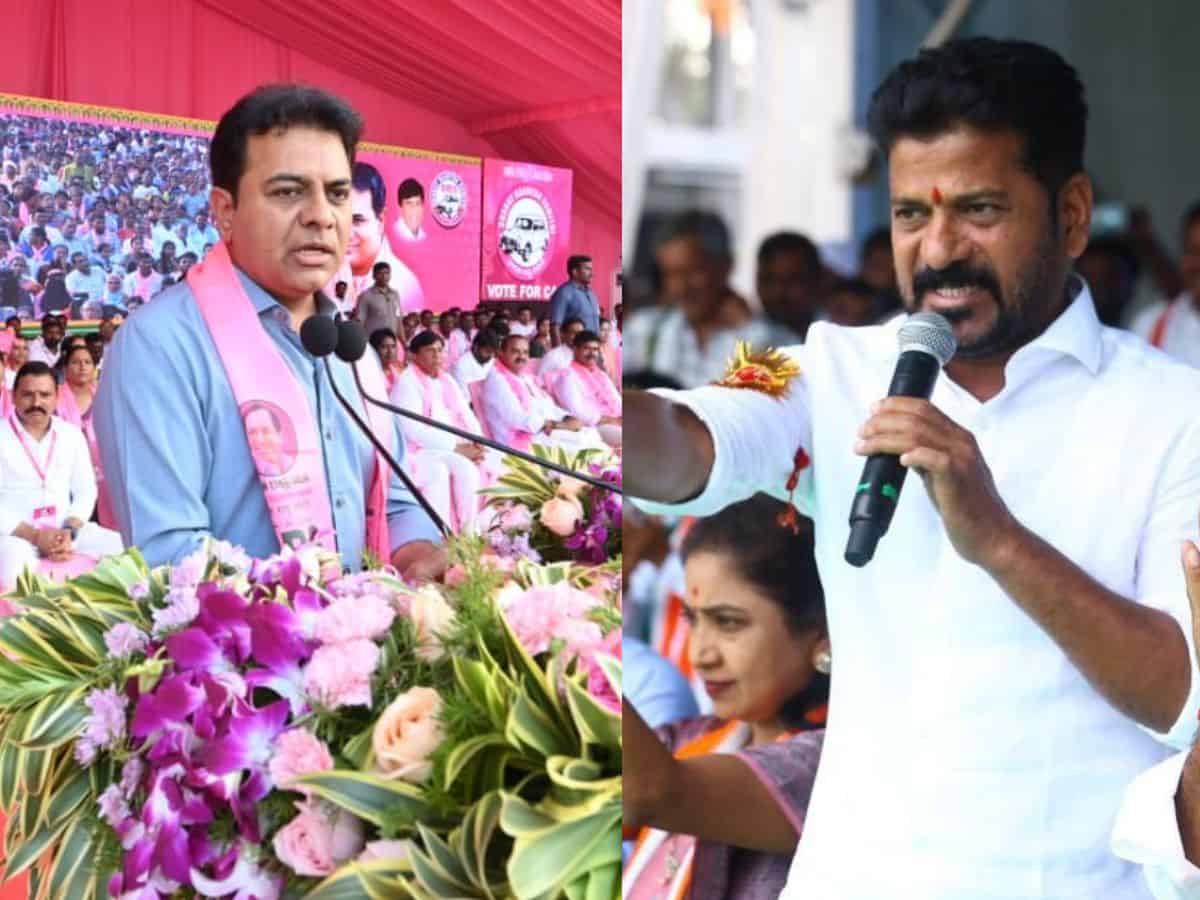
K.T. Rama Rao (KTR), the Working President of Bharat Rashtra Samithi (BRS), has sharply criticized the ongoing Special Intensive Revision (SIR) of electoral rolls in Telangana, demanding an extension beyond the July 24 deadline. Citing alleged failures by Booth Level Officers (BLOs) to properly educate voters, KTR highlighted that a mere 7% of the enumeration forms distributed have been submitted so far, casting serious doubt on the process's integrity and completion within the current timeframe. This comes as the state, gearing up for a crucial electoral cleanup, faces scrutiny over the foundational democratic exercise. The stakes are high as the SIR aims to update and purify the electoral rolls, a process vital for fair and accurate elections, which is especially critical given that Telangana next Assembly elections are anticipated in 2029. The BRS, now in opposition, is actively challenging the Election Commission of India (ECI) on what it perceives as critical shortcomings in voter education and implementation, further alleging that the ECI is overlooking widespread duplicate entries across state borders. KTR party has already lodged a memorandum with the State Chief Electoral Officer and plans to escalate the demand directly to the ECI in New Delhi, signaling a broader political confrontation over voter disenfranchisement and electoral integrity. With the current deadline looming, all eyes are on the Election Commission to see if it will concede to the BRS demand for an extension and address the concerns regarding BLO performance and interstate duplicate entries. The outcome will not only impact millions of potential voters but also shape the political narrative in Telangana ahead of future elections. Watch for the BRS delegation's meeting with the ECI and any official response regarding the July 24 deadline and the broader 'one person, one vote, one location' principle.