Tesla Invites Businesses to Operate Driverless Cybercab Fleets Amid Robotaxi Rollout
Context mode is active. Hover over any highlighted term to see its definition. Click a nested term to go deeper.
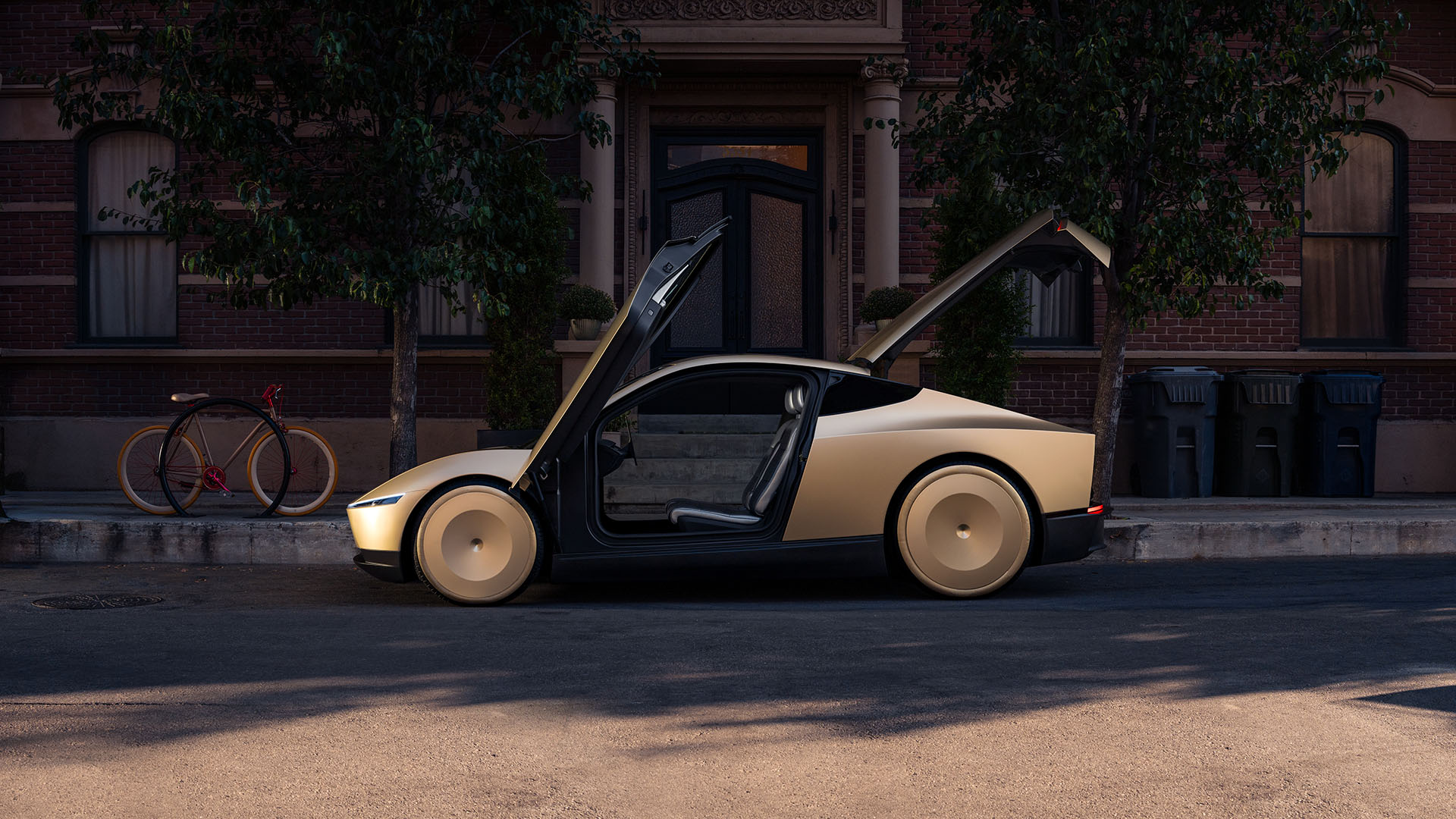
Tesla has officially launched its highly anticipated Cybercab robotaxi service for paying customers in Austin, Texas, and is now inviting businesses to purchase and manage their own Cybercab fleets. This marks a significant shift in Tesla strategy, moving beyond solely in-house operations to a model that seeks third-party involvement to quickly scale its ambitious driverless ride-hailing network. The futuristic two-seater vehicles, lacking a steering wheel or pedals, are designed for full autonomy and aim to redefine urban transportation. This move comes as Tesla faces intense competition in the rapidly growing robotaxi market, with major players like Waymo and Zoox already expanding their services. While Tesla CEO Elon Musk had previously hinted at individual owners earning income by deploying their self-driving cars, the current focus on businesses suggests a more structured approach to overcome operational and regulatory hurdles. The company also announced a milestone of 1 million unsupervised autonomous miles with its existing Robotaxi fleet, demonstrating advancements in its Full Self-Driving technology, even as initial Cybercab deployment remains limited to specific areas. Looking ahead, the success of this new fleet operator model will depend heavily on regulatory approvals, the pace of Cybercab production, and how effectively Tesla can support these external businesses. With the Cybercab set for display in major Asian cities soon, Tesla is clearly pushing for global reach, but challenges remain in transforming its innovative vehicles into a profitable, large-scale autonomous transportation business. Watch for further details on pricing, delivery timelines, and how this strategy impacts the broader competitive landscape.