Texas Reversal: Abbott Leads Republican Backlash Against Data Centers Amid Re-election Fight
Context mode is active. Hover over any highlighted term to see its definition. Click a nested term to go deeper.
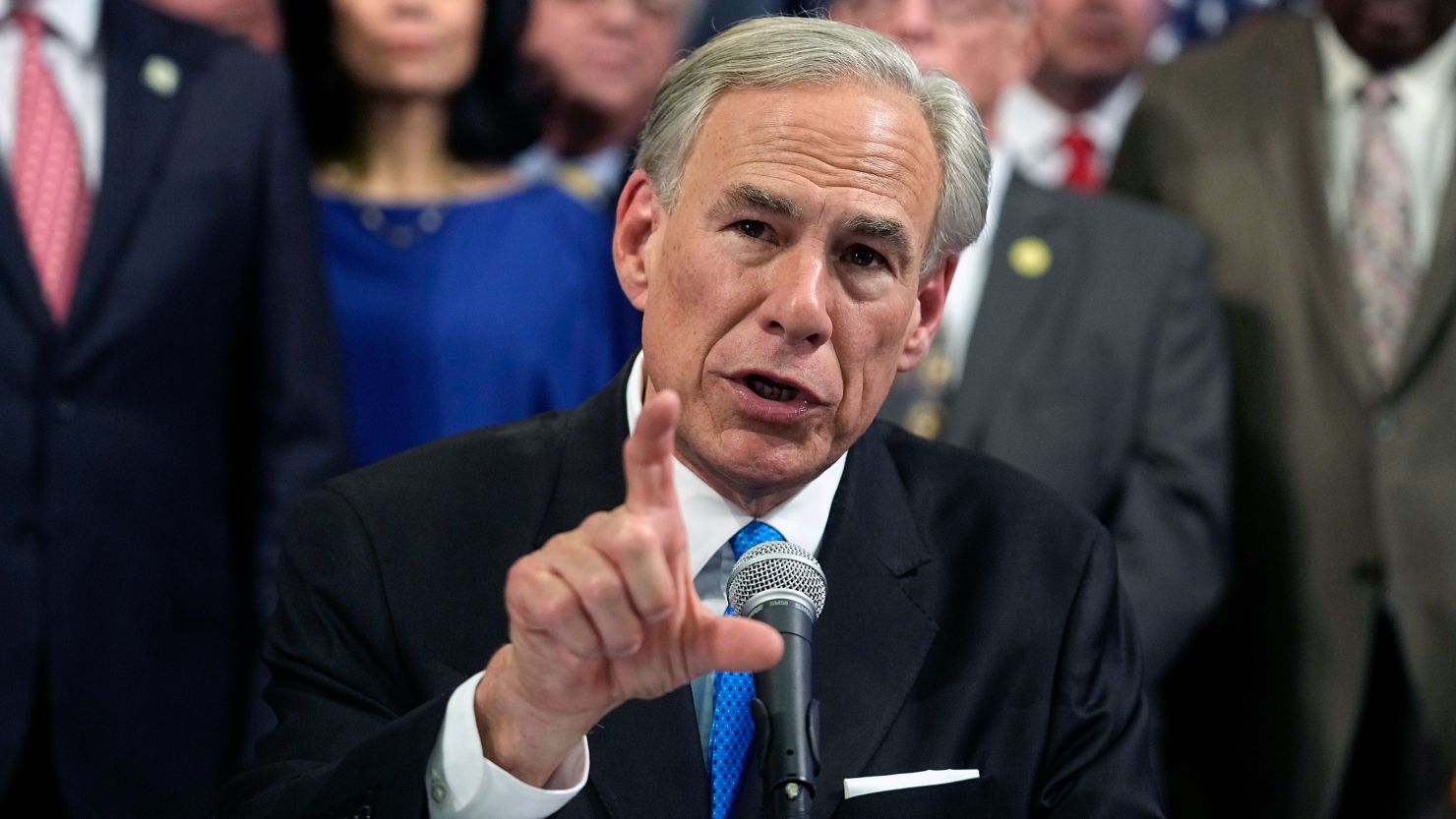
Texas Governor Greg Abbott, once a champion of the state as an 'epicenter of AI development,' has dramatically reversed course, now pushing for sweeping new restrictions and a temporary pause on data center approvals as he fights for re-election in November. This sudden shift puts the Republican governor at odds with former US President Donald Trump pro-AI agenda and highlights a growing bipartisan backlash against the energy and water-hungry facilities nationwide. The move signals a seismic change in the political landscape for big tech in the Lone Star State and beyond. The pivot comes amid intense local opposition fueled by public concerns over skyrocketing electricity costs, massive water consumption, and the impact on rural communities. Recent polls show that over 70% of Americans, including a majority of Texans, oppose new data centers in their neighborhoods, pushing Democrats like Abbott's opponent, Gina Hinojosa, to make the issue central to their campaigns. Data centers in Texas alone are projected to consume up to 9% of the state's total water by 2040, adding strain to already limited resources. In response, Abbott has directed the Public Utility Commission of Texas and ERCOT to audit all data centers, effectively halting new grid connections until stricter 'guardrails' requiring companies to pay for their own infrastructure, generate power, and reuse water are met. As the 2026 Midterm Elections approach, this Texas-led revolt is echoing across the country, with Republicans in states like Michigan and Wisconsin also distancing themselves from Trump's development-first approach, recognizing data centers as a 'politically radioactive' issue. The outcome in Texas could set a precedent for future regulations, potentially reshaping the economic models of major tech players who have invested billions in AI infrastructure. With more than $286 billion in AI projects already delayed or canceled nationally due to community pushback, the stakes for the tech industry, and for voters concerned about their local resources, have never been higher.