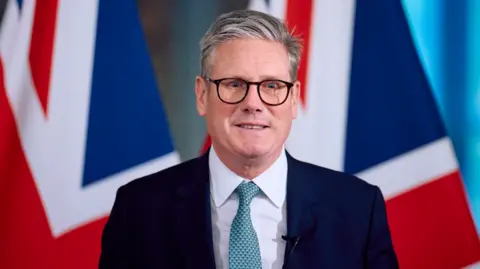
The Latest: UK Prime Minister Keir Starmer quits and will stay on until successor is chosen
Context mode is active. Hover over any highlighted term to see its definition. Click a nested term to go deeper.
Keir Starmer sudden resignation as UK Prime Minister and Labour Party leader on Monday, June 22, 2026, marks a seismic shift in British politics, ushering in the country's seventh leader in just over a decade. This move, fueled by immense internal party pressure after recent crushing local election losses and plummeting approval ratings, paves an almost clear path for Andy Burnham, the 'King of the North', to take the helm. Starmer's departure culminates months of a growing leadership crisis, exacerbated by public dissatisfaction over his government's delivery, criticism of his handling of global conflicts, and the controversial Peter Mandelson appointment scandal. The vacuum he leaves behind highlights a deeply fragmented UK political landscape, where traditional two-party dominance is eroding, and populist forces like Reform UK are rapidly gaining ground, as evidenced by their strong showing in May's local elections. Burnham's strategic return to Parliament via a by-election in Makerfield just last week underscores the urgency within Labour to find a leader capable of reversing their fortunes amidst a challenging economic backdrop of high debt and brittle public services. With former rival Wes Streeting endorsing Burnham, a rapid 'coronation' appears increasingly likely, potentially seeing the new Prime Minister in Downing Street by mid-July, well before the scheduled September 1 deadline for a contested election. The Labour Party National Executive Committee is expected to formalize the leadership contest timeline, with nominations opening July 9 and closing July 16. All eyes will now be on Burnham to swiftly form a cabinet and articulate his vision, especially concerning the UK economic headwinds and its stance on ongoing international instabilities.