The men who walk beside elephants in Karnataka’s forest camps
Context mode is active. Hover over any highlighted term to see its definition. Click a nested term to go deeper.
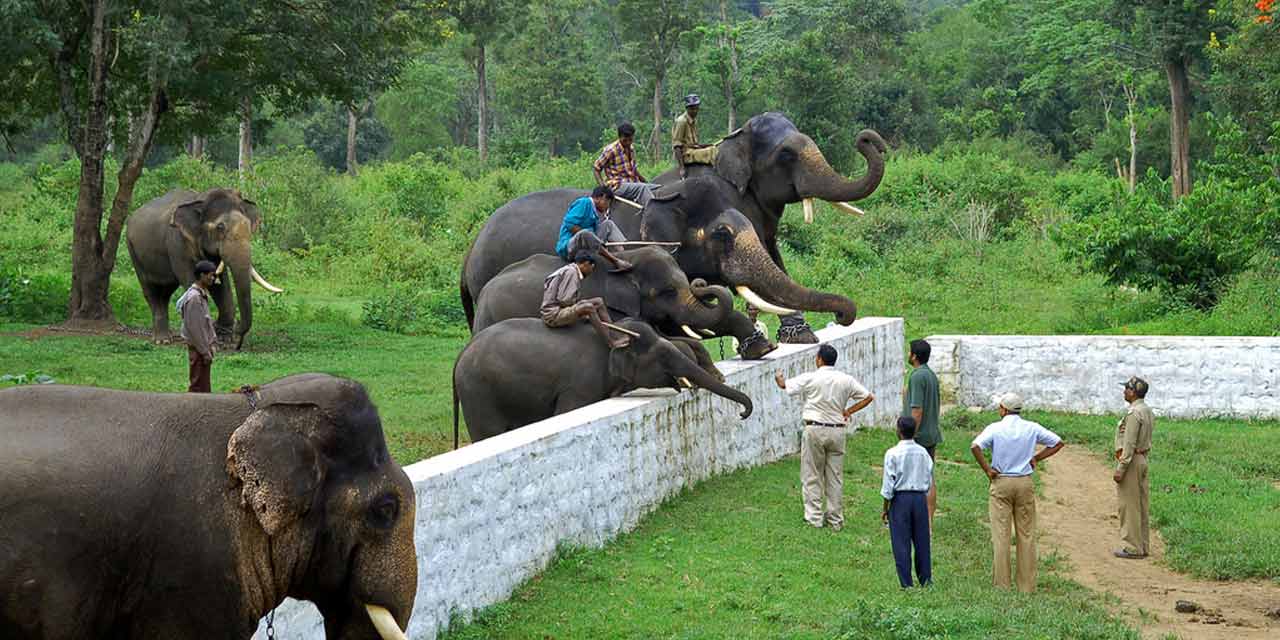
The long-standing, often romanticized bond between mahouts and Karnataka's captive elephants has been abruptly re-evaluated following the tragic death of a tourist at the Dubare Elephant Camp in May 2026. This incident, which also claimed the life of an elephant, Marthanda, during an interaction, prompted the Karnataka government to immediately ban close-contact tourism activities and mandate a stringent 100-foot safety distance, ushering in a new era of regulated engagement at all state elephant camps. The Dubare tragedy has magnified existing concerns over the welfare of captive elephants, the immense risks undertaken by mahouts, and the escalating human-elephant conflict across Karnataka. Just weeks after the Dubare incident, the Sakrebailu Elephant Camp mourned the death of mahout Siddiq Pasha in June 2026, further underscoring the perilous realities faced by these custodians of India's pachyderms. Critics argue that the state's elephant camps, some exceeding recommended capacity and facing veterinary support challenges, are under increasing pressure from both tourism demands and their crucial role in kumki operations and conflict mitigation. This delicate balance is further strained by an alarming rate of elephant deaths in camps like Mathigodu, highlighting systemic issues in management and care. In response, the Karnataka Forest Department, under Minister Eshwar B Khandre, is fast-tracking comprehensive Standard Operating Procedure (SOP) for tourist safety and elephant welfare, while concurrently exploring long-term solutions to human-elephant conflict. Initiatives include a proposed five-year, ₹1,500 crore Human-Animal Conflict Mitigation Programme, the establishment of a soft-release centre for wild elephants, and the notification of an elephant corridor policy, alongside ongoing efforts with the Indian Institute of Science for landscape-level conservation. These measures aim to recalibrate the state's approach, seeking a sustainable coexistence amidst growing pressures on both human and elephant populations.