The Two Faces of Intellectual Humility: One Boosts Joy, One Fuels Anxiety
Context mode is active. Hover over any highlighted term to see its definition. Click a nested term to go deeper.
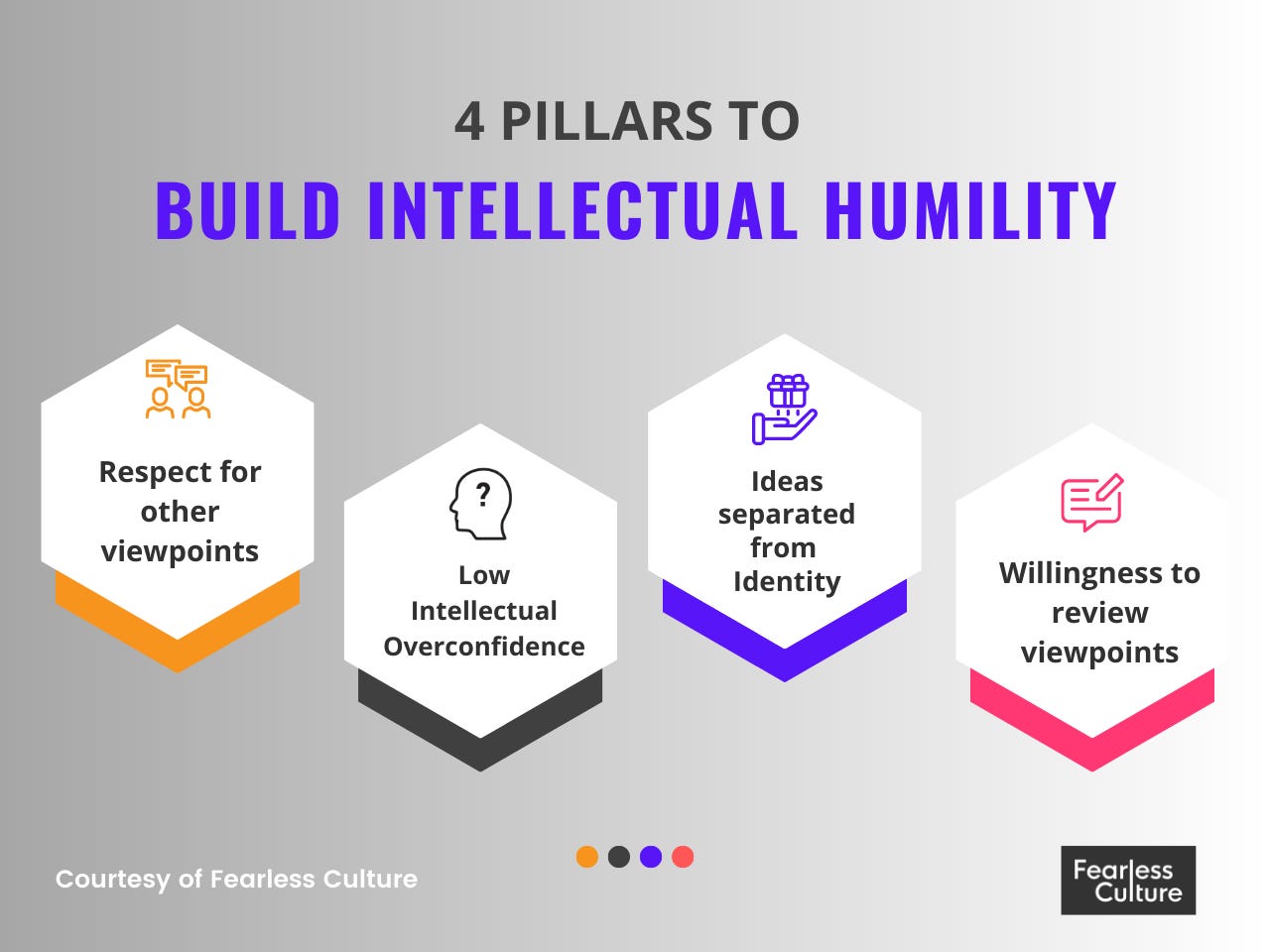
A groundbreaking new study just published in the Personality and Social Psychology Bulletin reveals that not all forms of intellectual humility are created equal when it comes to our mental well-being. Researchers found that while truly valuing the knowledge and perspectives of others can significantly boost life satisfaction, a constant inward focus on one's own intellectual shortcomings is actually linked to higher anxiety and depression. This challenges the long-held idea that intellectual humility is always a straightforward good for our minds. This nuanced understanding, spearheaded by Michael Prinzing of Wake Forest University and his colleagues, breaks down intellectual humility into two distinct types: 'interpersonal' and 'metacognitive'. Prior research often lauded intellectual humility as a universally positive trait, fostering better social interactions and open-mindedness in a polarized world. However, this latest work highlights a critical distinction: the outward-facing aspect of respecting others' ideas contributes to feelings of meaning and less distress, while the self-focused, self-critical side can ironically undermine emotional health. The study, spanning two years and involving thousands of participants, offers strong observational data suggesting these contrasting effects. While the study's observational nature means we can't definitively claim a direct cause-and-effect relationship, the researchers suggest it's less likely that poor mental health causes one to focus more on intellectual flaws. This finding urges individuals to cultivate a more balanced form of intellectual humility, leaning into respectful engagement rather than excessive self-doubt. Moving forward, mental health professionals and educators might need to re-evaluate how they encourage intellectual virtues, emphasizing the social dimensions that truly enhance well-being and acknowledging the potential pitfalls of overthinking one's own intellectual limitations. This fresh perspective could reshape how we approach personal growth and the pursuit of knowledge.