TikTok's Relaxed Ad Rules Fuel Scam Explosion, Raising Profit Over Safety Concerns
Context mode is active. Hover over any highlighted term to see its definition. Click a nested term to go deeper.
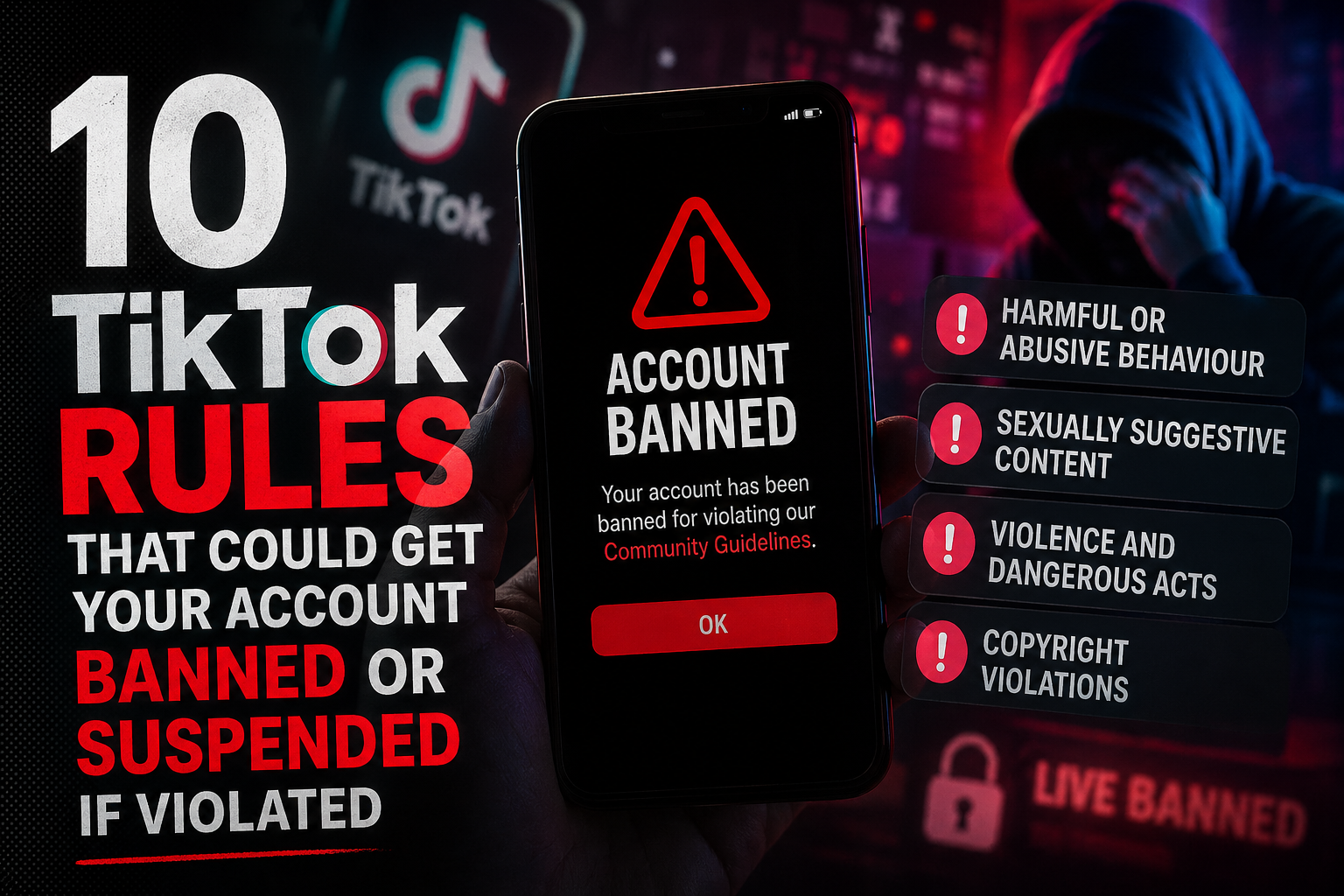
TikTok quiet decision last year to loosen its advertising rules has sparked an alarming surge in online scams, particularly impacting American users, with internal sources indicating the shift was a calculated move to boost revenue. A recent Forbes investigation, backed by internal documents and whistleblower accounts, reveals that this policy change, enacted in late 2025, has effectively 'defanged' the platform's ability to police fraudulent ads, leading to a massive spike in schemes selling fake products that never arrive. Data shows a 142% increase in TikTok-related scam reports to the Better Business Bureau, and over 200% for non-delivery scams, underscoring a critical failure in user protection amidst the platform's aggressive pursuit of growth. This aggressive push for ad revenue by TikTok parent company, ByteDance, comes at a high cost to consumer trust and safety, especially as non-delivery scams alone cost Americans an estimated $5.6 billion in 2024. While TikTok boasts about its new AI-powered advertising tools and the expansion of its ad network, Pangle, into the US market to capture more advertiser spend, the underlying laxity in its core ad content policies is being scrutinized globally. European consumer groups have already filed formal complaints with the European Commission under the Digital Services Act, citing TikTok significantly lower rate of ad removal compared to rivals like Meta and Google. The platform's internal anti-fraud systems reportedly lack provisions for non-delivery scams, leaving moderators powerless to act on many reported incidents. Looking ahead, TikTok faces mounting pressure from international regulators, with the Singapore Police Force implementing new guidelines by January 2027 that mandate social media platforms prevent and promptly remove scam ads. The key challenge for TikTok and ByteDance will be to reconcile their ambitious ad revenue targets—ByteDance reportedly saw $120 billion in revenue in the first half of 2026—with their responsibility to safeguard users from rampant fraud. The global regulatory landscape is tightening, and TikTok choices in balancing profit with platform integrity will determine its standing in the eyes of both users and governments worldwide.