Tripura Blockade Ends: Ex-Militants Lift Protest After Government Assurances
Context mode is active. Hover over any highlighted term to see its definition. Click a nested term to go deeper.
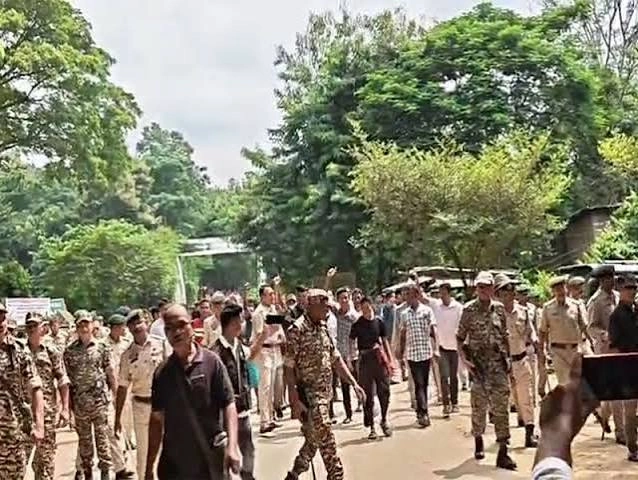
A 72-hour rail and road blockade that crippled Tripura for two days was abruptly called off on Saturday evening, September 5, after former militant groups received assurances from the state government. The protest, organized by the All Returnees' Rehabilitation Committee, had severely impacted transport and daily life, demanding the swift implementation of a 2024 tripartite peace agreement and other key rehabilitation promises. Under the banner of the ARRC, representing seven surrendered militant outfits including factions of the National Liberation Front of Tripura (NLFT) and All Tripura Tiger Force (ATTF), the former rebels pressed for an 11-point charter of demands. These included critical provisions like economic rehabilitation, land rights for indigenous people, and the withdrawal of pending cases against their cadres, many of whom claim to be still awaiting official recognition despite laying down arms two years ago. The blockade, which effectively cut off the state's lifeline, the Assam-Agartala National Highway, also halted several Northeast Frontier Railway services, causing widespread public hardship. The sudden lifting of the blockade followed hectic negotiations between the militant leaders, like Jibanjoy Reang, and senior state officials, including West Tripura District Magistrate Vishal Kumar. The state government, led by Chief Minister Manik Saha, who had recently met Union Home Minister Amit Shah, reiterated its commitment to fulfilling the accord's promises in a 'time-bound manner.' With elections to the Village Committees of the Tripura Tribal Areas Autonomous District Council (TTAADC) approaching on September 28, all eyes will be on whether these assurances translate into concrete action to prevent future unrest.