Trump Administration Pays Out $100 Billion in Tariff Refunds, Faces New Legal Storm
Context mode is active. Hover over any highlighted term to see its definition. Click a nested term to go deeper.
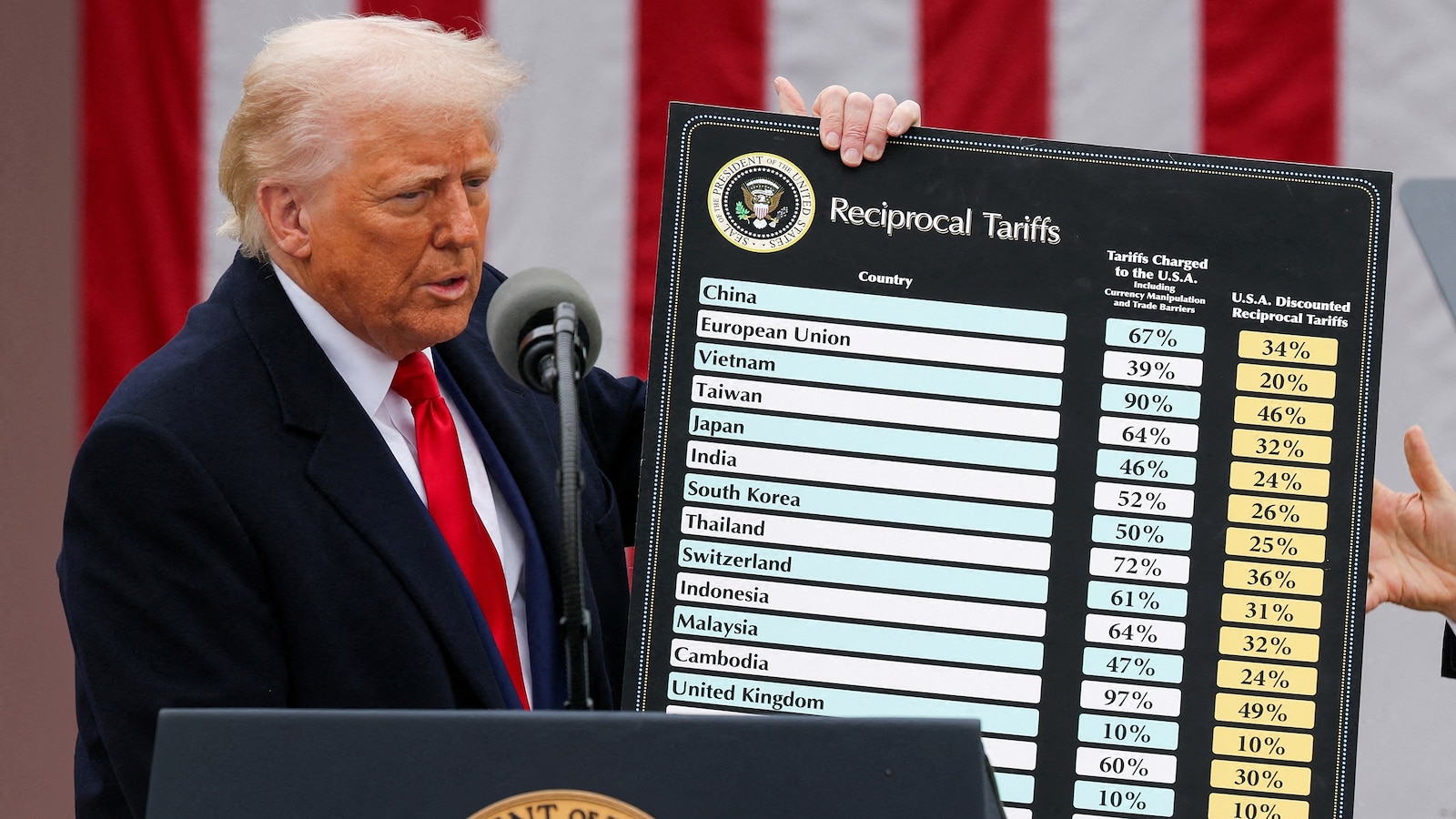
The Trump administration has now processed a staggering $100 billion in tariff refunds to American businesses, marking a significant milestone in returning duties collected under a previous round of tariffs that the US Supreme Court struck down as illegal in February 2026. This payout represents over half of the $166 billion that was unlawfully collected, offering a substantial financial boost to thousands of importers. However, this relief comes amidst fresh controversy, as the administration simultaneously faces new lawsuits from 25 states challenging its latest wave of tariffs imposed under Section 301, which critics argue are a pretext to replace the invalidated duties. The Supreme Court's 6-3 decision earlier this year ruled that the International Emergency Economic Powers Act (IEEPA), which the administration had used to levy broad global tariffs, did not grant the president the authority to impose such taxes, a power reserved for Congress. Following this ruling, the US Customs and Border Protection (CBP) launched a phased system, Consolidated Administration and Processing of Entries (CAPE), to manage the refunds, with over $71 billion disbursed in May and June alone. While some businesses, like Amazon, have received hundreds of millions in refunds, the economic impact is uncertain, as experts question how much of this will benefit consumers rather than merely padding corporate profits or offsetting other rising costs. Looking ahead, the remaining $66 billion in refunds is still being processed, with many eligible companies urged to file claims through the CBP digital portal. Simultaneously, the legal battle over the new Section 301 tariffs is intensifying, with 25 states arguing that these duties are an illegal overreach of presidential power and seeking their immediate cessation and further refunds. This ongoing judicial and political tug-of-war ensures that the future of US trade policy, and the financial landscape for importers, remains highly unpredictable.