Trump Administration's Funding Power Grab Sparks GOP Outrage, Deepens Capitol Hill Rift
Context mode is active. Hover over any highlighted term to see its definition. Click a nested term to go deeper.
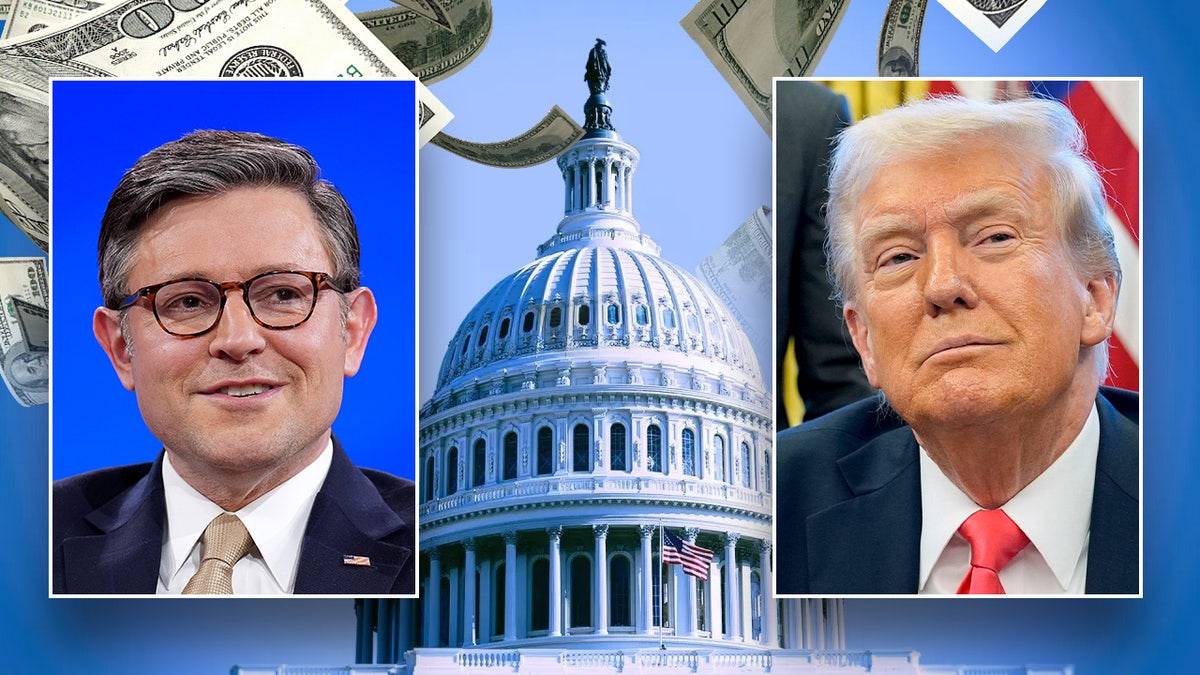
A fierce power struggle is gripping Washington as Republican lawmakers openly challenge President Donald Trump administration for repeatedly overriding their decisions on how federal money should be spent. Lawmakers are fuming over the administration's alleged use of 'pocket rescissions' and other tactics to withhold funds, a move they say bypasses Congress's constitutional authority over spending. The clash, intensifying as midterms approach, centers on who truly holds the 'power of the purse' – Congress or the President's Office of Management and Budget. This isn't a new fight. White House budget director Russ Vought, a key architect of the administration's fiscal strategy, has faced accusations of illegally impounding billions in congressionally approved funds, a practice the Government Accountability Office (GAO) has repeatedly deemed unlawful. Senators like Chuck Grassley have publicly chastised Vought for delaying cash for critical programs, from anti-poverty services to foreign assistance. The administration's controversial plan to put political appointees in charge of approving federal grants, circumventing the objective peer-review process, further fuels lawmakers' outrage. The stakes are high, with Congress moving to pass a bipartisan government funding bill aimed at temporarily blocking the administration's grant maneuvering, which President Trump is expected to sign to avoid a shutdown. However, the fight isn't over. Just this month, Hal Duncan, the newly confirmed Deputy Director of the Office of Management and Budget, indicated he wouldn't rule out using any 'fiscal tools' – including the legally contested pocket rescissions – signaling the administration's intent to continue pushing its authority. House Appropriations Chair Tom Cole and Senator Lisa Murkowski remain vigilant, ready to push back against any further attempts to strip Congress of its fundamental spending power.