Trump Declares 'Energy Ceasefire' as Ukraine Reports Continued Russian Strikes
Context mode is active. Hover over any highlighted term to see its definition. Click a nested term to go deeper.
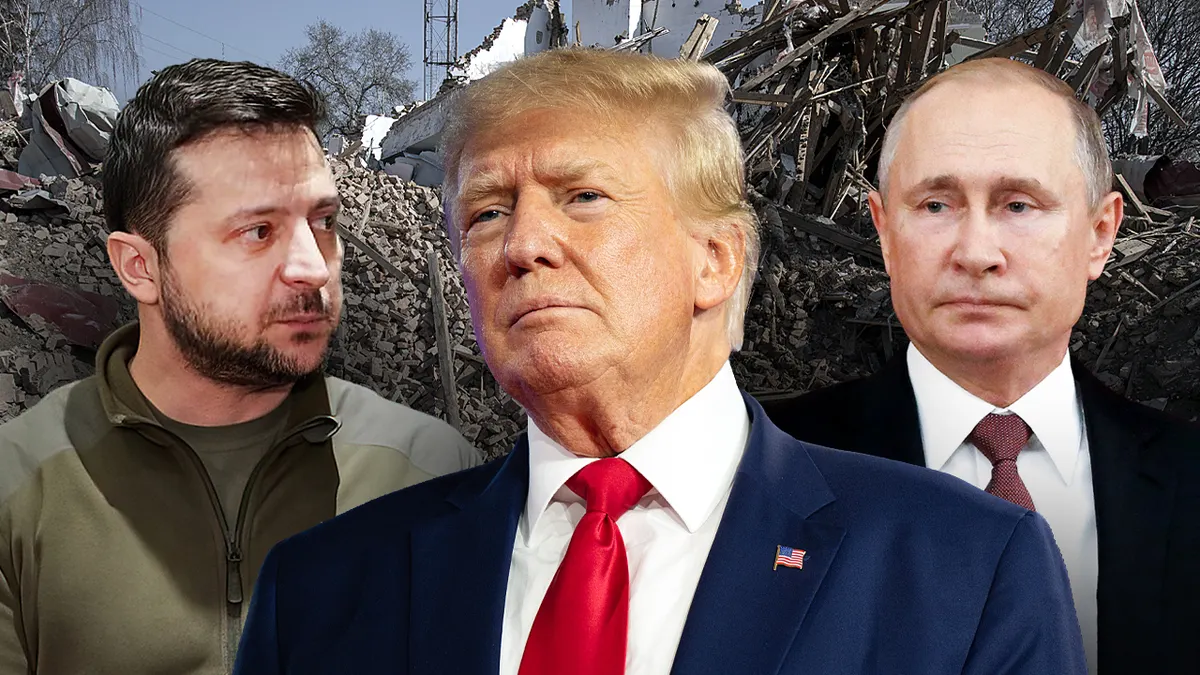
In a head-spinning development, former US President Donald Trump unilaterally declared an immediate 'energy ceasefire' between Russia and Ukraine on Sunday, claiming both sides had agreed to halt attacks on energy infrastructure. However, Ukrainian President Volodymyr Zelenskyy swiftly countered that the announcement was 'news to him' and Russian forces continued to pound Ukrainian energy facilities in Kyiv and Kharkiv just hours after Trump's social media post. The Kremlin, notably, remained silent, offering no official confirmation of any such agreement, leaving the global community grappling with the reality on the ground. This dramatic announcement comes hot on the heels of Trump's recent deal with Russian President Vladimir Putin to release Russian diesel into global markets, a move facilitated by the US Treasury Department Office of Foreign Assets Control (OFAC) issuing General License 135. The decision, which temporarily lifts sanctions on Russian diesel until April 2027, drew sharp criticism from Ukraine and European officials who argue it bolsters Moscow's war chest. Trump had also publicly blamed Zelenskyy for rising US diesel prices and urged Ukraine to stop its effective drone attacks on Russian oil refineries, even suggesting Ukraine needed 'a new leader'. Zelenskyy, in turn, reiterated Ukraine's readiness for a reciprocal halt if Russia ceased its 'brutal' strikes. The immediate aftermath of Trump's declaration saw no genuine de-escalation, with Russian drones and glide bombs continuing their relentless assault on Ukraine's power plants, including a thermal power plant in Kharkiv. The legal standing of Trump's 'ceasefire' without official confirmation from the belligerents remains highly ambiguous. With winter approaching, and Russian attacks on critical infrastructure intensifying – evidenced by over 200 attacks this past week alone – the prospects for a genuine energy truce appear dim, further complicating the already strained international diplomatic landscape.