Trump Dismisses 'Russian Attack' on German Airport as NATO Allies Warn of Escalation
Context mode is active. Hover over any highlighted term to see its definition. Click a nested term to go deeper.
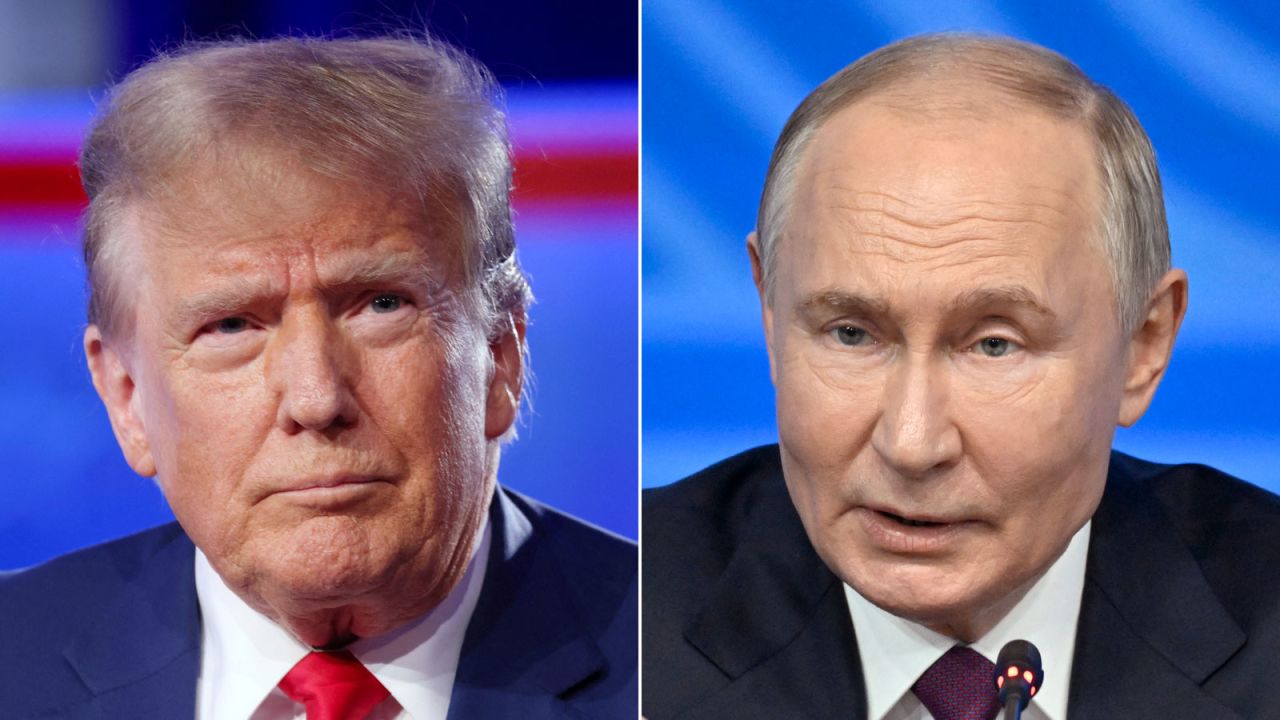
US President Donald Trump has dismissed claims that Vladimir Putin is looking to attack NATO territory, even as Germany and its allies, including the UK, explicitly blame Russia for a recent attempted explosive drone strike on Leipzig/Halle Airport. Trump's comments, made today, contradict the unified stance of European nations which have unequivocally attributed the August 4 incident to Moscow, raising fresh concerns about the transatlantic alliance's unity. The drone attack on the critical logistical hub for Ukrainian aid and NATO operations has been branded a 'hybrid attack' by Berlin, which promptly retaliated by closing Russia consulate general in Bonn and terminating leases for the Russian House for Science and Culture in Berlin. This move comes amidst growing allied warnings that Russia is engaged in a widespread campaign of sabotage and destabilization across Europe, aiming to undermine support for Ukraine and test NATO resolve. The UK government, echoing the sentiment across the European Union, summoned a senior Russian diplomat to formally protest what it called an 'egregious and reckless attack'. Trump's repeated insistence that he knows Putin 'very well' and that the Russian leader has no intention of attacking NATO territory directly challenges the alliance's fundamental principle of collective security and its Article 5 commitment. As intelligence agencies continue to warn of potential Russian escalations, the chasm between Washington and its European partners over the nature of the threat could have profound implications for future responses to Russian aggression and the very future of NATO.