Trump Eyes Belarus Potash Amid Canada Trade Spat, Sparks Geopolitical Row
Context mode is active. Hover over any highlighted term to see its definition. Click a nested term to go deeper.
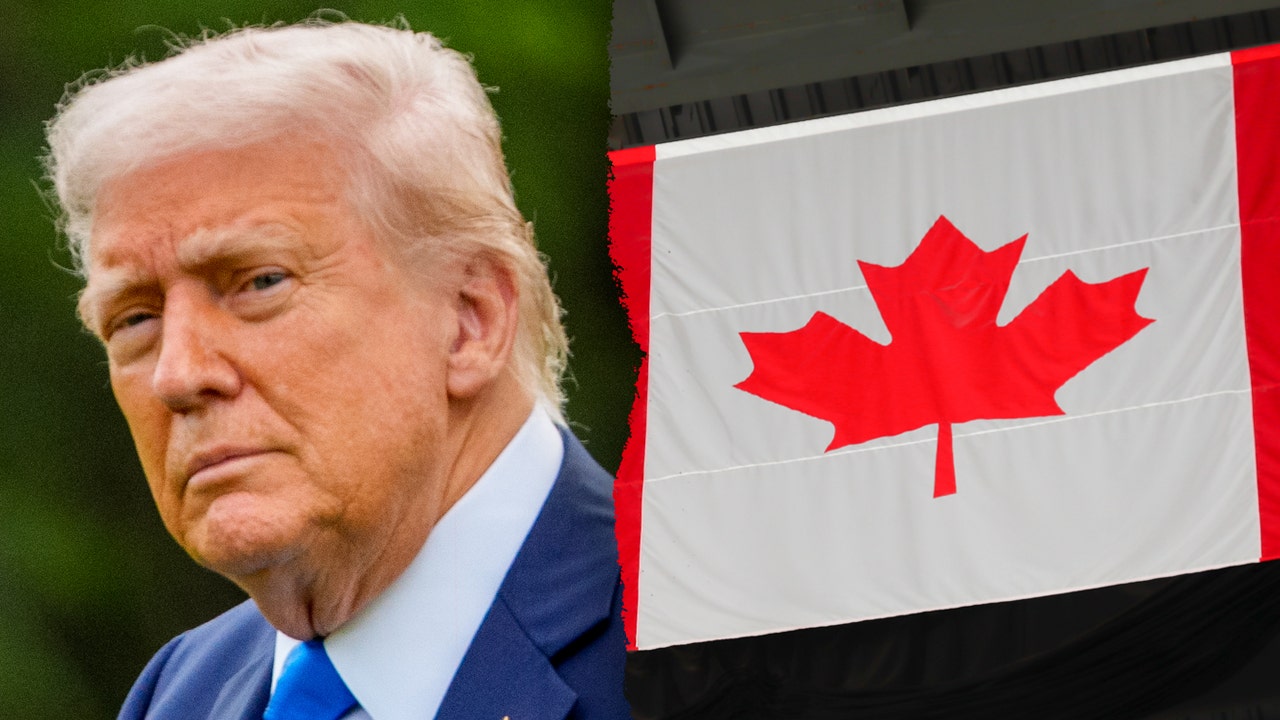
President Donald Trump has thrown a fresh curveball into global trade, announcing on Truth Social that the United States is working on a 'massive' deal to buy potash from Belarus at prices 'substantially less' than what it currently pays Canada. This unexpected pivot, framed as a win for American farmers, escalates an already simmering trade dispute with long-term ally Canada, and raises significant geopolitical questions given Belarus close ties to Russia. The move directly contradicts statements from Belarusian President Alexander Lukashenko, who claims his country has no potash volumes available for Western markets. The United States relies heavily on potash, a key fertilizer ingredient, with Canada supplying the vast majority—around 79-85% of imports in recent years. Trump's announcement comes amid an ongoing trade war with Canada, which has seen both nations impose retaliatory tariffs, though Canadian potash has largely been exempt. Meanwhile, Washington has been quietly thawing relations with Belarus, even lifting some sanctions in December 2025 in exchange for the release of political prisoners, despite Minsk's continued repression of dissidents and its role in supporting Russia's 2022 invasion of Ukraine. However, Canadian officials like Saskatchewan Premier Scott Moe question the ethics and logistics, pointing out that Belarusian potash would likely need to transit through Russian ports, and Belarusian opposition leader Sviatlana Tsikhanouskaya warns that any revenue could fuel Minsk's authoritarian regime. The proposed deal, if it ever materializes given Lukashenko's current stance, could significantly reshuffle global potash trade flows and put downward pressure on prices, impacting major Canadian producers. The immediate challenge lies in navigating existing EU sanctions against Belarusian potash and securing transit routes for a landlocked country whose exports are largely already contracted to Asian markets. Observers will be watching closely to see if this is a genuine policy shift, a negotiation tactic in the Canada trade war, or another rhetorical salvo from the President. The market reacted swiftly, with shares of major potash miners already seeing declines.