Trump hails historic US-Iran peace deal to reopen Strait of Hormuz
Context mode is active. Hover over any highlighted term to see its definition. Click a nested term to go deeper.
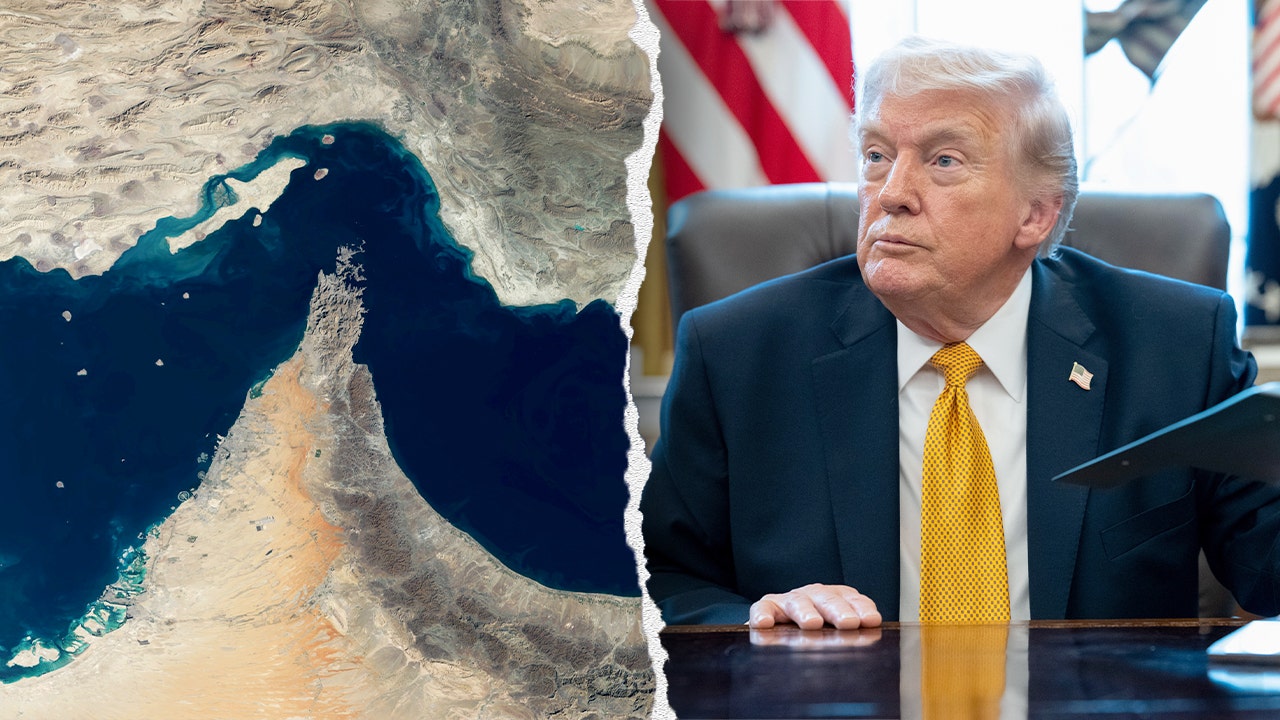
A monumental US-Iran peace deal, brokered by Pakistan, has been hailed by former President Donald Trump as a historic breakthrough for West Asia, promising the immediate reopening of the crucial Strait of Hormuz. This preliminary agreement, structured as a Memorandum of Understanding, aims to terminate the intense 2026 Iran war which began in February and has since ravaged the region, with Iran confirming the deal but stipulating conditions for subsequent negotiations. The stakes couldn't be higher: the Strait of Hormuz, a vital chokepoint for a fifth of global oil supplies, has been effectively closed to commercial traffic, driving unprecedented volatility in global oil prices and prompting a scramble for alternative shipping routes and energy sources for months. While Trump declared an immediate, 'toll-free' reopening and the lifting of the US naval blockade, Tehran's cautious response emphasizes verifying US commitments to ending hostilities, lifting sanctions, and releasing frozen assets before a 60-day negotiation period begins for a final accord. Regional reactions are already starkly divided, with Israel Prime Minister Benjamin Netanyahu quickly disavowing any obligation to the deal's provisions regarding military operations in Lebanon, signaling potential fault lines even before the ink dries. The formal signing of this interim agreement is slated for Friday, June 19, in Switzerland, a critical juncture where details of Iran's nuclear program and the phased lifting of sanctions are expected to be addressed in further technical talks. However, maritime industry experts remain wary, stressing that practical reopening of the Strait will require extensive mine-clearing operations and clear assurances on security, suggesting a full return to pre-war shipping levels could take weeks or even months. The immediate market response saw crude oil prices tumble by as much as 5%, even as hardliners in Tehran and hawkish elements in Washington scrutinize the fragile contours of this unexpected diplomatic overture.