Trump-Putin Diesel Deal Shakes Markets Amid Ukraine War, Iran Tensions
Context mode is active. Hover over any highlighted term to see its definition. Click a nested term to go deeper.
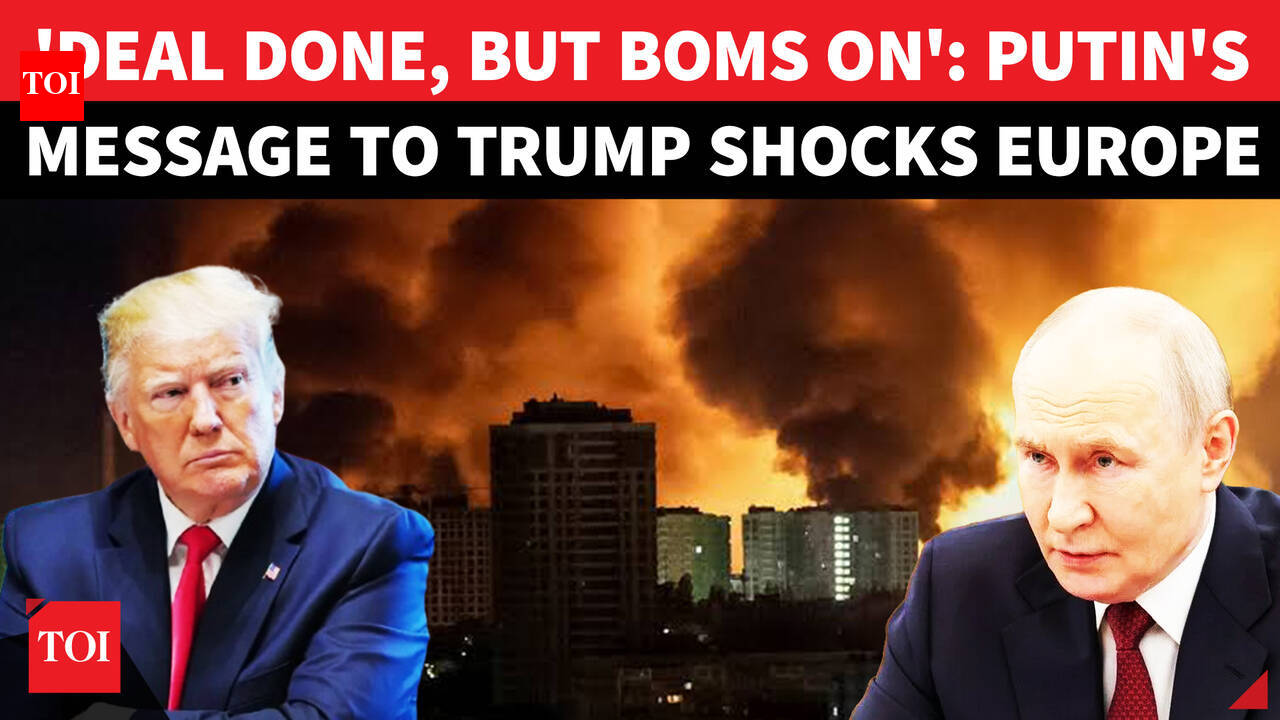
In a move that's certainly raising eyebrows across global capitals, US President Donald Trump announced a significant phone call with Russian President Vladimir Putin on October 9, 2026, revealing Russia's surprising agreement to supply the US and global markets with millions of tons of diesel fuel. This sudden energy deal comes amidst a heated US midterm election season and against the backdrop of ongoing wars in Ukraine and Iran, immediately triggering both relief in some energy circles and sharp condemnation from Kyiv. The US Treasury Department quickly followed by temporarily lifting sanctions on Russian diesel, a policy pivot aiming to ease skyrocketing fuel prices. This unexpected cooperation on energy directly clashes with the prevailing geopolitical landscape. Just as Ukrainian President Volodymyr Zelenskyy denounced the deal as a 'gift to Putin' that would bankroll Russia's aggression, Russian forces launched deadly strikes in Ukraine's Zaporizhzhia region, killing at least 15 people. The Ukraine War, now in its fifth year, remains a brutal stalemate, with US-mediated peace talks stalled and Putin citing recent Ukrainian drone attacks as a barrier to resumption. Simultaneously, the Middle East is gripped by the 2026 Iran War, which has seen the critical Strait of Hormuz largely closed and Brent crude prices surge past $100 per barrel, fueling global energy anxieties. Compounding concerns, recent satellite imagery shows renewed activity at Iran's Minzadayi Compound, a site linked to alleged nuclear weapons development. With the US midterm elections less than a month away, Trump's gambit on Russian diesel is a clear play to address voter frustration over high energy costs, despite analysts' skepticism about its long-term impact. The temporary sanctions waiver expires in April 2027, setting up a potential future standoff. The broader question remains whether this energy diplomacy signals a shift in Washington's approach to Moscow, or if it's a short-term measure to manage domestic political pressures. Observers will be watching for any further implications on peace efforts in Ukraine and the escalating tensions surrounding Iran's nuclear ambitions.