Trump Reportedly Rejects Iran's Seven-Day Plan to Reopen Critical Hormuz Strait
Context mode is active. Hover over any highlighted term to see its definition. Click a nested term to go deeper.
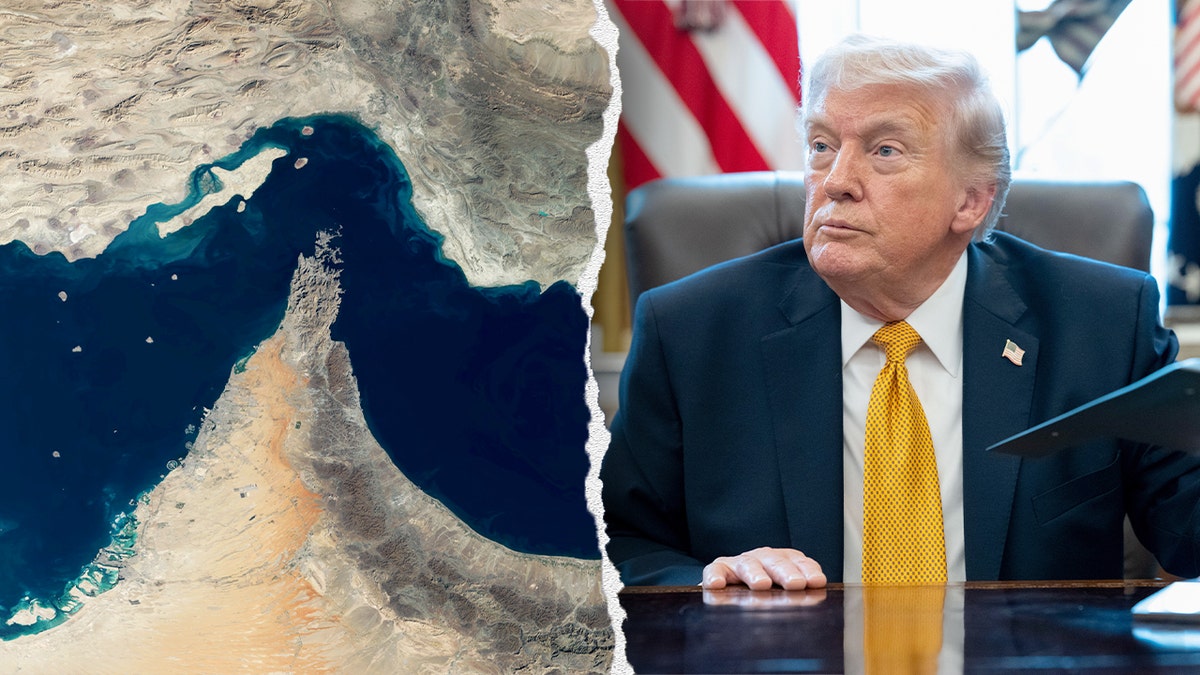
Iran just put a high-stakes offer on the table: reopen the crucial Strait of Hormuz within seven days if the U.S. agrees to a peace plan. But here's the kicker – President Donald Trump has reportedly shut it down, signaling he's 'skeptical' and might even restart bombing campaigns after the November U.S. midterm elections. This comes amidst an ongoing '2026 Iran War' that has already choked global crude oil supplies and sent energy prices soaring. This isn't just about one waterway; the Strait of Hormuz is a critical chokepoint through which about 20% of the world's crude oil and a significant chunk of liquefied natural gas normally pass. The Strait has been largely blocked by Iran since February 2026, a direct response to U.S. and Israeli air strikes. Washington then tightened the screws with a naval blockade on Iranian ports, further escalating the conflict and cutting off Iran vital oil exports, despite a previous Memorandum of Understanding in June that aimed for de-escalation. Iran Foreign Minister Abbas Araghchi laid out clear conditions: lift the U.S. naval blockade, waive sanctions on Iranian oil, and ensure a ceasefire, even extending to Lebanon. While some U.S. officials hinted at 'positive' talks, Trump's reported rejection pours cold water on hopes for a quick resolution. With the U.S. keen to maintain its leverage, especially with millions of barrels of crude oil recently transiting under escort, the immediate future remains tense and uncertain, making the upcoming U.S. midterm elections a pivotal watch point for any shift in strategy.