Trump says he’ll sign deal with Iran to reopen Hormuz Sunday
Context mode is active. Hover over any highlighted term to see its definition. Click a nested term to go deeper.
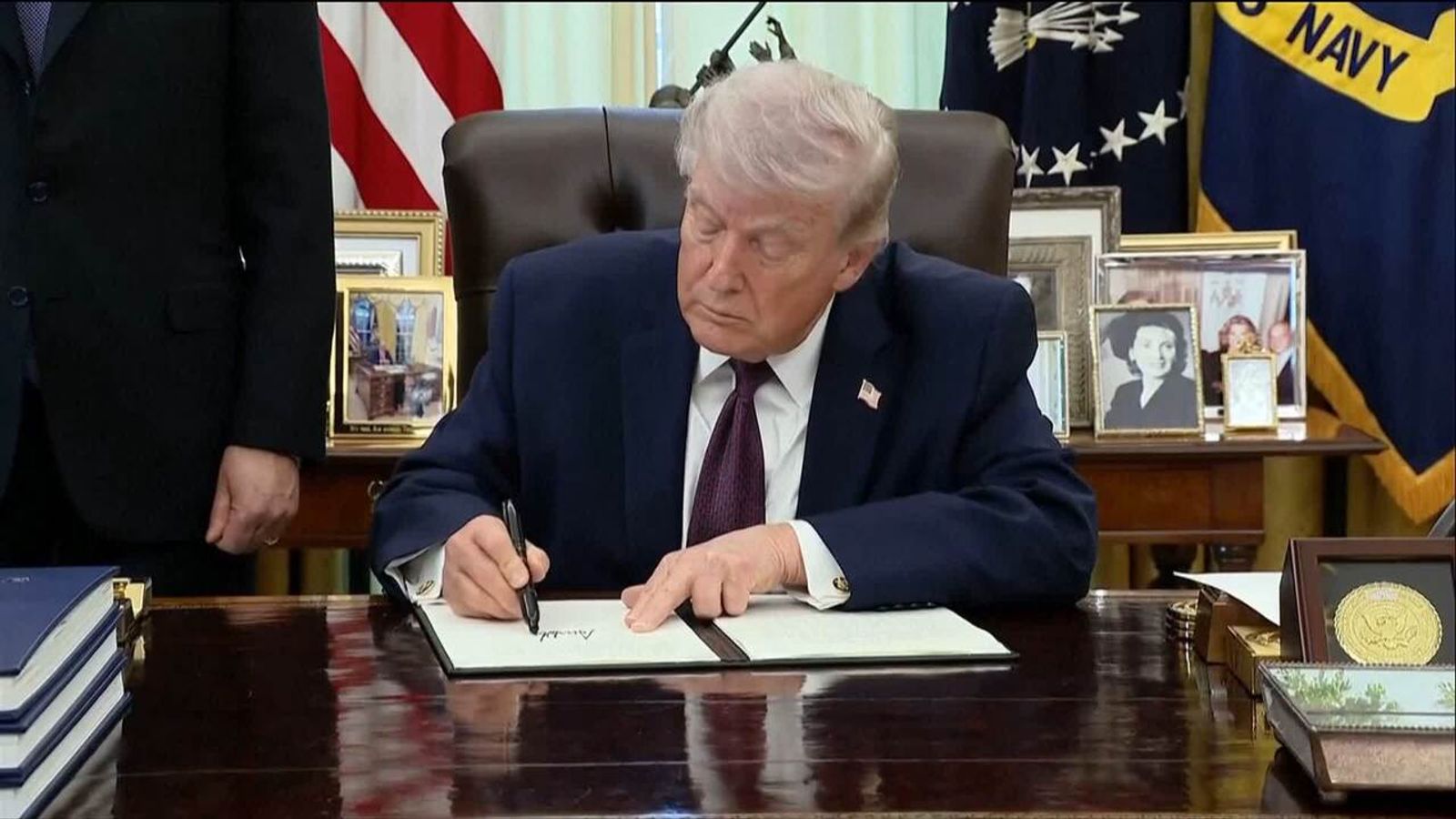
Donald Trump has, once again, declared he will sign an agreement with Iran this Sunday to reopen the critically important Strait of Hormuz and bring an end to the war that began in February. This assertive claim, disseminated via his Truth Social platform just hours before the proposed signing, is met with immediate skepticism, given his well-documented history of similar pronouncements that have yet to materialize. The stakes surrounding any potential U.S.-Iran rapprochement, particularly concerning the world's most vital oil transit chokepoint, are immense, especially as the 2026 Iran war has effectively shut down the Strait of Hormuz, causing significant global oil supply disruptions and price hikes since late February. While Pakistan, a key mediator, suggested a framework deal was imminent for an electronic signing, Iran Foreign Ministry quickly contradicted Trump, stating no signing would occur Sunday, though not ruling out a deal in the 'coming days'. The conflict, ignited by US-Israeli airstrikes and Iranian retaliation, has pushed Brent crude prices above $100 per barrel, further emphasizing the global economic fallout of this protracted Middle East Conflict. As Sunday dawns, global markets and diplomatic observers will be scrutinizing every move, anticipating either an improbable diplomatic breakthrough or, more likely, another chapter in the enduring U.S.-Iran diplomatic stalemate. The immediate aftermath will reveal if Trump's latest declaration is a precursor to tangible de-escalation or merely another instance of high-stakes rhetoric. Should this deal fail to materialize, further volatility in Crude Oil Prices and increased geopolitical instability across the Persian Gulf region are almost certainly on the horizon.