Trump Ties Saudi Nuclear Deal to Israel Peace, Shaking Middle East Diplomacy
Context mode is active. Hover over any highlighted term to see its definition. Click a nested term to go deeper.
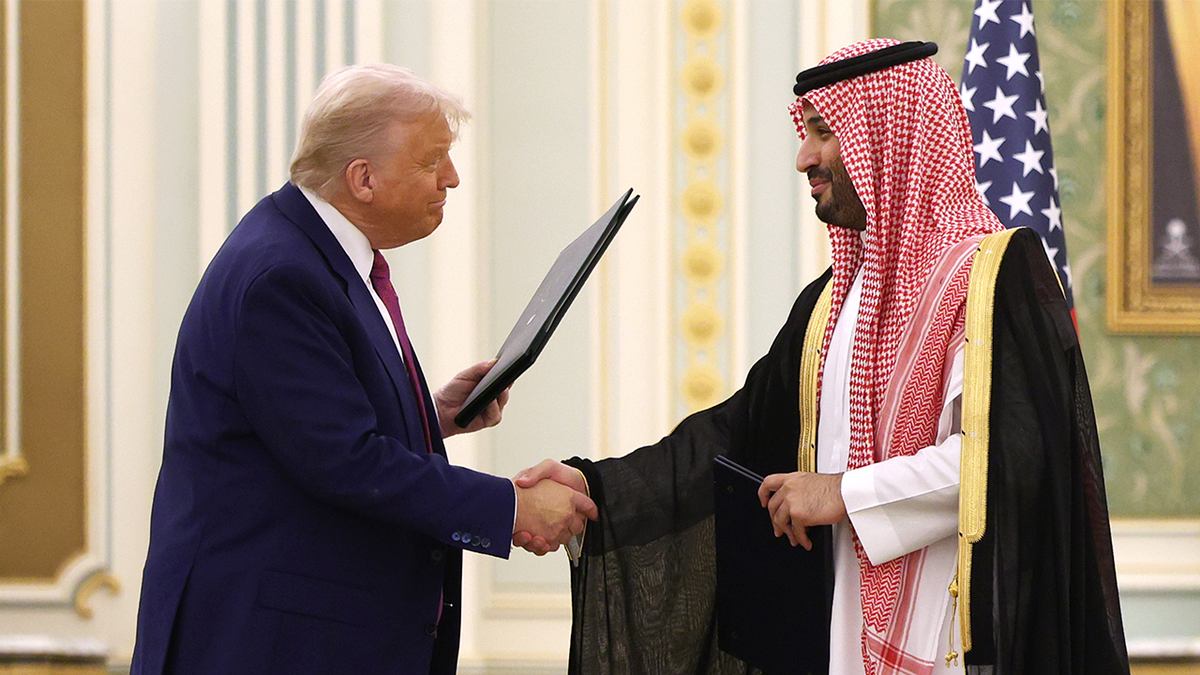
US President Donald Trump has dramatically conditioned a new civilian nuclear cooperation agreement with Saudi Arabia on the Kingdom formally normalizing ties with Israel, a move that has immediately reshaped high-stakes diplomacy in the Middle East. This unexpected demand, made public just a day after the nuclear deal's initial signing, puts immense pressure on Saudi Crown Prince Mohammed bin Salman and offers Israeli Prime Minister Benjamin Netanyahu a significant, albeit complex, diplomatic opportunity ahead of his country's October parliamentary elections. The announcement highlights Trump's continued push to expand the Abraham Accords and signals a major shift in the US approach to regional stability. The development unfolds amidst a complex regional backdrop, including the ongoing war with Iran involving both the US and Israel, which has seen Saudi Arabia and other Gulf states drawn into the conflict. While Netanyahu has enthusiastically welcomed the prospect of Saudi normalization, hoping to secure his political future, Saudi Arabia has consistently stated that a resolution to the Israeli-Palestinian conflict, specifically the establishment of a Palestinian state, is a prerequisite for any full diplomatic recognition of Israel. The newly conditioned nuclear deal, which critics fear could open pathways for uranium enrichment despite Trump's assurances, now forces Riyadh to weigh its strategic energy ambitions against a long-standing core principle and domestic public opinion that has soured on Israel since the 2023 Israel-Hamas War. All eyes are now on Riyadh's official response to Trump's retroactive condition, as well as on Netanyahu's upcoming visit to Washington to coordinate further. The decision could either pave the way for a historic expansion of the Abraham Accords and a recalibration of regional alliances against Iran, or it could plunge the US-Saudi nuclear deal into uncertainty, potentially pushing Saudi Arabia to seek nuclear cooperation from alternative partners like China or Russia. With Israel's elections looming, the coming weeks will reveal whether this bold diplomatic gamble fosters a 'new Middle East' or exacerbates existing tensions.