Trump Unleashes Midterm Strategy: Immigration Crackdown Meets China's Rare Earth Play
Context mode is active. Hover over any highlighted term to see its definition. Click a nested term to go deeper.
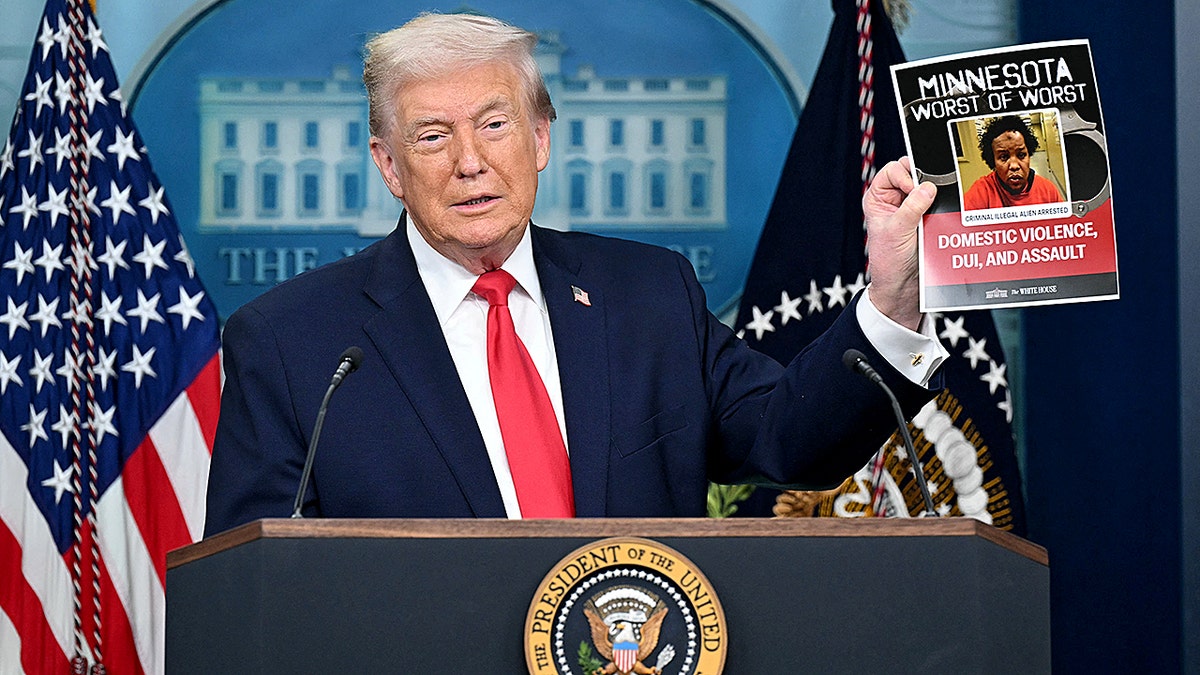
President Donald Trump is orchestrating a high-stakes Republican fightback ahead of the November 2026 midterm elections, intertwining aggressive domestic immigration enforcement with a simmering global resource war against China. At the heart of this strategy, insights from former DHS spokeswoman Katie Zacharia highlight Trump's conviction that these moves are calculated power plays, aimed at securing both political ground at home and strategic leverage abroad. With just months to go until the polls, the President is nationalizing the midterms, positioning them as a critical referendum on his second term agenda. The political landscape is already feeling the tremors. On the immigration front, the Trump administration recently moved to halt processing at international airports in 'Sanctuary Cities' and significantly tightened 'Adjustment of Status' rules, pushing most green card applicants to apply from outside the US. These federal actions come as states like Virginia and New Mexico challenge expanded enforcement powers from laws like the 'Laken Riley Act', which mandates detention for undocumented immigrants charged with certain crimes. Simultaneously, the 'resource war' with China over 'Rare Earth Minerals' has escalated sharply, with Beijing blacklisting US rare earth companies like MP Materials and USA Rare Earth in June 2026, ending a brief truce. China's tightening export controls, which affect global supply chains for critical defense and tech materials, are a direct response to US efforts to secure its own 'Critical Minerals' supply. Domestically, Republicans are also doubling down on branding Democrats as embracing 'Democratic Socialism', a rhetorical strategy aimed at mobilizing their base following a surge of progressive primary wins in New York. As the midterms approach, expect this dual-front battle to intensify. The administration's moves on immigration are likely to face further legal challenges and pushback from states, while the US-China 'Critical Minerals' rivalry shows no signs of easing, especially with a key trade deal expiring later this year. The outcome of these elections will not only shape the remainder of Trump's presidency but also significantly impact global supply chains and the future of US foreign policy. Voters are being asked to choose not just between parties, but between deeply contrasting visions of America's domestic priorities and its place in a fiercely competitive world.