Trump Unveils China Election Interference Claims Amidst Escalating Iran Strikes and AI Race
Context mode is active. Hover over any highlighted term to see its definition. Click a nested term to go deeper.
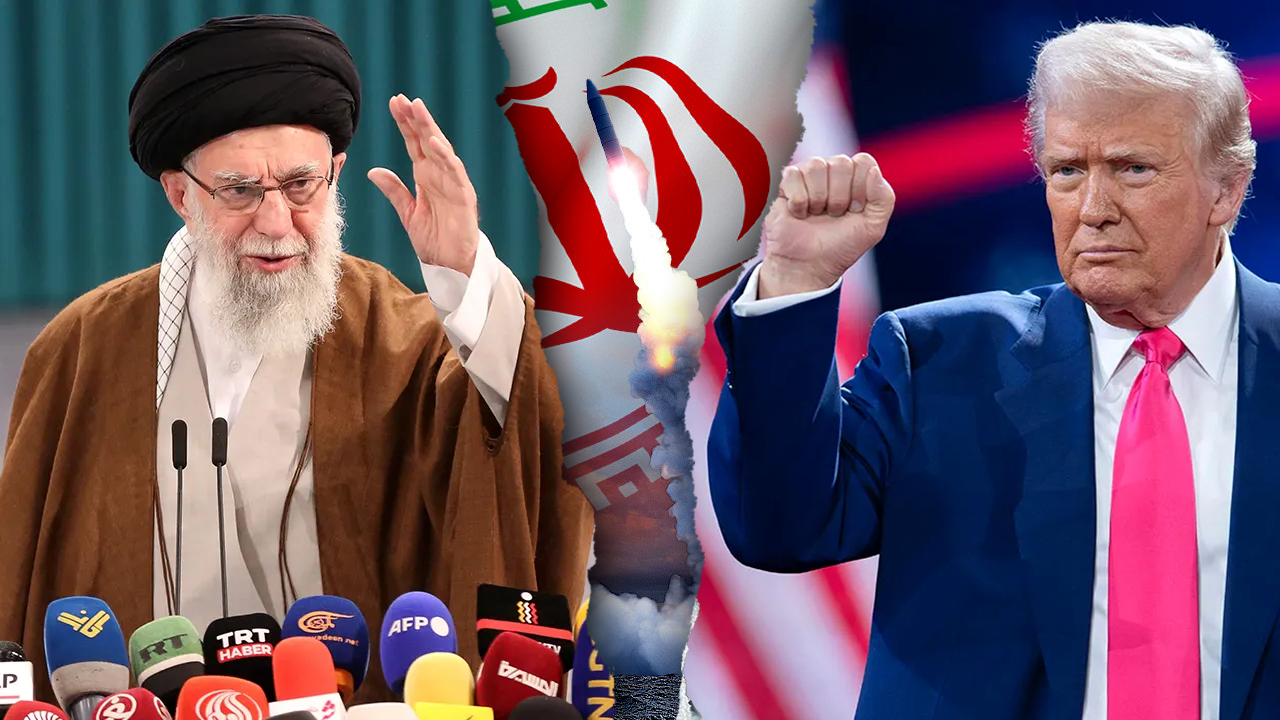
President Donald Trump dropped a political bombshell this week, publicly releasing declassified documents he claims reveal China's 'largest compromise of election data in history' from the 2020 election, an accusation he links directly to a 'deep state' cover-up. This dramatic announcement, made during a primetime address on July 16, 2026, comes as the US is engaged in its seventh consecutive night of military strikes against Iran over control of the critical Strait of Hormuz, intensifying global tensions. Simultaneously, the heated rhetoric extends to Capitol Hill, where Senator John Fetterman is sharply clashing with Vice President JD Vance over allegations concerning Israel's role in undermining Iran peace efforts. The President's latest move on Chinese election interference—claiming the theft of 220 million US voter files—reignites long-standing debates about election integrity and has drawn immediate skepticism from critics who point to a lack of concrete evidence for vote manipulation. This political maneuver unfolds against a backdrop of the accelerating US-China AI race, where Beijing's state-backed 'AI Plus initiative' and open-source strategy are challenging America's push for global AI dominance through its own executive orders and national policy frameworks. The escalating conflict with Iran, involving US Central Command strikes aimed at degrading Iranian military capabilities in response to threats to commercial shipping, adds another layer of international instability. With these narratives converging, the coming weeks will likely see sustained political fallout from Trump's declassification claims, potentially influencing legislative efforts like the SAVE America Act and fueling partisan divides. Meanwhile, the military standoff in the Strait of Hormuz demands close observation for any de-escalation or further intensification, which could have significant global economic repercussions. The broader geopolitical contest, particularly in AI development and influence, will continue to shape the strategic landscape, requiring careful navigation from both Washington and Beijing. The Fetterman-Vance dispute highlights how these international issues are now deeply intertwined with domestic political battles, adding volatility to an already complex global stage.