Trump Vows Continued Iran Strikes as Hormuz Tensions Ignite New Global Fears
Context mode is active. Hover over any highlighted term to see its definition. Click a nested term to go deeper.
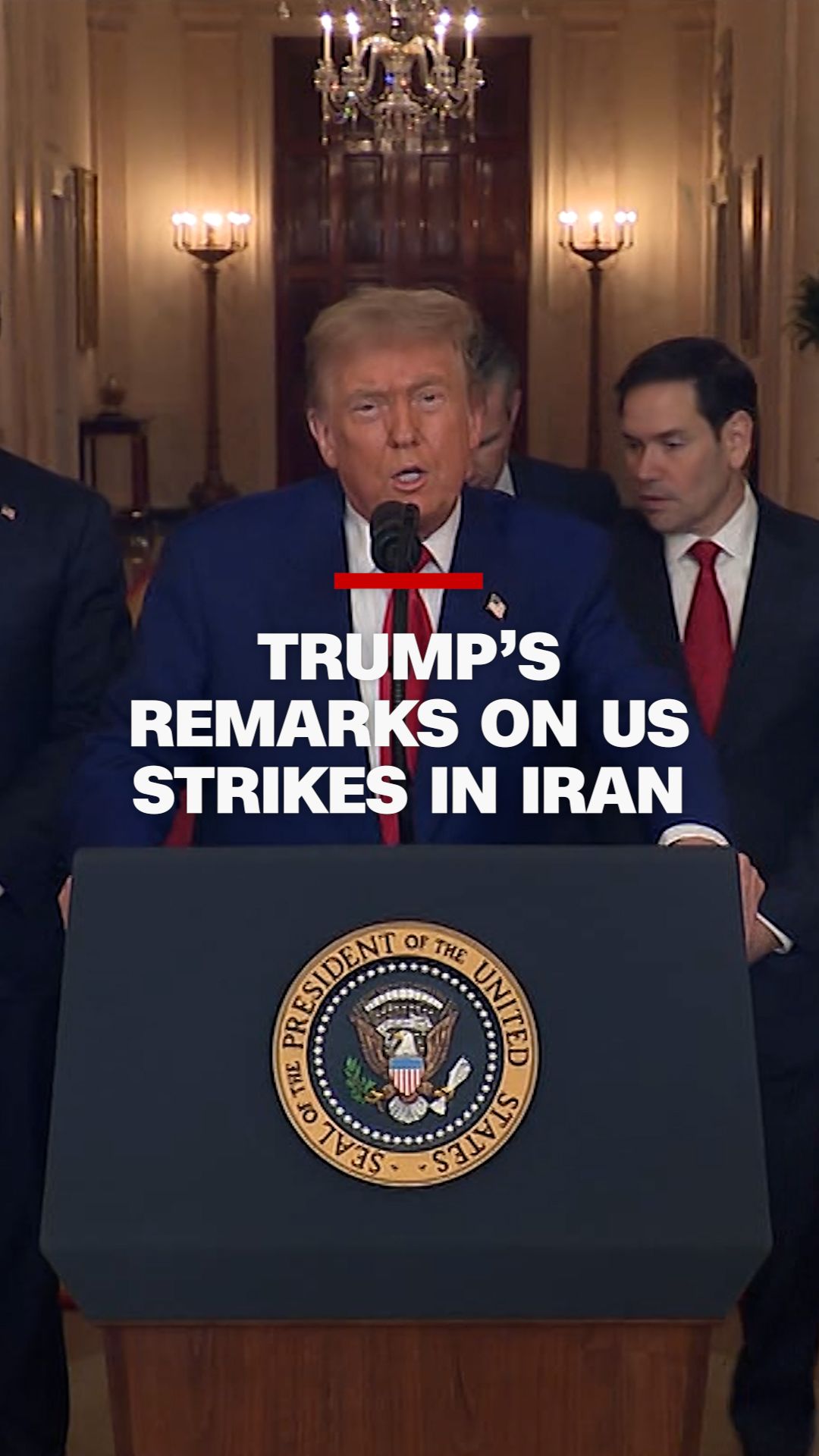
President Donald Trump declared that military strikes against Iran will continue 'until I say it's enough,' in a recent interview with Fox News Channel Trey Yingst. This firm stance comes as the US has launched fresh waves of strikes this week against Iranian coastal defenses and missile sites, following the collapse of a fragile truce and Iran renewed attacks on commercial shipping in the critical Strait of Hormuz. The ongoing conflict has intensified dramatically, bringing the region to a dangerous precipice just days after an interim ceasefire agreement failed. The current escalation is part of a broader, months-long '2026 Iran war' that began on February 28, 2026, with joint US-Israeli airstrikes targeting Iranian military infrastructure and leadership, including Supreme Leader Ali Khamenei. A key flashpoint remains the Strait of Hormuz, where Iran has largely blocked shipping since the war's onset, and US forces recently reimposed a naval blockade on Iranian ports to ensure safe passage. International concern is also mounting over Iran nuclear program, with the International Atomic Energy Agency having lost clear oversight following the February attacks and Iran termination of the Joint Comprehensive Plan of Action in October 2025. Iran use of various proxy groups across the Middle East further complicates the already volatile situation. With both sides trading blows and analysts warning of an 'existential war,' the immediate future promises continued uncertainty and high risks for global energy markets and regional stability. Shipping companies are already showing reluctance to use US military-guided transits through the Strait of Hormuz due to safety concerns, pushing Brent crude oil prices to a one-month high. All eyes are now on whether any diplomatic off-ramps can be found, or if President Trump's declared resolve will lead to even wider and more devastating confrontations, with potentially severe humanitarian and economic consequences globally.